
 DHA is one of the omega-3 fatty acids that nutritionists implore us to eat. Why are grilled salmon and canned tuna part of nearly every diet and nutrition plan? Fatty fish is just one good source of DHA and other crucial nutrients. Find out how omega-3 fatty acids reduce chronic inflammation and help prevent diseases such as macular degeneration (ARMD), glaucoma, and diabetes. Pregnant people need omega-3’s to help the fetus develop. How much omega-3 fatty acids should you eat? And how do you balance them with omega-6 fatty acids, found in refined foods and certain meats? Continue reading “DHA is a Crucial Omega-3 Fatty Acid”
Category: Glaucoma
Physical Exercise Reduces Eye Disease and Dementia
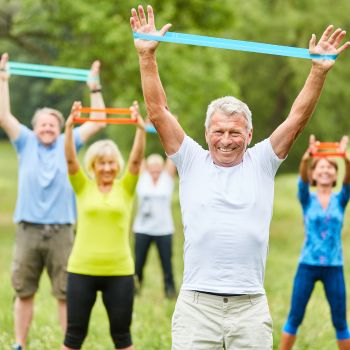 Physical exercise is vital for eye health and overall health. Research shows the positive impacts of exercise on common eye conditions. What is the intricate relationship between exercise and eye health? Can regular physical activity reduce the risk of age-related eye diseases? What role does nutrition play? And, can physical exercise help stave off neurological disease, heart disease, and other chronic illnesses associated with aging? At Natural Eye Care, we want to support you with knowledge and practical tips for getting the exercise you need. Continue reading “Physical Exercise Reduces Eye Disease and Dementia”
Eye Studies Reveal Natural Eye Care Effectiveness
 At Natural Eye Care, we view vision health from a whole-body perspective. Eye studies can reveal how to manage the visual system. However, the health of the eyes is connected to overall health. The visual system requires as much as 25% of the nutrients we take into our bodies. The brain needs even more. How we take care of ourselves goes a long way in helping to preserve healthy vision. Personal care includes emotional balance, and lifestyle considerations such as eating a healthy diet, exercising regularly, and targeted supplementation. Continue reading “Eye Studies Reveal Natural Eye Care Effectiveness”
Why Avoid Myopia? How to Reduce the Risk of Nearsightedness
 Myopia is one of the main reasons people start wearing glasses when they are young. Far objects are blurry, and close-up objects are clear when you are nearsighted or myopic. Did you know that lifestyle and daily habits can have a big impact on the development of myopia? Reducing the risk of myopia in children and teens is essential because this eye condition can lead to more serious eye problems. For example, it increases the risk of retinal detachment, glaucoma, and cataracts. Myopia can also strike adults. Avoiding corrective lenses entirely should be enough motivation to head off the problem. What can you do to help yourself and your family? Continue reading “Why Avoid Myopia? How to Reduce the Risk of Nearsightedness”
NMN (Nicotinamide Mononucleotide): The New Anti-Aging Nutrient?
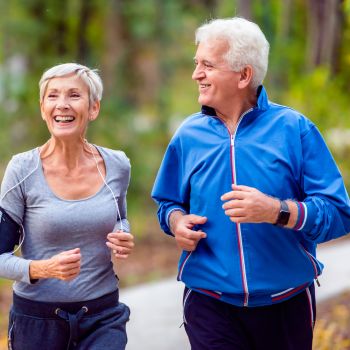 Is it possible that NMN – nicotinamide mononucleotide – is an anti-aging nutrient? This chemical occurs naturally in the body, but levels drop in seniors. Researchers are finding that taking NMN supplements appears to have benefits. How does NMN work? What does it do? And, could seniors slow down the aging process by taking it?
Continue reading “NMN (Nicotinamide Mononucleotide): The New Anti-Aging Nutrient?”
Sleep Is Fundamental for the Eyes, Brain and Overall Health
 Getting enough sleep is crucial to your daily life and long-term health. However, many seniors struggle to get sufficient sleep. They also may have difficulty with the quality of sleep. What do the statistics show? How bad is sleep deprivation for your health? And what are some natural solutions?
Shocking Sleep Statistics
Sleep comes naturally. So why do we see these shocking sleep statistics? Continue reading “Sleep Is Fundamental for the Eyes, Brain and Overall Health”
Alzheimer’s Disease, Glaucoma and Macular Degeneration: New Research
 New research studies have found strong relationships between lifestyle and the aging brain. How can you help prevent or delay Alzheimer’s Disease and other forms of dementia? The eye’s retina is brain tissue. Not surprisingly, researchers have found connections between Alzheimer’s Disease, glaucoma, and lifestyle. What does the new research show? Are nutrition, supplements, exercise, and smoking avoidance shown to help?
What Are The Chances?
By the age of 65, 10% of seniors have Alzheimer’s Disease. Every five years, the risk doubles. Instead of waiting for any type of dementia to strike, you can take steps right now!
Alzheimer’s Disease is a complex brain disease. Amyloid-beta plaque builds up in the brain. Early symptoms include memory loss, impaired judgment, disorientation, losing items, and personality changes. Later, the brain is fully impaired, resulting in the need for caregivers. Multiple systems in the brain break down, including: Continue reading “Alzheimer’s Disease, Glaucoma and Macular Degeneration: New Research”
Taurine: An Amino Acid Crucial for Health and Aging
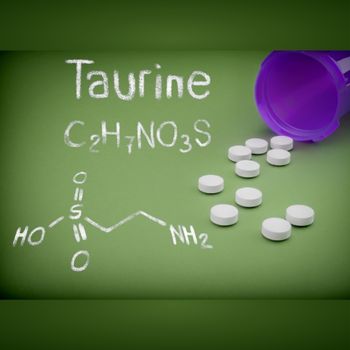 Taurine is an amino acid that your body manufactures and obtains from food. Crucial to health, taurine has many benefits for the eyes, heart, and brain. It is also an antioxidant that reduces inflammation and bad cholesterol levels. However, seniors often have taurine levels that are 80% lower than younger people.[1. Ito T, Yoshikawa N, Inui T, et al. Tissue depletion of taurine accelerates skeletal muscle senescence and leads to early death in mice. PLoS One. 2014;9(9):e107409] [2. Singh P, Gollapalli K, Mangiola S, et al. Taurine deficiency as a driver of aging. Science. 2023 Jun 9;380(6649):eabn9257.]
Night vision, eye health, cardiovascular fitness, brain health, the gastrointestinal system, immunity, bones, and diabetes are all linked to taurine.[3. Ibid. Science. 2023 Jun 9;380(6649):eabn9257] This article covers the benefits of this amino acid and how to check your taurine levels. It also discusses ways to get extra taurine if needed. Continue reading “Taurine: An Amino Acid Crucial for Health and Aging”
How Your Gut Health Affects Your Eye Health
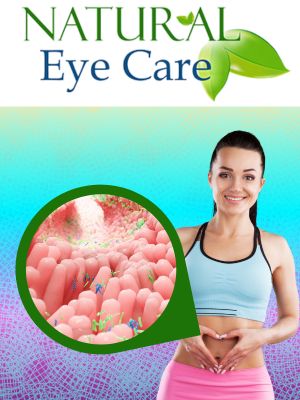 The digestive tract is filled with over 100 trillion microorganisms, many of which are needed for gut health — and good health.[1. Thursby E, Juge N. Introduction to the human gut microbiota. Biochem J. 2017;474(11):1823–1836] The gut flora, as they are called, has a similar function to that of other organs in the body.[2. O’Hara AM, Shanahan F. The gut flora as a forgotten organ. EMBO Rep. 2006;7(7):688–693] The intestinal microorganisms are their own environment. This environment aids the body’s immune system and helps keep you healthy.[3. Vrancken G, Gregory AC, Huys GRB, et al.. Synthetic ecology of the human gut microbiota. Nat Rev Microbiol. 2019;17(12):754–763]
The health of the eyes depends upon the health of these gut microorganisms. Age-related Macular Degeneration (AMD) and dry eye disease (DED) are impacted by inflammation in the gut. Continue reading “How Your Gut Health Affects Your Eye Health”
Vision Self-Empowerment in a New Age
What Harms Eyesight?

Our eyes are constantly exposed to the external environment with frequent excess exposure to UVA/UVB light. Natural exposure to the sun is exacerbated by blue light exposure from mobile phones, E-readers, handheld gaming electronics, TV, computer monitors, and fluorescent and LED lighting.
In addition to blue/UV light, our long hours on computers and mobile phones cause stress on our visual system. Physical and visual fatigue reduces the free flow of energy and circulation to the eyes, often accompanied by muscle tension in the neck, shoulders, and lower back.
The combination of the above and the effects of a poor diet, lack of essential nutrients, chronic stress, and health conditions such as chronic inflammatory conditions can result in progressive and sometimes irreversible vision loss. Sight loss may include pathologies such as cataracts, ocular atrophy, corneal opacity, age-related macular degeneration, uncorrected refractive error, posterior capsular opacification, uveitis, glaucoma, diabetic retinopathy, retinal detachment, undetermined disease, and other disorders involving oxidative stress and inflammation. Continue reading “Vision Self-Empowerment in a New Age”