
 The sun represents a potential threat to the eyes. Overexposure to sunlight can cause an increased risk of cataracts, cancer of the lids of the eyes, and even cornea burns. It is important to prevent eye disease and injury caused by UV radiation and sunlight.
Dr. George Cioffi is the chief of ophthalmology at New York-Presbyterian Hospital/Columbia University Medical Center. He points out that people at elevated risk of eye damage from the sun include cataract surgery patients, people with light colored eyes, patients who have disorders of the retina, and patients whose medications cause sensitivity to light.
Continue reading “How Too Much Sun Can Cause Cancer and Harm Eyes”
 As people age, eye diseases and conditions that commonly occur include macular degeneration, cataracts, vitreous tears/retinal tears and detachments, glaucoma, diabetic retinopathy, dry eyes, and eye floaters.
 The obesity epidemic may have an impact on the health of the eyes. While scientific studies do not seem to have found a direct link between obesity and eye disease, maintaining a healthy weight supports your overall health and helps prevent diseases that can harm the eyes. Here’s why.
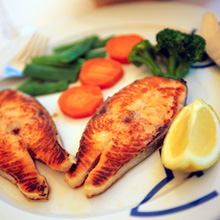 A breakthrough laboratory study has found that DHA, an Omega 3 fatty acid, prevented Age-Related Macular Degeneration (ARMD).
 A pilot study published in Phytotherapy Research compared curcumin – derived from natural turmeric – with the drug diclofenac for treating rheumatoid arthritis (RA). Natural curcumin actually reduced RA symptoms even better than the RA drug diclofenac: a 44% reduction in symptoms on the Disease Activity Score and the American College of Rheumatology criteria for reduction of swelling and tenderness of joins. Patients receiving diclofenac had a 42% reduction.
 A research study published in Archives of Ophthalmology showed that ingesting omega-3 fatty acids and fish affects the incidence of AMD (age-related macular degeneration, or ARMD) in women. This large study (nearly 40,000 participants) over 10 years found that women who had the highest of intake of Docosahexaenoic acid (DHA, an omega-3 fatty acid) had the lowest risk of AMD versus subjects with the lowest intake. Women who ate at least one serving of fish per week had a relative risk of AMD of 0.58 compared with women who ate less than one serving per month.
 A recent UK research study shows that 40% of all cancers are caused by avoidable lifestyle considerations, such as diet, excess weight, smoking, and/or alcohol consumption. Tobacco use was shown to cause the most cancers.
 The macular pigment of the eye is formed by a combination of lutein and zeaxanthin. Lutein is more than just a filter of blue light and an antioxidant. Consider these points about lutein:
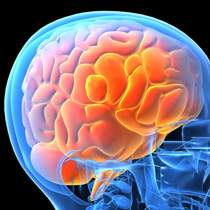 Is it possible to prevent or mitigate Alzheimer’s disease through supplementation? Researchers are looking at magnesium’s role in protecting the aging brain from the ravages of Alzheimer’s disease. A new, highly absorbent foam type of magnesium-L-threonate (MgT) concentrates in the brain and restores the types of brain deterioration found in Alzheimer’s disease and other types of memory loss. Experimental models predict improvement in both short-term memory and long-term memory.
 There is no cure for the degenerative brain disease called Alzheimer’s, and current conventional treatments have a limited effect. However, research into a drug used to treat skin cancer may show “stunning” potential to help with Alzheimer’s disease.