
 A fruit cup of mixed berries is a powerful snack: deeply colored fruits are filled with flavonoids and other antioxidants that help protect the body from disease. Antioxidants help prevent free-radical damage, which is believed to be responsible for the onset of eye diseases such as cataracts and macular degeneration.
The colored flavonoids found in berries are called “anthocyanins”. These water-soluble pigments make plants shades of red, purple and blue. Berries also contain flavonoids called “quercetin” and “apigenin”. In the field or in the wild, these flavonoids help protect the plant from pests and insects.
Continue reading “Flavonoids in Deeply Colored Berries Protect People From Disease”
 Diminished vitamin D levels may be linked to the spread of the flu. Research found that nonpandemic influenzas occur primarily in temperate regions and in winter when the skin’s vitamin D formation due to sun exposure is low. Influenza seasonality is seldom observed in tropical regions.
 A significant study has found that the deleterious effects of traumatic brain injury in American football players can be mitigated using a natural regimen of weight loss (if needed), fish oil, vitamins, and brain-enhancing supplements including ginkgo biloba. The positive results could help reverse brain damage in contact sport athletes, alcohol and drug addicts, chronic traumatic encephalopathy (CTE) and people who have had brain damage from concussions.
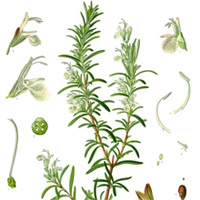 A chemical that occurs naturally in the common herb rosemary has been found to protect the eye from macular degeneration and other eye diseases. This study, published in Investigative Ophthalmology and Visual Science, is one of many recent investigations into the anti-inflammatory and antioxidant effects of the active ingredients in medicinal herbs. The compound in Rosemary is called “carnosic acid.”
 The developing pre-natal eye requires light that passes through the body and into the womb, according to recent animal research. Mice that had no access to light during pregnancy gave birth to offspring whose eyes were not developed correctly. This indicated that small amounts of light are necessary, during gestation, to control eye blood vessel growth.
 Vitamin D
 There have not been any reported cases so far of eye infection in eye surgery patients who received medications from the New England Compounding Pharmacy (NECC); however, other types of patients have contracted fungal meningitis. Several NECC products were recalled after patients receiving drug injections for back pain became ill. More than 400 people in 15 states developed fungal infections that have been traced to products from NECC, and more than 29 people have died.
 An enzyme acts as a catalyst to increase the rate of a chemical reaction. Enzymes are proteins. Scientists have named 3,000+ different enzymes, but perhaps 50,000 additional enzymes may exist. Enzymes all have specific functions that result in biochemical reactions. For example, certain enzymes are involved in the absorption of oxygen and production of energy; other enzymes help nutrients get into the cells.
 Everyone who suffers from migraine headaches wants to know how to prevent their next migraine. Recent strong research has resulted in guidelines for doctors to help prevent their patients’ future migraines, including the use of herbs, vitamins and minerals. The guidelines make recommendations for specific types of patients, such as patients with certain other conditions, obese patients, new migraine patients, and pregnant/lactating women.
 Guest Blogger, Richard Keane