
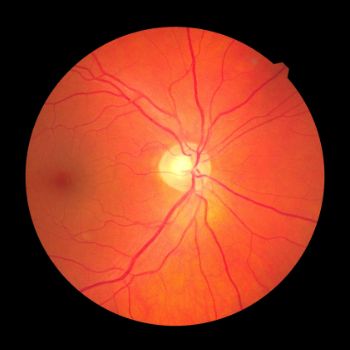
A growing body of evidence continues to show that the microvasculature in the retina may be a reliable indicator of the overall health of the body’s circulatory system and brain. Changes in the eye accompany aging and also reflect other health conditions and various age-related diseases include: age-related macular degeneration (AMD), diabetic retinopathy, hypertension, multiple sclerosis, Parkinson’s, AIDS, and even Alzheimer’s disease.
The optic nerve is brain tissue, so there is a strong correlation between changes in the brain and signs in the optic nerve and retina. The optic nerve and retina are created from brain tissue in the womb. The retina contains some of the smallest capillaries in the body, so they are sensitive to health changes in the body.[1. Ahadi S, Wilson KA Jr, Babenko B, McLean CY, Bryant D, et al. (2023). Longitudinal fundus imaging and its genome-wide association analysis provide evidence for a human retinal aging clock. Elife. Mar 28;12:e82364. ] Continue reading “Retina Scans Identify Early Onset Disease”
 The relationship between health, longevity, emotions, and aging is of enormous interest these days. With the fast past of life, technological advances, and changes in how humans communicate, the pressure is on.
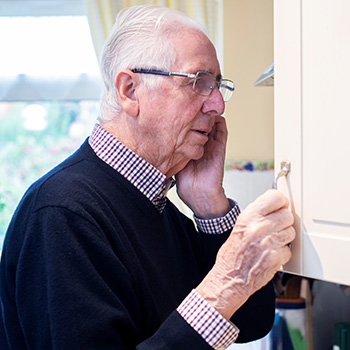 Have you been feeling forgetful, confused, unmotivated, irritable, anxious? These may be symptoms of “brain fog,” a general term for decreased cognitive ability.
 Looking for detailed information on a specific eye condition? Natural Eye Care is releasing a series of Mini-Books. Each short book focuses on a specific eye condition, such as Macular Degeneration, Glaucoma, Cataracts, Dry Eyes, and Eye Floaters. These self-help books explore natural ways to help protect and support healthy vision. Discover specific nutrients, diet, exercise, essential oils, Chinese medicine, and more. The cost of each book is $14.95 in paperback, or $9.95, coming soon, as an pdf file e-book.
  What are phytochemicals?
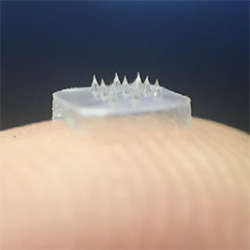 Instead of getting eye injections, patients with serious eye diseases may in the near future be eligible for a contact lens-type patch.[1. Aung Than, Chenghao Liu, Hao Chang, Phan Khanh Duong, Chui Ming Gemmy Cheung, Chenjie Xu, Xiaomeng Wang, Peng Chen. Self-implantable double-layered micro-drug-reservoirs for efficient and controlled ocular drug delivery. Nature Communications, 2018; 9 (1) DOI: 10.1038/s41467-018-06981-w] Injections are often recommended for eye diseases such as Wet (advanced) Age-Related Macular Degeneration, macular edema, and diabetic retinopathy. The new patch is inserted painlessly like a contact lens. It delivers tiny microneedles containing medication. The microneedles are made from natural materials and dissolve over time, gradually releasing medicine. Patients would be more likely to stick with a regimen that does not involve eye injections.
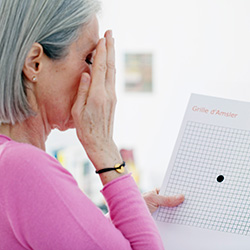 Wet Age-Related Macular Degeneration and Diabetic Retinopathy can lead to vision loss from angiogenesis. Angiogenesis is the growth of unwanted blood vessels in the retina. These excess blood vessels obscure or distort vision and damage the eye. They can result in permanent damage if not treated, typically by injection of EyLea, Avastin, or Lucentis. Macular Degeneration (ARMD) and Diabetic Retinopathy are most prevalent among seniors over age 60. Are there any natural methods to help retard the growth of extra blood vessels in the eye?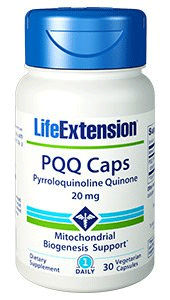
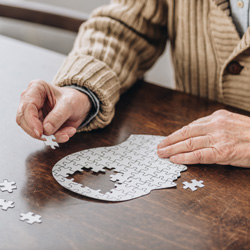 Parkinson’s disease is a multi-neurological disease. Currently, most Parkinson’s treatments focus on increasing dopamine production and reducing motor symptoms and tremors through medication. However, this disease has many causative or contributing factors that cause changes in healthy brain function. Many of these factors are also relevant for dementia, Alzheimer’s, Huntington’s, and Wilson’s diseases as well. Which factors impact brain functioning and the development of brain disease? Are there natural approaches to preventing and slowing the progress of such devastating diseases? This article offers a brief overview, based on the new book, Natural Parkinson’s Support: Your Guide to Preventing and Managing Parkinson’s.