
 DHA is one of the omega-3 fatty acids that nutritionists implore us to eat. Why are grilled salmon and canned tuna part of nearly every diet and nutrition plan? Fatty fish is just one good source of DHA and other crucial nutrients. Find out how omega-3 fatty acids reduce chronic inflammation and help prevent diseases such as macular degeneration (ARMD), glaucoma, and diabetes. Pregnant people need omega-3’s to help the fetus develop. How much omega-3 fatty acids should you eat? And how do you balance them with omega-6 fatty acids, found in refined foods and certain meats? Continue reading “DHA is a Crucial Omega-3 Fatty Acid”
Category: Research
Physical Exercise Reduces Eye Disease and Dementia
 Physical exercise is vital for eye health and overall health. Research shows the positive impacts of exercise on common eye conditions. What is the intricate relationship between exercise and eye health? Can regular physical activity reduce the risk of age-related eye diseases? What role does nutrition play? And, can physical exercise help stave off neurological disease, heart disease, and other chronic illnesses associated with aging? At Natural Eye Care, we want to support you with knowledge and practical tips for getting the exercise you need. Continue reading “Physical Exercise Reduces Eye Disease and Dementia”
Dry Eyes, Computer Screens, and Meibomian Gland Dysfunction (MGD)
 Dry eyes are among the most prevalent issues reported by our customers and patients. Women experiencing perimenopause and menopause frequently have dry eyes. However, it is increasingly observed across all age groups, largely attributable to prolonged use of digital devices such as computers, laptops, tablets, and smartphones. [1. Stapleton F, Alves M, Bunya VY, et al. TFOS DEWS II epidemiology report. Ocul Surf. 2017;15(3):334–365.] [2. LeBlanc AG, Gunnell KE, Prince SA, Saunders TJ, Barnes JD, Chaput J-P. The ubiquity of the screen: an overview of the risks and benefits of screen time in our modern world. Transl J Am Sports Med. 2017;2(17):104–113.] This extended screen time alters blinking patterns over time and exposes us to environmental pollutants, contributing to the development of dry eye symptoms and meibomian gland dysfunction. Continue reading “Dry Eyes, Computer Screens, and Meibomian Gland Dysfunction (MGD)”
How to Keep Your Brain Healthy–And Your Eyes!
 What is the relationship between brain health and eye health as we age? Our brains adapt and form new connections throughout our lives. Nutrition, lifestyle choices, and early detection play major roles in keeping the brain healthy, and the eyes. Find out about Natural Eye Care’s holistic approach to brain and eye health. Continue reading “How to Keep Your Brain Healthy–And Your Eyes!”
Eye Studies Reveal Natural Eye Care Effectiveness
 At Natural Eye Care, we view vision health from a whole-body perspective. Eye studies can reveal how to manage the visual system. However, the health of the eyes is connected to overall health. The visual system requires as much as 25% of the nutrients we take into our bodies. The brain needs even more. How we take care of ourselves goes a long way in helping to preserve healthy vision. Personal care includes emotional balance, and lifestyle considerations such as eating a healthy diet, exercising regularly, and targeted supplementation. Continue reading “Eye Studies Reveal Natural Eye Care Effectiveness”
Sleep Is Fundamental for the Eyes, Brain and Overall Health
 Getting enough sleep is crucial to your daily life and long-term health. However, many seniors struggle to get sufficient sleep. They also may have difficulty with the quality of sleep. What do the statistics show? How bad is sleep deprivation for your health? And what are some natural solutions?
Shocking Sleep Statistics
Sleep comes naturally. So why do we see these shocking sleep statistics? Continue reading “Sleep Is Fundamental for the Eyes, Brain and Overall Health”
Alzheimer’s Disease, Glaucoma and Macular Degeneration: New Research
 New research studies have found strong relationships between lifestyle and the aging brain. How can you help prevent or delay Alzheimer’s Disease and other forms of dementia? The eye’s retina is brain tissue. Not surprisingly, researchers have found connections between Alzheimer’s Disease, glaucoma, and lifestyle. What does the new research show? Are nutrition, supplements, exercise, and smoking avoidance shown to help?
What Are The Chances?
By the age of 65, 10% of seniors have Alzheimer’s Disease. Every five years, the risk doubles. Instead of waiting for any type of dementia to strike, you can take steps right now!
Alzheimer’s Disease is a complex brain disease. Amyloid-beta plaque builds up in the brain. Early symptoms include memory loss, impaired judgment, disorientation, losing items, and personality changes. Later, the brain is fully impaired, resulting in the need for caregivers. Multiple systems in the brain break down, including: Continue reading “Alzheimer’s Disease, Glaucoma and Macular Degeneration: New Research”
The Dangers of Artificial Sweeteners
 A sweet taste with zero calories sounds tempting, but what are the dangers of artificial sweeteners? What does the research on zero-calorie artificial sweeteners show? Too much sugar and high-fructose corn syrup can damage your health. Artificial sweeteners sound like an easy alternative. How can you tell the difference between artificial and natural low-calorie sweeteners? And, how can you get that sweet taste without risking your health?
At Natural Eye Care, we recommend avoiding artificial sweeteners because they may be dangerous for your health. This article will discuss these dangers and explore several low-calorie, natural sweeteners. Continue reading “The Dangers of Artificial Sweeteners”
All About Omega-3 Fatty Acids
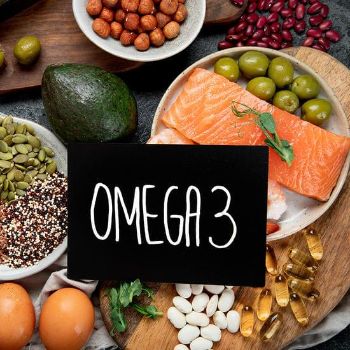 The standard Western diet, with many processed foods, white grains, fats, sugars, preservatives, and flavorings lacks essential nutrients to support the retina. These non-beneficial components aggravate inflammation in the body – an underlying, and sometimes a direct cause of illness, premature aging, and cellular degeneration.
Essential nutrients include a wide range of amino acids, minerals, vitamins, and vitamin-like nutrients. Among them, a star component of good health and good vision, are the omega-3 fatty acids.
Why is the Vagus Nerve Important?
Gut-Brain Access
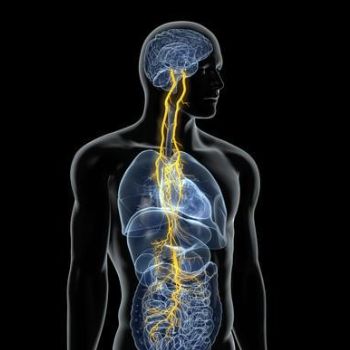 “Mind-body connection”? It is the link between our emotional/mental and physical selves. The link becomes evident as you learn about gut-brain access and the function of the vagus nerve.
Through two-way communication with the brain via the nervous system, endocrine system, and immune system, the gut and central nervous system form a gut-brain axis. They communicate with each other constantly, in both sickness and health.[1. Grenham S, Clarke G, Cryan JF, Dinan TG. (2011). Brain-gut-microbe communication in health and disease. Front Physiol. 2011; 2():94.] The gastrointestinal tract has its own nervous system that includes neurotransmitters, neurons, and electrical signals. Called the enteric nervous system, it is often referred to as the second brain. Researchers have concluded that mechanisms that degenerate the neurons in the brain also degenerate neurons in the enteric nervous system.[2. Wade PR, Cowen T. Neurodegeneration: a key factor in the ageing gut. Neurogastroenterol Motil. 2004 Apr;16 Suppl 1:19-23.] For example, exercise stimulates gut motility. If the vagus nerve is impaired, as in animal models, the gut has limited motility and nutrient absorption is hindered.[3. Wang Y, Kondo T, Suzukamo Y, Oouchidaa Y, Izumi S. (2010). Vagal nerve regulation is essential for the increase in gastric motility in response to mild exercise. Tohoku J Exp Med. 222(2):155-62.] Continue reading “Why is the Vagus Nerve Important?”