
What is the Glycemic Index and Why Is It Important
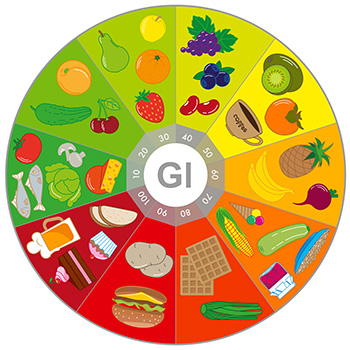 The Glycemic Index represents the relative rise in the blood glucose level two hours after consuming food. It is a system that ranks foods on a scale from 1 to 100 based on their effect on blood-sugar levels.
Why Is It Important
The current American diet contains excessive sugar, refined carbohydrates, poor oils, and processed foods resulting in an epidemic in obesity, autoimmune diseases, diabetes, cancer, eye disease, and even dementia related disorders.
High Glycemic Index Foods
These include all refined carbohydrates and sugars, white foods including white rice, bread, pasta, sugar, most commercial cereals, instant oatmeal, baked potato, corn.
Glycemic Index & Foods
Low glycemic index (GI of 55 or less): Most fruits and vegetables, beans, minimally processed grains, pasta, low-fat dairy foods, and nuts.
Moderate glycemic index (GI 56 to 69): White and sweet potatoes, corn, white rice, couscous, breakfast cereals such as Cream of Wheat and Mini Wheats.
High glycemic index (GI of 70 or higher): White bread, rice cakes, most crackers, bagels, cakes, doughnuts, croissants, most packaged breakfast cereals.
A high glycemic diet is pro-inflammatory which coincides with an acidic diet. An alkaline diet is anti-inflammatory.
In general, it is helpful to maintain a strong alkaline diet further described in detail in our book “Natural Eye Care: Your Guide to Healthy Vision and Healing.” The keto diet can be considered for its strong anti-inflammatory benefits, or the paleo diet,[1. Shen Y, Kapfhammer D, Minella AM, Kim JE, Won SJ, et al. (2017). Bioenergetic state regulates innate inflammatory responses through the transcriptional co-repressor CtBP. Nat Commun. 2017;8(624).] although there are potential long-term issues, also described in the diet chapter.
Your gut helps to manage levels of inflammation and therefore, keeping your gut healthy with the right foods is essential to keeping your brain healthy and reducing your risk of brain inflammation.
Top Anti-Inflammatory Foods. Avocados, broccoli, cocoa (dark chocolate 85 percent or higher), green, leafy vegetables, nuts (in particular hazelnuts and walnuts due to their high levels of brain-protecting, inflammation reducing vitamin E and antioxidants). Oily fish such as wild salmon, trout, tuna as well as sardines, herring, anchovies, and mackerel have strong anti-inflammatory properties.
Food Sources for vegetarians: chia seeds, flax seeds, walnuts, as well as algae.
Avoid sugar and refined carbohydrates (particularly all white, refined foods). Low carbohydrate diets how been shown to reduce inflammation. Refined carbohydrates have a high glycemic index. Research has shown that just a single meal with a high glycemic load can impair memory in both children and adults. The effect on memory may be due to inflammation of the hippocampus, a part of the brain that affects some aspects of memory, as well as responsiveness to hunger and fullness cues.[2. Beilharz JE, Maniam J, Morris MJ. (2015). Diet-Induced Cognitive Deficits: The Role of Fat and Sugar, Potential Mechanisms and Nutritional Interventions. Nutrients. Aug 12;7(8):6719-38.] [3. Volek JS, Fernandez ML, Feinman RD, Phinney SD. (2008). Dietary carbohydrate restriction induces a unique metabolic state positively affecting atherogenic dyslipidemia, fatty acid partitioning, and metabolic syndrome. Prog Lipid Res. Sep;47(5):307-18.] One study found that elderly people who consumed more than 58 percent of their daily calories in the form of carbohydrates had almost double the risk of mild mental impairment and dementia.[4. Roberts RO, Roberts LA, Geda YE, Cha RH, Pankratz VS, et al. (2012). Relative intake of macronutrients impacts risk of mild cognitive impairment or dementia. J Alzheimers Dis. 2012;32(2):329-39.]
Have a Healthy Diet
- Avoid vegetable oils, sodas and other sugary drinks (including anything with artificial sweeteners such as Aspartame (NutraSweet®, Equal®), Saccharin (Sweet’N Low®, SugarTwin®), Acesulfame K (Sunett®, Sweet One®,) Sucralose (Splenda®). For an excellent natural sweetener, try stevia.
- Also avoid trans fatty acids such as those found in most margarines and many fast foods, frosting, crackers and chips.
- Limit your intake of saturated fats (cheese, milk, butter and other dairy products).
Recommended Products
Advanced Eye and Vision Support Formula – general whole-food-based nutrients for vision wellness.
Dr. Grossman’s Meso Plus Formula with Astaxanthin – essential nutrients for retinal and macular health.
Revision wild-crafted Formula – based on classic Chinese medicine formula for vision wellness.
 You have heard that our diets have too much sugar. What does this mean? How does sugar affect our health, short-term and long-term? A large body of research shows the detrimental effects of excessive sugar, from tooth decay to diabetes. High-fructose corn syrup is especially villainized. And sugar is even blamed for hurting immunity.
  During flu season, what are the best ways to avoid catching a virus?
 A study published in the February 2019 issue of Aging Cell indicates that metformin may reduce the effectiveness of exercise. Metformin is a drug that has been approved for people with Type 2 diabetes to help control blood sugar. However, the drug is also used by healthy people for its anti-aging properties. The researchers are concerned about off-label use of this drug.
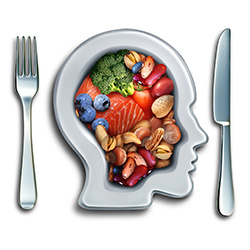 Brain health is especially important in seniors. Seniors are susceptible to dementia, Alzheimer’s disease, memory problems, and cognitive decline. Which foods boost brain power the most? At Natural Eye Care, we have picked eleven common foods that have brain-saving properties. Scientists have been studying the nutrients in foods for decades. They have isolated specific nutrients that cross the blood-brain barrier. These types of nutrients get direct access to the brain and even the retina. The retina is made from neural tissue. Researchers find that many of the nutrients helpful for the brain also stave off eye diseases such as macular degeneration and glaucoma.
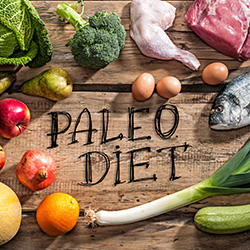 e Paleo Diet or “Caveman Diet” is trendy, but what effect could it have on the eyes? The idea is to eat like hunter-gatherers in the Stone Age. These early humans had no agriculture–and no processed foods. Nearly devoid of grains and dairy products, this diet focuses on meat, fruit, nuts, seeds, and vegetables.
  Biohacking refers to hacking human biology. The term “hacking” implies rogue, off-road, off-label, do-it-yourself activities. It stems from computer terminology, referring to illicitly defeating security protocols. However, the term has evolved to mean solving problems by undermining the established methods.
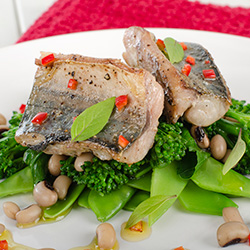 Docosahexaenoic acid or DHA is a naturally-occurring chemical, so why might seniors need to supplement it? Our bodies create small amounts of this omega-3 fatty acid. DHA from the diet, such as seafood, also counts. Docosahexaenoic acid is crucial to brain development in infants, and it is found in large quantities in the brain and retina. Researchers have found that consuming extra DHA can fight eye disease. How much docosahexaenoic acid do you need to get these effects? Can you get enough through your diet, or do you need to supplement DHA for optimum health?
 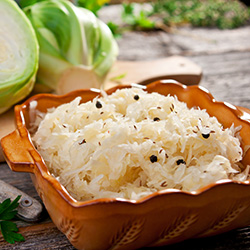 Our body naturally produces enzymes for digestion, so why might we need digestive enzyme supplements? Some fresh and fermented foods contain large amounts of digestive enzymes. How do these chemical catalysts help digestion? What happens if we do not have enough enzymes? Do we produce enough enzymes as we age? Does our diet today contain enough digestive enzymes?