
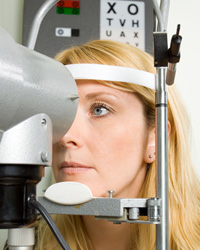
 Diabetic retinopathy is an eye disease that is a complication of diabetes. In diabetes, levels of blood sugar are chronically elevated due to lack of insulin, an insulin insensitivity, or a combination of both. Just as sugar combined with water outside the body forms a sticky substance, excessive sugar in the bloodstream does so as well. Sugar adheres to numerous different tissues in the body, causing problems depending on the tissue. Prolonged excessive sugar in the bloodstream tends to damage the blood vessels of the retina, the back part of the eye that sends light signals to the brain. As the blood vessels Continue reading “Diabetic Retinopathy Guide: When High Blood Sugar Damages the Eyes”
Category: Diabetic Retinopathy
Notable People Who Have Vision Conditions
Even VIPs have eye conditions. Here’s an interesting collection of ten notables who have serious vision conditions, and who have made a success of their lives nonetheless!
 1. Steve Wynn: Las Vegas casino developer and the owner of such resorts as the Wynn Las Vegas, Wynn Macau, Bellagio, The Mirage, et cetera. Wynn has developed retinitis pigmentosa which includes progressive degeneration of the photoreceptor cells of the retina. Such degeneration results in poor night vision, light to dark adaption and impaired peripheral vision. Mr. Wynn recently partnered with the University of Iowa to establish the Stephen A. Wynn Institute for Vision Research. He donated $25 million to help the university find a cure for blinding eye diseases.
2. Jon Wellner: American actor with the recurring role as toxicologist Henry Andrews in CSI: Crime Scene Investigation. Wellner also has retinitis pigmentosa which has not yet impacted his work. He does however wear glasses. Not only does he continue to act but he also owns his own research company that does research for CSI: Miami, Bones, CSI: Crime Scene Investigation, and others. Continue reading “Notable People Who Have Vision Conditions”
Taurine Keeps Diabetics’ Eyes Healthy
 Taurine is something you will often see in reference to your cats – it’s essential to feline health. You may not know that it is essential to your own eye health as well, especially if you are a person with diabetes.
Diabetes increases the retina’s requirements for taurine. Uptake of taurine is increased in the retina and retinal pigment epithelium when the body is suffering from higher levels of insulin and glucose concentrations.
Also, Taurine also appears to protect the lens against the development of “sugar cataracts” because it has excellent antioxidant properties.
Good sources of taurine are fish and eggs. You can also visit our Vision Store to find supplements that will help you boost your taurine levels.
See research on taurine and more information on this and other important amino acids.
Glucose, Glycemic Index and Eye Disease
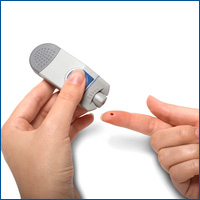 Most people are aware that diabetics are at risk for This is because high blood glucose, or high blood sugar levels, puts people at risk for these problems. Yet, many of us don’t realize that we all need to be concerned about the dangers of high blood sugar levels to our overall health.
High blood sugar levels produce advanced glycation end products or AGEs. AEGs have been linked to the aging process, heart disease, and dementia, as well as serious eye diseases. And, while AGEs are more Continue reading “Glucose, Glycemic Index and Eye Disease”
How Microcurrent Stimulation Could Help Eye Diseases
An FDA-guided and -supervised study revealed that microcurrent stimulation, also called electrotherapy, resulted in significant vision improvements in 61% of patients suffering from dry macular degeneration. The research showed promise that microcurrent stimulation could also help patients with diabetic retinopathy or retinitis pigmentosa.
Microcurrent stimulation is a therapy designed to alleviate pain, promote the healing of wounds and improve results with transplanted tissues. The FDA has approved its use for these purposes under specific protocols. This therapy is commonly used by rehab specialists, anesthesiologists, orthopedic surgeons, and plastic surgeons.
Continue reading “How Microcurrent Stimulation Could Help Eye Diseases”
How Enzymes Help the Body and the Eyes
 An enzyme acts as a catalyst to increase the rate of a chemical reaction. Enzymes are proteins. Scientists have named 3,000+ different enzymes, but perhaps 50,000 additional enzymes may exist. Enzymes all have specific functions that result in biochemical reactions. For example, certain enzymes are involved in the absorption of oxygen and production of energy; other enzymes help nutrients get into the cells.
Digestive enzymes produced by the pancreas are the most well-known, because they help break down food. Tay-Sachs disease and juvenile diabetes (Type I) are caused by genetic problems that inhibit the pancreas’s ability to generate the necessary enzymes in enough quantity.
FDA Approves Lucentis for Diabetes-related Eye Disease
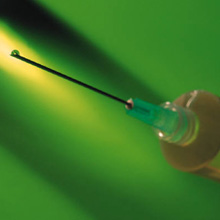 The eye drug Lucentis has been approved by the Food and Drug Administration for treating the disease diabetic macular edema (DME). This drug was originally developed by Roche to treat cancer. Lucentis has also been approved to treat two eye disorders, macular degeneration and now, diabetic macular edema.
The leading cause of new cases of blindness in adults in the US is diabetes. Diabetic macular edema causes swelling and blurred vision. Without treatment, it can result in permanent vision loss. Of the 26,000 Americans with diabetes, more than 560,000 are estimated to have diabetic macular edema. All diabetics should have a comprehensive dilated annual eye examination to screen for this disease, as it may have no symptoms in the early stages.
Continue reading “FDA Approves Lucentis for Diabetes-related Eye Disease”
Age-Related Eye Disease Prevention
 As people age, eye diseases and conditions that commonly occur include macular degeneration, cataracts, vitreous tears/retinal tears and detachments, glaucoma, diabetic retinopathy, dry eyes, and eye floaters.
The question arises as to whether eye disease is inevitable with age. Will all older adults eventually have a “glint” in their eyes after cataracts surgery? More than 50% of people aged 75+ have glaucoma, cataracts, or macular degeneration. Can aging adults do anything to prevent, manage or slow down eye diseases associated with aging?
A large body of research is accumulating that shows the effects of regular eye exercises, good nutrition, and targeted supplementation on preventing and/or managing eye conditions. For instance, peer-reviewed research has shown that the risk of getting macular degeneration can be significantly reduced by taking fish oil and lutein on a daily basis. Vigorous exercise may reduce the incidence of glaucoma. And the effects of antioxidants on preventing cataract and macular degeneration have been the subject of significant research.
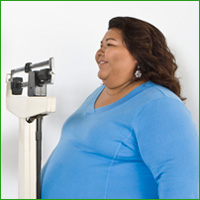
Obesity’s Effects on Diabetic Retinopathy, Cataracts and Eye Disease
 The obesity epidemic may have an impact on the health of the eyes. While scientific studies do not seem to have found a direct link between obesity and eye disease, maintaining a healthy weight supports your overall health and helps prevent diseases that can harm the eyes. Here’s why.
Obesity is a step up from “overweight.” The National Institute of Health (NIH) in the United States, commonly uses Body Mass Index (BMI). This is a ratio of height to weight. Overweight is a BMI of 25-29, and obesity is a BMI of 30 or more. For example, 5′ 7″ person who weighs 160 pounds would have a BMI of 25 (just barely overweight). This same person at 195 pounds would have a BMI of 30 (obese) and at serious risk of disease such as heart disease, cardio-vascular disease, stroke, cancer, diabetes and lower-body joint problems.
Continue reading “Obesity’s Effects on Diabetic Retinopathy, Cataracts and Eye Disease”
Record-breaking Fine Against Drug Company GlaxoSmithKline
 Drug maker GlaxoSmithKline has been found guilty of fraud in the way it reported research on, or marketed, on 3 of its medications in the largest settlement against a drug company in US history–$3 billion. The issues involved 10 drugs, and included marketing “off-label” use of the antidepressants Paxil and Wellbitrin and the asthma drug Advair, and not reporting all the safety data for the diabetes drug Avandia.
GlaxoSmithKline pleaded guilty and agreed to pay $3b total in both criminal fines and civil settlements with the federal and state governments. The fines will be paid next year.
In a press conference, Deputy US Attorney General James Cole said the settlement was “unprecedented in both size and scope.”
Continue reading “Record-breaking Fine Against Drug Company GlaxoSmithKline”