 Eye health is important for quality of life. Regular exercise has many significant benefits, including supporting healthy vision. This is especially true for seniors, who are most at risk for eye disease. While you cannot control all risk factors, sedentary behavior is a risk factor you CAN control. Avoiding tobacco and eating a healthy diet are also under your control. Genetics have an influence: a much higher percentage of African Americans have vision loss from glaucoma; non-Hispanic Whites top the charts in Age-Related Macular Degeneration vision loss[1. https://www.aao.org/eye-disease-statistics ].
Exercise reduces oxidative stress, a significant factor in the development of eye Continue reading “The Effects of Exercise on Vision Health: Glaucoma, Cataracts, AMD and Others”
 Macular edema is a swelling of the macula, the part of the eye responsible for central vision. When fluid builds up in the macula, it becomes swollen and thicker. This distorts vision. There are several causes, including diabetic retinopathy, post-eye surgery complications, macular degeneration, injury, systemic inflammatory diseases that can affect the eye, and/or vein blockages. If an eye disease causes damage to blood vessels in the retina, it can cause macular edema. Left untreated, this problem can cause serious vision loss and even blindness.
 Middle-aged people and seniors are far more likely to develop Macular Degeneration, glaucoma, cataracts and diabetic retinopathy than those in their youth. It is true that some eye diseases strike the young. These tend to be genetically-based diseases, and they are rare. The incidence of eye diseases in the United States goes up dramatically with age:
  Chinese scientists have identified nutrients that come from marine algae that may prove to provide even better support for vision health problems due to
  Blue light is emitted from all handheld electronic devices as well as desktop and laptop computers and televisions. It is the shortest wave length light in the visible spectrum and causes significant damage to many parts of the eye seriously impacting present and future vision capacity. Damage from blue light from smartphones is particularly important because smartphones are often used in dim light and are used close to the eyes. Unlike ordinary computer vision fatigue, damage from blue light is serious, cumulative and irreversible.
 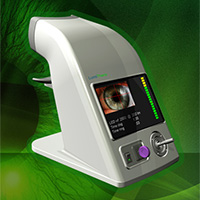 A low-level light treatment called photobiomodulation may be a future treatment for macular degeneration. A company called LumiThera is developing devices for treating vision loss. The devices expose the eye to low-level laser light or light emitting diodes to stimulate cellular function. This is called low level light therapy (LLLT). It is distinct from surgical or aesthetic laser treatments, which destroy tissue.
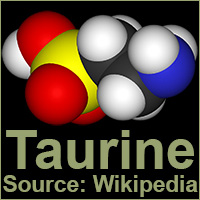 Your body is 1/1000th taurine, a chemical essential to life. The amino acid taurine is crucial for vision. It supports function of the heart, skeletal muscle, and the central nervous system.[1] The pancreas produces taurine, and taurine is a major component of digestive bile. The chemical can be ingested from meats, fish and supplements, such as pills and energy drinks.
 Scientists have partially restored sight in blind mice using a protein to repair damaged cells in the retina. These experiments may ultimately lead to treatments that restore sight in patients with progressive degenerative retinal diseases such as diabetic retinopathy, retinitis pigmentosa and macular degeneration.