
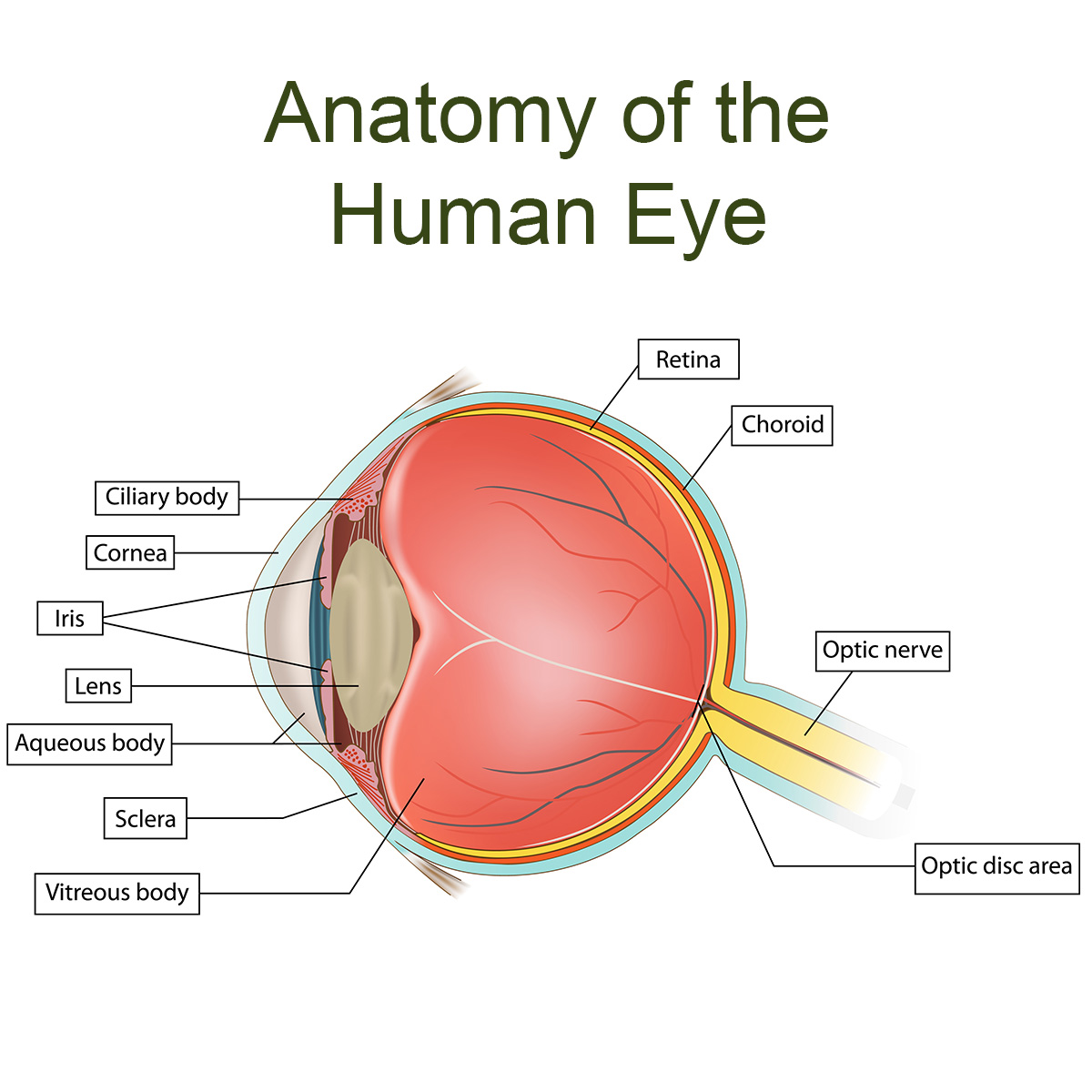
 The eyes are small, but they have many parts including the eyelids, sclera, cornea, lens, optic nerve and retina. We depend heavily on our vision. When something goes wrong, the eyes are disproportionately affected. For example, a senior at risk of heart disease is also at risk of an ocular arterial or vein occlusion. Also, the macula requires a yellow-colored nutrient (lutein and zeaxanthin) found in certain vegetables such as green leafy vegetables, red, yellow and green peppers, corn and eggs. And antioxidants found in fresh fruits and vegetables have been shown to reduce oxidative eye damage and eye disease. Continue reading “Which Parts of the Eyes Are Associated with Which Eye Diseases?”
Category: Diabetic Retinopathy
How to Improve Your Vision Health
 People who have advanced eye disease have waited too long to improve their vision health. Keeping the eyes health is a lifetime endeavor. An unhealthy lifestyle and poor nutrition lead to a higher risk of eye diseases. Researchers have linked cataracts, macular degeneration, glaucoma, optic neuropathy, retinal vein occlusions, and other eye conditions to mostly-controllable risk factors. Seniors are especially at risk. Natural Eye Care offers this guide to improving vision health. Continue reading “How to Improve Your Vision Health”
How to Give Your Eyes Enough Nutrition
 Have you ever heard that your eyes need plenty of nutrition? It’s true, and research backs this up. But did you know that the Standard American Diet tends to be very low in some eye-essential nutrients? The eyes are the second most physiologically active part of our body (#1 is the brain). At Natural Eye Care, we believe the eyes require approximately 25% of the nutrients we take into our body, if we eat a healthy diet. Even though most Americans consume enough calories, we may still have poor nutrition for the eyes. No wonder Macular Degeneration, cataracts, glaucoma, optic nerve Continue reading “How to Give Your Eyes Enough Nutrition”
Does Glycation Accelerate Ageing?
 What is this new buzzword “glycation”? When sugars bind with protein molecules, aging apparently accelerates.
Doctors are starting to offer the hemoglobin A1c blood test to more patients because tissue glycation is suspected of accelerating aging. This simple blood test was typically reserved for diabetics. However, research is pointing to its usefulness for all ageing individuals. The test results are good indicators of poor blood sugar control, disease risk, and longevity.
Glycation is the binding together of sugar and protein molecules. A visible result of glycation is Continue reading “Does Glycation Accelerate Ageing?”
Outdoor Activities Associated with Eye Disease
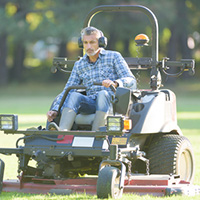 Sunlight is critical for overall well-being. Through an intricate process it enables the body to produce essential vitamin D. We only need 20 minutes of sunlight a day. But sunlight also contains UV radiation.
Unprotected over exposure to sunlight can eventually result in oxidative damage to the retina and other eye tissue such as the eye lens and sclera causing many eye problems as well as skin cancer. You can help protect your eyes by wearing 100% UVA/UVB protecting sunglasses when outside (particularly wraparound glasses with amber or brown lenses that are polarized to reduce glare). Continue reading “Outdoor Activities Associated with Eye Disease”
New Supplement Package for Retinal Support
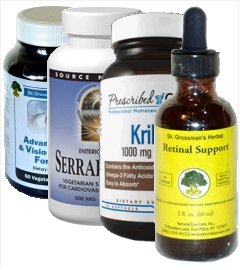 A macular pucker is most common in seniors. A slow-progressing problem, the epiretinal membrane is like a layer of thin plastic wrap. Sometimes when this membrane contracts in seniors, it causes wrinkling of the retina. The symptoms include central vision distortion and blurring. Macular swelling may also ensue.
Doctors have limited options for treating macular pucker. Wait-and-see and using the Amsler grid for screening are common. Doctors may recommend vitrectomy surgery for profound vision loss. Continue reading “New Supplement Package for Retinal Support”
Eye Drops Instead of Injections for ARMD and Diabetic Retinopathy
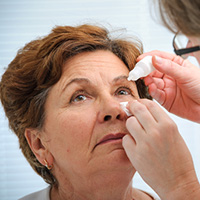 Eye drops may soon replace gene therapy injections for Age-Related Macular Degeneration and Diabetic Retinopathy. [1. “Facile Noninvasive Retinal Gene Delivery Enabled by Penetratin” by Chang Liu, Kuan Jiang, Lingyu Tai, Yu Liu, Gang Wei, Weiyue Lu, and Weisan Pan. ACS Applied Materials & Interfaces, 2016, 8 (30), pp 19256–19267 DOI: 10.1021/acsami.6b04551 Publication Date (Web): July 11, 2016] Delivering drugs to the back of the eye currently requires an invasive injection. The associated discomfort discourages many patients from consenting to this type of treatment. The new delivery technique is special eye drops that gently make their way to the back of the eye.
Excessive blood vessel growth is damaging to the Continue reading “Eye Drops Instead of Injections for ARMD and Diabetic Retinopathy”
New “Artificial Pancreas” for Diabetes
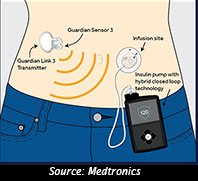 The Food and Drug Administration has granted approval for a new artificial pancreas that is hailed as a breakthrough for patients with Type I diabetes. Manufactured by Medtronic Plc, the MiniMed 670G[1. “FDA approves Medtronic’s ‘artificial pancreas’ for diabetes,” by Ransdell Pierson and Toni Clarke. Reuters Health News. 9/28/16] combines an insulin pump with an insulin sensor. The sensor sends blood sugar data to the pump every five minutes. Then, the pump releases the correct amount of insulin. This technology saves finger-pricks and frequent monitoring of blood glucose levels.
Monitoring blood sugar levels is Continue reading “New “Artificial Pancreas” for Diabetes”
Age-Proofing Your Eyes to Preserve Vision
 While Americans spend billions of dollars each year on how they LOOK, little attention is given to how they SEE. Seniors are especially vulnerable to eye diseases such as glaucoma, age-related macular degeneration, and cataracts, as well as hypertension-related eye damage such as retinal vein occlusion.
The American Academy of Ophthalmology issued guidelines on aging and the eye as a result of its 2015 Eye-Q© Survey[1. American Academy of Ophthalmology https://www.prnewswire.com/news-releases/remember-your-eyes-when-it-comes-to-fighting-the-signs-of-aging-300138352.html] (updated with 2016 data).
Here is a summary of their recommendations.
Continue reading “Age-Proofing Your Eyes to Preserve Vision”
Keep Your Eyes Young and Healthy: Avoid Cataracts, Macular Degeneration, Glaucoma
 As we age, our chances of developing a serious vision problem increase significantly. More than half of people over the age of 70 years old have an eye condition such as cataracts, glaucoma, and macular degeneration; people with diabetes often develop diabetic retinopathy. These limiting conditions decrease the quality of life. Being a retired senior means having time to enjoy life, read, travel, play golf, enjoy hobbies, and socialize with friends and family. However, participating in these activities requires clear vision.
We can learn to help preserve our vision and to become active Continue reading “Keep Your Eyes Young and Healthy: Avoid Cataracts, Macular Degeneration, Glaucoma”