
 Lutein and zeaxanthin are two important nutrients found in various parts of the body, including the retina and eye lenses. Acting as powerful antioxidants, they are like an internal pair of sunglasses, filtering out harmful UVA/UVB and blue light. Additionally, they aid in reducing night glare, enhancing visual sharpness, and improving color contrast.
Research indicates that boosting levels of these carotenoids can lead to better visual function while also protecting against the onset and advancement of eye conditions like macular degeneration, glaucoma, and other eye diseases. Continue reading “Lutein and Zeaxanthin: Updated Studies on Carotenoids for the Eyes”
 Getting enough sleep is crucial to your daily life and long-term health. However, many seniors struggle to get sufficient sleep. They also may have difficulty with the quality of sleep. What do the statistics show? How bad is sleep deprivation for your health? And what are some natural solutions?
 New research studies have found strong relationships between lifestyle and the aging brain. How can you help prevent or delay Alzheimer’s Disease and other forms of dementia? The eye’s retina is brain tissue. Not surprisingly, researchers have found connections between Alzheimer’s Disease, glaucoma, and lifestyle. What does the new research show? Are nutrition, supplements, exercise, and smoking avoidance shown to help?
 Age-related macular degeneration is an eye disease you do not want to get! One of the treatments is injections directly into the eye on a regular basis. The consequences can be devastating. The loss of central can steal your driving independence and your ability to recognize faces, watch TV, read, do crafts and hobbies, and cook. Research studies on carotenoids and essential fatty acids such as omega-3 fatty acids show hope for preventing and supporting Age-Related Macular Degeneration (ARMD or AMD).
  We have written extensively about how excess exposure to blue light can, over time, negatively affect vision. Not only does it affect our vision and ability to fall asleep, but it can also harm skin health, and neural pathways in the brain are affected in various ways.
  In the article, we discussed several essential nutrients for the eye and overall health. This follow-up article focuses on several additional important nutrients: astaxanthin, PUFA’s (polyunsaturated fatty acids), and trehalose.
 Did you know that there are three nutrients that are fundamental to visual health? Why are they so important?
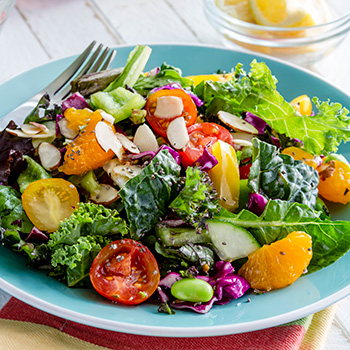 These powerhouses provide a great starting point for your vision nutrition. Lutein and zeaxanthin (along with mesozeaxanthin) are carotenoids, a class of mostly yellow, orange, or red fat-soluble pigments, including carotenes, which give color to plant parts such as ripe tomatoes.
 Mesozeaxanthin, less well-known than lutein and zeaxanthin, is the most powerful antioxidant of the threesome, but the combined trio presents the most potent protection for the eye than any of the three carotenoids alone.[1. Li B, Ahmed F, Bernstein PS. (2010-12-01). Studies on the singlet oxygen scavenging mechanism of human macular pigment. Arc Biochem Biophys. 504(1):56–60.] Out of all of the roughly 7000 carotenoids known in nature, it is these three that are found in great concentrations in the macula, the key part of the retina, responsible for central vision.
  The antioxidants lutein and zeaxanthin help keep the eyes healthy. A new study has found that these nutrients also improve the circulation of blood to the brain. Seniors experience gradual cognitive decline. A recent study showed that taking enough of these antioxidants halted cognitive decline. Research supports the idea that nutrition has a direct impact on the brains and eyes throughout one’s lifespan from infancy (breast milk contains lutein) to old age.[1. Johnson EJ. (2014). Role of lutein and zeaxanthin in visual and cognitive function throughout the lifespan. Nutr Rev. Sep;72(9):605-12.]