
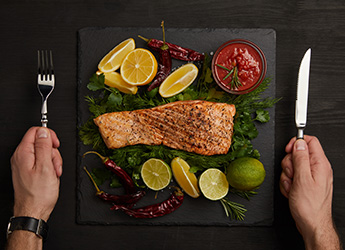
 The lowly microalgae in the ocean produce astaxanthin for their protection against environmental stressors and light. Fish and crustaceans consume microalgae and retain the bright red color that we see in salmon, sea trout, shrimp, and krill.
When we enjoy savory salmon, the benefit of the astaxanthin that it contains extends to our vision, brain, circulatory system, immune system, etc., but with a difference. It provides significantly greater antioxidant protection (10x to 100x more) than other antioxidants.[1. Chiro.org. Antioxidants: Relative Singlet Oxygen Quenching Rates. Retrieved Apr 16 2018 from http://www.chiro.org/nutrition/FULL/Antioxidants_Relative_Singlet_Oxygen_Quenching_Rates.html.] [2. Kurashige M, et al. (1990). Inhibition of oxidative injury of biological membranes by astaxanthin. Physiol Chem Phys Med NMR. 1990;22(1):27-38.] [3. Rodrigues E, et al. (2012). Scavenging capacity of marine carotenoids against reactive oxygen and nitrogen species in a membrane-mimicking system. Mar Drugs. Aug;10(8):1784-98.] Continue reading “Astaxanthin: Carotenoid with a Difference”
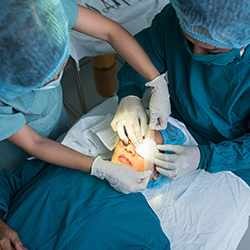 Cataracts are one of the most common eye conditions among seniors. A cataract results in clouding the vision, and eventually causes blindness if not treated. The conventional approach to cataracts is to wait and see if it gets worse. When a cataract is advanced, an eye surgeon usually offers cataract surgery. Cataract surgery uses artificial lenses that correct any clouding due to a cataract. It can correct certain refraction errors at the same time. However, not everyone is a good fit for this treatment. Which nutrients help promote healthy lenses and overall eye health? What does recent research into cataract pharmacotherapy show? And, which combinations of nutrients are the most effective for lens support?
  Parkinson’s disease is a multi-neurological disease. Currently, most Parkinson’s treatments focus on increasing dopamine production and reducing motor symptoms and tremors through medication. However, this disease has many causative or contributing factors that cause changes in healthy brain function. Many of these factors are also relevant for dementia, Alzheimer’s, Huntington’s, and Wilson’s diseases as well. Which factors impact brain functioning and the development of brain disease? Are there natural approaches to preventing and slowing the progress of such devastating diseases? This article offers a brief overview, based on the new book, Natural Parkinson’s Support: Your Guide to Preventing and Managing Parkinson’s.
 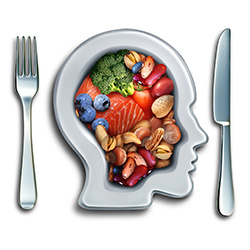 Brain health is especially important in seniors. Seniors are susceptible to dementia, Alzheimer’s disease, memory problems, and cognitive decline. Which foods boost brain power the most? At Natural Eye Care, we have picked eleven common foods that have brain-saving properties. Scientists have been studying the nutrients in foods for decades. They have isolated specific nutrients that cross the blood-brain barrier. These types of nutrients get direct access to the brain and even the retina. The retina is made from neural tissue. Researchers find that many of the nutrients helpful for the brain also stave off eye diseases such as macular degeneration and glaucoma.
 Astaxanthin is a potent antioxidant that helps prevent sun damage to the body by blocking free radical damage. This bright red molecule forms in certain algae, pink seafood, and yeast. Unlike beta-carotene, this carotenoid crosses the blood-brain barrier to help maintain healthy brain function. Astaxanthin helps the brain by promoting neurogenesis, the generation of new brain neurons. This nutrient also supports existing neurons by reducing oxidative stress. Scientists have found that astaxanthin can protect against cumulative sun damage to the eye. This nutrient may help reduce the risk of eye disease such as macular degeneration. It may also protect against cataracts and vision loss from glaucoma. In addition, related carotenoids called lutein and zeaxanthin block blue light and work synergistically with astaxanthin.
 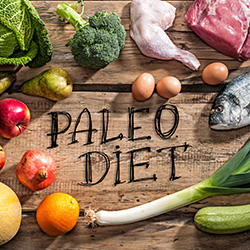 e Paleo Diet or “Caveman Diet” is trendy, but what effect could it have on the eyes? The idea is to eat like hunter-gatherers in the Stone Age. These early humans had no agriculture–and no processed foods. Nearly devoid of grains and dairy products, this diet focuses on meat, fruit, nuts, seeds, and vegetables.
  As we age, how can we prevent or support dementia, Alzheimer’s Disease, and other age-related brain diseases? Looking at the scientific research, much emphasis is on curing neurological disease after it is well-established. Reacting to a crisis is logical, though, after many years of research and money spent, there is still no cure. However, preventing a crisis is even better. Why wait for possible brain deterioration to affect your quality-of-life?

 The main indicator of age at first glance is facial wrinkles. Seniors who wish to maintain a youthful appearance are tempted to purchase wrinkle creams and supplements. Before buying, consumers should look at objective research. One supplement called astaxanthin has been shown in small studies to reduce wrinkling and enhance the skin. Astaxanthin is also excellent for the eyes. What is Astaxanthin made from? What are the benefits to the eyes and skin?