
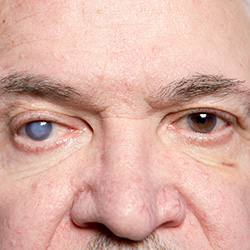
 A study conducted in North India found that people with low levels of antioxidants had higher levels of cataracts.[1. Dherani M, Murthy GV, Gupta SK, et al. Blood levels of vitamin C, carotenoids and retinol are inversely associated with cataract in a North Indian population. Invest Ophthalmol Vis Sci 2008;49(8):3328-35.] A meta-analysis in 2015 found that too little vitamin E increased the risk of developing cataracts.[2. Zhang, Y., Jiang, W., Xie, Z, Wu, W., Zhang, D. (2015). Vitamin E and risk of age-related cataract: a meta-analysis. Public Health Nutr, Oct;18(15):2804-14.] Diabetes and fluctuations in blood sugar levels are risk factors for cataracts. Cataracts are the leading cause of total blindness in the world. Whether you have access to cataract surgery or not, prevention is better than disease. Scientists have studied specific nutrients and their links to cataract formation. What can you do to help prevent cataracts? Which fruits, vegetables, and other foods reduce cataract risk? If you have already developed cataract, can you do anything? Continue reading “Low Antioxidant Levels Tied to Cataracts”
Biohacking the Eyes for Vision Health
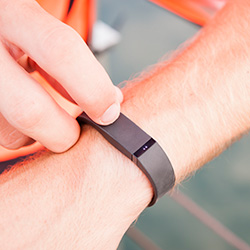 Biohacking refers to hacking human biology. The term “hacking” implies rogue, off-road, off-label, do-it-yourself activities. It stems from computer terminology, referring to illicitly defeating security protocols. However, the term has evolved to mean solving problems by undermining the established methods.
Regarding vision health, we have identified three types of biohacks: Nutrition Biohacks (Nutrigenomics), Quantified Self Biohacking (personal tracking devices), and Grinders (cyborgs devices). Continue reading “Biohacking the Eyes for Vision Health”
Avastin as Effective as Lucentis for Wet AMD
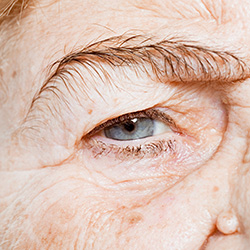 A study, led by Dr. Daniel Martin, an ophthalmologist at the Cleveland Clinic’s Cole Eye Institute, has found that the cancer drug Avastin (bevacizumab) offers macular degeneration patients the same benefits as the drug Lucentis (ranibizumab), which was specifically formulated to treat the disease. Continue reading “Avastin as Effective as Lucentis for Wet AMD”
Glaucoma Update: New Mirtogenol Formula for Eye Pressure
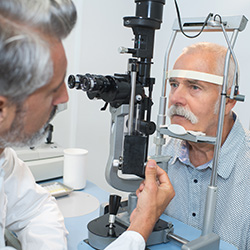 Mirtogenol® has been shown to reduce eye pressure, which is a risk factor and symptom of glaucoma. A combination of bilberry extract and French maritime pine bark, Mirtogenol was the first nutrient combination shown to support healthy eye pressure. Glaucoma is the leading cause of blindness in the world. By reducing intra-ocular pressure (IOP), Mirtogenol naturally supports glaucoma. Glaucoma leads to irreversible optic nerve damage and vision loss. Dr. Marc Grossman, OD, L.Ac. and author of “Natural Eye Care: Your Guide to Healthy Vision and Healing” has released a new Eye Pressure Support Ease Formula With Mirtogenol Plus. Continue reading “Glaucoma Update: New Mirtogenol Formula for Eye Pressure”
Natural Ways to Help Lower Cholesterol
There are a number of food sources that lower cholesterol, reduce heart disease and cut the risk of Macular Degeneration naturally. These include olive oil, oat bran, apples, walnuts, red rice yeast, omega-3 fatty acids, and nattokinase.
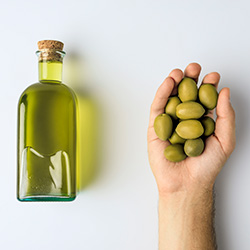
There are several foods that help lower cholesterol levels.
Foods that are high in soluble fiber help reduce cholesterol. Soluble fiber draws water into the gut, softening stools and promoting regularity. Gut-friendly bacteria eat soluble fiber. Dietary fiber can be soluble or insoluble. Women should get 25 grams of dietary fiber per day, and men should get 38 grams per day. However, few Americans regularly reach this recommended daily amount (RDA). Continue reading “Natural Ways to Help Lower Cholesterol”
Phytonutrients for Your Eyes and Brain: Love Your Fruits and Vegetables

Mother always told you to eat your fruits and vegetables – but why? Modern researchers are finding more and more about antioxidants for health. Scientists publish mountains of peer-reviewed research a year on antioxidants found in fruits and veggies. One type of antioxidant is called “phytonutrients.” Found in plant pigments, phytonutrients are especially good for the eyes and brain. How do phytonutrients slow the impact of aging and reduce disease risk? Which foods contain significant amounts of the best types of phytonutrients?
Continue reading “Phytonutrients for Your Eyes and Brain: Love Your Fruits and Vegetables”
Diabetic Retinopathy: The Four Stages
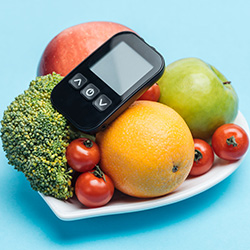
Diabetic Retinopathy is damage to the retina from poor blood sugar control. All types of chronic diabetes can cause retinal damage. The retina, at the back of the eye, is neural tissue. Tiny blood vessels, called capillaries, in the retina swell and leak. How often should diabetic patients visit their eye doctors? What are the four stages of diabetic retinopathy?
Continue reading “Diabetic Retinopathy: The Four Stages”Chocolate / Lactulose May Help Protect Against Stroke
Chronic Fatigue

When you’re feeling low, some chocolate can often perk you up.
If you are someone who suffers from chronic fatigue syndrome, the flavonoids in chocolate may actually help alleviate your symptoms.
A study published in Nutrition Journal describes how chocolate with high cocoa liquor counts that is rich in polyphenols was more effective in helping subjects manage their chronic fatigue symptoms over eight week periods than those taking “regular” chocolate.[1. https://www.nutritionj.com/content/9/1/55.]
Stroke Recovery
Epicatechin is another compound that is found in dark chocolate. Catechins are natural antioxidants found in a number of foods.
Scientists have determined that epicatechin may protect the brain after one has suffered a stroke. It may do so by stimulating the signals given by cells to protect nerve cells from damage. [3. Journal of Cerebral Blood Flow and Metabolism, May 5, 2010.]
Editor’s Note: Antioxidants are essential for maintaining healthy vision and overall health.
Lactulose & Stroke Recovery
Based on a new research study done on mice, a simple drink of water laced with hydrogen gas–lactulose–might help prevent brain damage due to a stroke. The gas appears to protect cells from the after effects of oxygen starvation possibly by reacting with and disabling the post stroke toxic oxygen effects.
In the West, stroke is the second leading cause of death (heart disease is #1). During an ischemic stroke, a blockage chokes off blood flow to the brain. Part of the brain dies, and if the damage is serious enough, the individual dies. The sooner the stroke is mitigated, the less damage to the brain. Stroke victims can have long-term difficulty with cognition, using parts of their body, eating, doing daily tasks, and caring for themselves.
Risk factors for stroke that are not easily controlled include age, gender, race, and family history. Controllable risk factors include high blood pressure, atrial fibrillation, high cholesterol, diabetes, atherosclerosis, circulation problems, tobacco, alcohol, lack of exercise, and obesity. Preventing a first stroke helps prevent future strokes, since having a stroke in the past also increases the risk — if the first stroke is survived.
To detect whether someone may be having a stroke, the “FAST” method is recommended.
- F = Face (Ask the person to smile. Does one side of the face droop?)
- A = Arms (Ask the person to raise both arms. Does one arm drift downward?)
- S = Speech (Ask the person to repeat a simple sentence. Does the speech sound slurred or strange?)
- T = Time (If you observe any of these signs (independently or together), call 9-1-1 immediately)
A new study examined whether mixing hydrogen gas with water — to create lactulose — and drinking it immediately after an stroke reduced brain damage. They found in animal studies that the lactulose had an anti-oxidant effect and reduced neurological damage from ischemic stroke. The hydrogen gas seemed to protect cells from the after-effects of oxygen deprivation.
The scientists called for more research into whether lactulose could have a preventative effect, to avoid strokes in the future. Also, they hypothesized that hydrogen gas in water could act as a powerful antioxidant to prevent or treat cardiovascular disease, neurodegenerative disease, etc. Currently, there are no signs of hydrogen gas being toxic to humans.
Significant research supports the value of antioxidants in maintaining good health and mitigating disease. Learn more about antioxidants for good health.[4. Lactulose: an effective preventive and therapeutic option for ischemic stroke by production of hydrogen.” by Chen Et. Al. Medical Gas Research 2012, 2:3.]
Retinitis Pigmentosa Gene Editing Studied on Human Embryos

The genetic eye disease Retinitis Pigmentosa is the target of gene editing research on human embryos by Dr. Dietrich Elgi at Columbia University. National Public Radio reported on this research[1. New U.S. Experiments Aim To Create Gene-Edited Human Embryos, February 1, 2019, 5:00 AM ET. Morning Edition. National Public Radio. Rob Stein] shortly after a Chinese scientist announced he had created the world’s first two gene-edited babies.[2. Chinese Scientist Says He’s First To Create Genetically Modified Babies Using CRISPR. November 26, 20185:02 AM ET. Morning Edition. National Public Radio. Rob Stein] Both scientists use the CRISPR tool to genetically modify human embryos. However, the experiments at Columbia are for research purposes only. These embryos are destroyed within one day for study.
Continue reading “Retinitis Pigmentosa Gene Editing Studied on Human Embryos”
N-Acetyl-Carnosine Eyedrops and Cataract Management
N-Acetyl-Carnosine eyedrops have been shown to stabilize, protect against, and even improve cataracts. Carnosine, found in muscle and brain tissue, is a dipeptide composed of the amino acids beta-alanine and histidine. Researchers have studied carnosine in its various forms for decades. Its positive effects on cataracts are being revealed by numerous studies.
Continue reading “N-Acetyl-Carnosine Eyedrops and Cataract Management”