 Age-Related Macular Denegation is a significant cause of vision loss that can often be managed and even improved through targeted nutritional support. It affects mostly people over age 50. While the precise cause of ARMD is not clear, oxidative damage is suspected as being a major factor. It strikes the elderly possibly due to poor diet and nutritional intake over a lifetime, less efficient absorption of nutrients and poor circulation as the body ages. The care needed by vision-impaired elderly could become overwhelming. Let’s take a look at some of the newest research in preventing macular degeneration, as well as treatment and support options.
Symptoms & Diagnosis
Central vision is possible because of the macula. It is a small, yellow-colored Continue reading “AMD Research: Part 1”
 Antioxidants have been studied as a way of preventing eye diseases such as macular degeneration and cataracts. Oxidative damage (free radical damage) may be a contributing cause of these diseases. People concerned about developing these problems may consider taking both dietary and supplemental
  Eating plenty of fruits and vegetables helps ward off a common eye disease, age-related macular degeneration (ARMD). A study in Acta Ophthalmologica looked at the relationship between intake of antioxidants (including the antioxidant lutein) and the incidence of macular degeneration. It found that people with low intake of antioxidants were twice as likely to have this eye disease versus controls.
  Carotenoids have been shown to protect against oxidative damage, which can prevent both
 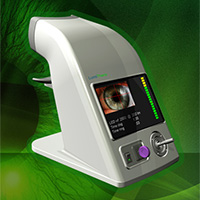 A low-level light treatment called photobiomodulation may be a future treatment for macular degeneration. A company called LumiThera is developing devices for treating vision loss. The devices expose the eye to low-level laser light or light emitting diodes to stimulate cellular function. This is called low level light therapy (LLLT). It is distinct from surgical or aesthetic laser treatments, which destroy tissue.
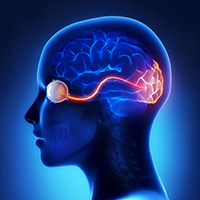 Optic neuritis is swelling and inflammation of the optic nerve that can cause eye pain, visual impairment, dull colors, and/or flashing lights. Since the optic nerve carries visual information to the brain, any symptoms of optic neuritis should be checked by a doctor immediately. If a patient has just one incident, chances are good that they will fully recover. However, inflammation of the optic nerve can be the first sign of multiple sclerosis, a serious degenerative disease.
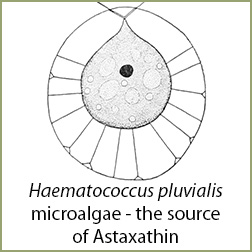 A humble micro-algae produces a powerful antioxidant: astaxanthin. It does so to protect itself from ultraviolet radiation. Research shows that astaxanthin protects the human eyes and brain from serious diseases such as age-related macular degeneration and dementia, including Alzheimer’s disease, as well as conditions like computer eye strain and eye fatigue (asthenopia)[3.
  Methylsulfonylmethane, known as MSM, is commonly utilized in the form of
  The effects of extracts of French Maritime pine bark (