
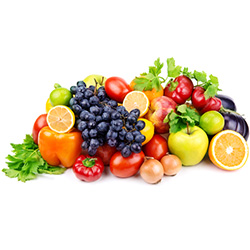
 The links between antioxidants and vision health are strong. Antioxidants are the antidote to oxidization. Normal metabolism creates free radicals. These are atoms that lack an electron. Free radicals roam about the body, scavenging electrons and stealing electrons from healthy cells. This results in permanent damage to these afflicted cells which ultimately can result in disease. Significant research has shown that antioxidants protect against this cellular damage and are essential for maintaining health. The eye is especially vulnerable to free radical damage. Therefore, providing the body with sufficient antioxidants Continue reading “Antioxidants, Eye Disease and Oxidative Stress”
Category: Antioxidants
Keep Your Eyes Young and Healthy: Avoid Cataracts, Macular Degeneration, Glaucoma
 As we age, our chances of developing a serious vision problem increase significantly. More than half of people over the age of 70 years old have an eye condition such as cataracts, glaucoma, and macular degeneration; people with diabetes often develop diabetic retinopathy. These limiting conditions decrease the quality of life. Being a retired senior means having time to enjoy life, read, travel, play golf, enjoy hobbies, and socialize with friends and family. However, participating in these activities requires clear vision.
We can learn to help preserve our vision and to become active Continue reading “Keep Your Eyes Young and Healthy: Avoid Cataracts, Macular Degeneration, Glaucoma”
Dry Eyes Respond Best to Specific Type of Omega-3 Fish Oils
 For dry eyes, not all fish oils supplements are the same. A recent study found that re-esterified triglyceride omega-3 fatty acids were superior for tackling dry eye symptoms. The triglyceride form is similar but more economical than the re-esterified triglyceride form.
Omega 3 fatty acids occur naturally in fish. These antioxidants have been shown to have significant across-the-board health benefits. Our bodies are not capable of Continue reading “Dry Eyes Respond Best to Specific Type of Omega-3 Fish Oils”
Wet Age-Related Macular Degeneration Linked to Low Antioxidant Intake
 Low antioxidant levels in eye tissue are directly correlated to incidence of macular degeneration. A small study found a relationship between low intake of antioxidants and advanced Age-Related Macular Degeneration. Macular Degeneration is an eye disease associated with aging. Many middle-aged and elderly individuals seek to prolong good vision and prevent eye disease.
Lutein and Zeaxanthin
This study looked at low intake of antioxidants with specific focus on lutein and zeaxanthin. Antioxidants fight free-radical damage. They protect the eyes and body from damage due to free radicals. Their intake was measured by the amount of fruits and vegetables consumed. Lutein and zeaxanthin are carotenoids especially important for vision. They are found in some brightly-colored produce and other foods such as eggs. Carotenoids give fruits and vegetables their color. Continue reading “Wet Age-Related Macular Degeneration Linked to Low Antioxidant Intake”
Opposite Vitamin A Recommendations for Stargardt’s Disease vs Retinitis Pigmentosa
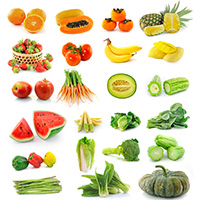 Stargardt’s Disease and Retinitis Pigmentosa are genetic eye diseases that involve the metabolism of vitamin A. However vitamin A has a different impact on the course of each disease. A recent study[1. BMC Ophthalmol. 2016; 16: 13. “Dietary profile of patients with Stargardt’s disease and Retinitis Pigmentosa: is there a role for a nutritional approach?” by Francesco Sofi et. al.] examined the total intake of vitamin A in both types of patients. It found that:
- Stargardt’s patients with high A intake had low visual acuity
- Stargardt’s patients with low A intake had better visual acuity.
- Retinitis Pigmentosa patients with low A intake had low visual acuity.
- Retinitis Pigmentosa patients with high A intake had better visual acuity
Continue reading “Opposite Vitamin A Recommendations for Stargardt’s Disease vs Retinitis Pigmentosa”
Sun Protection for the Eyes: Prevent Eye Injuries, Cataracts, ARMD, Surfer’s Eye
 The sun sustains life, but it also can harm our eyes. Unsafe sun exposure causes or may contribute to several eye conditions and diseases. It can also cause eye injuries. Earth’s ozone layer absorbs most of the ultraviolet (UV) light from the sun, but chemicals have damaged it. Therefore, we must take extra precautions to prevent cataracts, age-related macular degeneration, ocular melanoma (eye cancer), and eye injuries such as pterygium (Surfer’s Eye), photokeratitis (snow blindness), and flash blindness. The sun is also a driving hazard when low on the horizon.
The body contains its own “sunscreen,” which is melanin. Dark-skinned people have more melanin and Continue reading “Sun Protection for the Eyes: Prevent Eye Injuries, Cataracts, ARMD, Surfer’s Eye”
Saffron Helps Macular Degeneration in Six Research Studies
 Several studies have indicated saffron’s power to protect the eye from the effects of Age-Related Macular Degeneration (ARMD). This precious yellow & red spice contains the carotenoids crocin and crocetin, antioxidants that appear to protect the retina. Visual acuity has been shown to be improved in Macular Degeneration patients who take a saffron supplement. These supplements may also increase blood flow to the retinal area, improve light sensitivity, and reduce photo-oxidative damage.
Saffron comes from a crocus flower, and it is a popular food flavoring. These tiny, feather-light Continue reading “Saffron Helps Macular Degeneration in Six Research Studies”
Eye Disease in Seniors & Age 40+ Cataracts, Glaucoma, Diabetic Retinopathy, Macular Degeneration
 Middle-aged people and seniors are far more likely to develop Macular Degeneration, glaucoma, cataracts and diabetic retinopathy than those in their youth. It is true that some eye diseases strike the young. These tend to be genetically-based diseases, and they are rare. The incidence of eye diseases in the United States goes up dramatically with age: Continue reading “Eye Disease in Seniors & Age 40+ Cataracts, Glaucoma, Diabetic Retinopathy, Macular Degeneration”
AMD Research – Part 2
 Scientists are putting significant focus on Age-Related Macular Degeneration in their research. This eye disease strikes mostly older adults, over aged 50. The “Baby Boomer” generation is well above age 50, as are their living parents. Understanding the causes and potential treatments for Macular Denegation (ARMD) are important, because vision-impaired elderly people need extra help with their daily activities. Also, quality of life is lowered when vision is poor.
The macula is a tiny yellowish spot in the back of the eye, on the retina. It allows for central vision. Central vision is possible because of the macula. If it breaks down, reading, writing, watching TV, cooking, driving and even facial recognition are impaired. Macular Degeneration is degenerative, meaning that it gets worse over time.
ARMD comes in two forms. The more common Continue reading “AMD Research – Part 2”
Lutein Absorption Higher as a Solid-Lipid Particle Complex
 Lutein absorption can be improved by adding solid-lipid particles to the formula. What does that mean? Lipids are fats and solid-lipids are fats which are solid at room temperature. Researchers have noted that lutein from egg yolks is more readily absorbed than the ester form of lutein. Researchers wanted to know whether combining ester lutein with egg-like phospholipids and fatty acids would improve its absorption rate.
Lutein Absorption Studied
A pilot study found that lutein in the form of a solid-lipid particle complex appeared to be more readily absorbed than the traditional ester supplements. This supplement was prepared from enriched egg yolk. The results mean that more bio-available supplements of this important carotenoid antioxidant could come in the near future.
Research demonstrates that Lutein has a protective and supportive effect on eye health. The macula at the back of the eye is yellow due to lutein and zeaxanthin. They filter blue light, protecting the eye. Without proper intake and absorption of these two carotenoids, the eye can develop several diseases including Macular Degeneration (AMD).
The supplement is called a Continue reading “Lutein Absorption Higher as a Solid-Lipid Particle Complex”