
 Alzheimer’s Disease and Parkinson’s Disease may appear first in the eye, possibly years before the first clear symptoms of the either disease appear. This offers hope of detecting two devastating and common diseases in their earliest stages. Damage from these brain and central nervous system diseases may prove very difficult to reverse. Detecting these illnesses, which impact mostly the elderly, as early as possible could mean treatments that slow the diseases’ progress and preserve functioning. Several recent studies on the eye hold promise of reliable early detection, routine screening and therefore, early intervention.
Alzheimer’s Disease and the Eyes
A form of dementia, Alzheimer’s disease gradually diminishes Continue reading “Eye Tests Show Early Signs of Alzheimer’s Disease and Parkinson’s Disease”
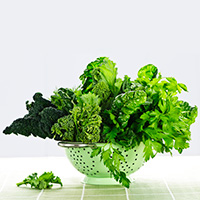 A large study found that people who ate enough leafy greens had a lower risk of getting primary open-angle glaucoma. A large body of research show the positive impact that good nutrition has on vision health. Eating sufficient amounts of vegetables provides the body with important nutrients.
 Eye health is important for quality of life. Regular exercise has many significant benefits, including supporting healthy vision. This is especially true for seniors, who are most at risk for eye disease. While you cannot control all risk factors, sedentary behavior is a risk factor you CAN control. Avoiding tobacco and eating a healthy diet are also under your control. Genetics have an influence: a much higher percentage of African Americans have vision loss from glaucoma; non-Hispanic Whites top the charts in Age-Related Macular Degeneration vision loss[1. https://www.aao.org/eye-disease-statistics ].
 For dry eyes, not all fish oils supplements are the same. A recent study found that re-esterified triglyceride omega-3 fatty acids were superior for tackling dry eye symptoms. The triglyceride form is similar but more economical than the re-esterified triglyceride form.
 Lifestyle can have a significant impact on the progression of glaucoma. Patients should follow their ophthalmologist’s advice. Also, research has shown that certain behavioral changes can help preserve vision. Natural Eye Care offers these tips.
 Macular edema is a swelling of the macula, the part of the eye responsible for central vision. When fluid builds up in the macula, it becomes swollen and thicker. This distorts vision. There are several causes, including diabetic retinopathy, post-eye surgery complications, macular degeneration, injury, systemic inflammatory diseases that can affect the eye, and/or vein blockages. If an eye disease causes damage to blood vessels in the retina, it can cause macular edema. Left untreated, this problem can cause serious vision loss and even blindness.
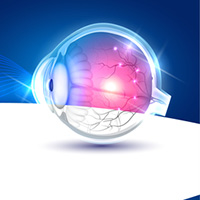 Cell Cure Neurosciences in Jerusalem has developed a proprietary stem cell technology that may halt the progress of Age-Related Macular Degeneration. OpRegen[1. https://www.cellcureneurosciences.com/] is currently being tested on patients with the more advanced “wet” form of this disease. If it works out, the technique could ultimately be available to patients with the more common “dry” form of
 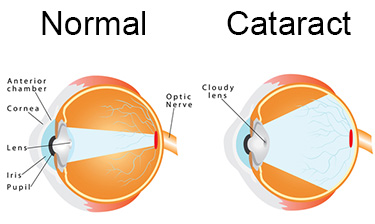 A breakthrough operation has regenerated the lenses of 12 children using stem cells. Cataracts are a clouding of the lens that typically occurs in the elderly. It is the leading cause of blindness (left untreated).
 Acupuncture has been used for millennia to treat eye disease. Today, acupuncture can help preserve vision for those with a wide range of eye conditions including macular degeneration, glaucoma, eye floaters, dry eyes, cataracts and much more. Part of Traditional Chinese Medicine, acupuncture involves a practitioner inserting tiny needles into the skin. It is licensed and regulated by most states in the US. How does acupuncture work, and what are its effects on supporting eye conditions? What could you expect from acupuncture treatments? What can you do at home?
 Low antioxidant levels in eye tissue are directly correlated to incidence of macular degeneration. A small study found a relationship between low intake of antioxidants and advanced Age-Related Macular Degeneration. Macular Degeneration is an eye disease associated with aging. Many middle-aged and elderly individuals seek to prolong good vision and prevent eye disease.