
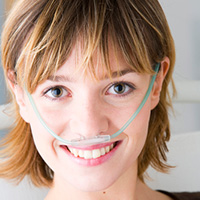
 The role of supplemental oxygen in diabetic macular edema was the subject of a pilot study in 2004. Diabetic macular edema or DME is a side-effect of diabetes. DME occurs when retinal blood vessels leak into the macula apparently trying to provide more oxygen to the retina. This leakage causes swelling, which, in turn, causes part of central vision to become blurred.
Oxygen Therapy
The study gave 5 DME patients supplemental oxygen using a standard oxygen supplying device called a nasal cannula (see photo). The patients were tested before, during and after three months of oxygen therapy. The results showed a significant reduction in excess foveal thickness and Continue reading “Diabetic Macular Edema and Supplemental Oxygen”

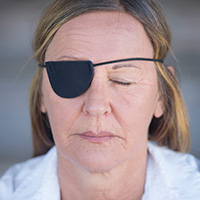 Cornea transplant surgery involves removing a damaged or diseased cornea, and replacing it with tissue from a deceased donor. All or part of the cornea may be replaced. In the United States, eye surgeons do approximately 33,000 corneal transplants (keratoplasty) per year. The surgery might be recommended if vision is seriously impaired by scarring from an injury, or eye diseases such as Fuchs’ Dystrophy, Lattice Dystrophy, or Keratoconus.
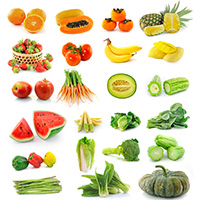 Stargardt’s Disease and Retinitis Pigmentosa are genetic eye diseases that involve the metabolism of vitamin A. However vitamin A has a different impact on the course of each disease. A recent study[1. BMC Ophthalmol. 2016; 16: 13. “Dietary profile of patients with Stargardt’s disease and Retinitis Pigmentosa: is there a role for a nutritional approach?” by Francesco Sofi et. al.] examined the total intake of vitamin A in both types of patients. It found that:
 Patients with early Age-Related Macular Degeneration (AMD) improved when taking a combination of nutrients. The nutrients were acetyl-L-carnitine, omega-3 fatty acids, and coenzyme Q10.[1. Ophthalmologica. 2005 May-Jun;219(3):154-66. “Improvement of visual functions and fundus alterations in early age-related macular degeneration treated with a combination of acetyl-L-carnitine, n-3 fatty acids, and coenzyme Q10.” Feher J et. al.]
 Astaxanthin is an extremely powerful antioxidant that is sometimes overlooked. It protects the body from free radical damage. Ten times more powerful than beta-carotene, astaxanthin is a carotenoid that can cross the blood-brain barrier[1. Tso and Lam 1996]. This means it can reach the retina and macula of the eye.
 The sun sustains life, but it also can harm our eyes. Unsafe sun exposure causes or may contribute to several eye conditions and diseases. It can also cause eye injuries. Earth’s ozone layer absorbs most of the ultraviolet (UV) light from the sun, but chemicals have damaged it. Therefore, we must take extra precautions to prevent cataracts, age-related macular degeneration, ocular melanoma (eye cancer), and eye injuries such as pterygium (Surfer’s Eye), photokeratitis (snow blindness), and flash blindness. The sun is also a driving hazard when low on the horizon.
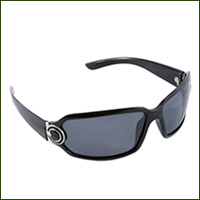 Sunglasses are the primary way to protect your eyes from the hazards of excess sunlight. Ultraviolet (UV) light from the sun can cause cataracts and macular degeneration, serious eye diseases. It can also cause growths on the eye, eye cancer, retinal burns, and
 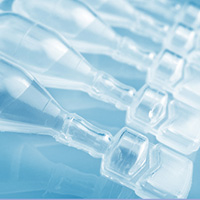 A homeopathic eye drop called Pleo-MUC (Mucokehl) is designed to increase circulation and reduce congestion in the eye. The drops are aimed at helping dry, irritated eyes. They are indicated for cataracts, glaucoma, dry eye syndrome and conjunctivitis.
 Several studies have indicated saffron’s power to protect the eye from the effects of Age-Related Macular Degeneration (ARMD). This precious yellow & red spice contains the carotenoids crocin and crocetin, antioxidants that appear to protect the retina. Visual acuity has been shown to be improved in Macular Degeneration patients who take a saffron supplement. These supplements may also increase blood flow to the retinal area, improve light sensitivity, and reduce photo-oxidative damage.