
 Rod-Cone Dystrophy is a genetically-based deterioration of vision caused by damage to the photoreceptors in the eye. Rods and cones are the photoreceptor cells in the retina that give us daytime and night time vision. Genes that provide the blueprint for manufacturing proteins crucial to the eye’s rods and cones are damaged. Without enough of these proteins, vision deteriorates and blindness may result.
Much of the current research into rod-cone dystrophy is focused on genetic research. Scientists are busy identifying the faulty genes and how they function. Stem cells or other genetic therapy offers hope for a treatment and possibly cure in the future. In the meantime, nutritional and lifestyle choices may Continue reading “Rod-Cone Dystrophy – A Complete Overview by Natural Eye Care”
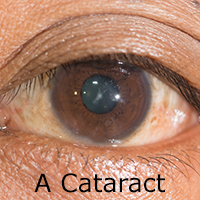 In the United States, cataract surgery is widely available. Cataracts mostly affects seniors. Even though the surgery is common with little risk of side-effects, some patients want to hold off on the surgery or avoid it completely. Preliminary research on certain eye drops designed to address cataracts may offer hope to these patients.
 An animal study has shown gene therapy to be effective even in the later stages of retinitis pigmentosa, which gives hope to more patients of this often inherited condition. This eye disease affects approximately 1 in 4,000 people. Up to 20% of these patients have X-linked retinitis pigmentosa. These individuals, mostly male, have night blindness before they enter puberty, and gradual vision loss by middle age. Around 70% of them have a genetic mutation that prevents the correct production of a protein important for the health of the photo receptors.
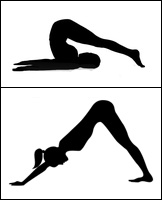 Yoga is generally considered a perfect exercise for overall health; however, head-down positions may be harmful to glaucoma patients. A small study at a yoga studio found that positions that put the head downward increased intraocular pressure. The positions studied were Adho Mukha Svanasana, Uttanasana, Halasana and Viparita Kirani.
 Scientists are putting significant focus on Age-Related Macular Degeneration in their research. This eye disease strikes mostly older adults, over aged 50. The “Baby Boomer” generation is well above age 50, as are their living parents. Understanding the causes and potential treatments for Macular Denegation (ARMD) are important, because vision-impaired elderly people need extra help with their daily activities. Also, quality of life is lowered when vision is poor.
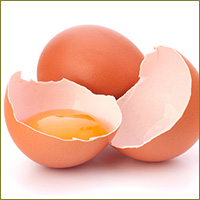 Lutein absorption can be improved by adding solid-lipid particles to the formula. What does that mean? Lipids are fats and solid-lipids are fats which are solid at room temperature. Researchers have noted that lutein from egg yolks is more readily absorbed than the ester form of lutein. Researchers wanted to know whether combining ester lutein with egg-like phospholipids and fatty acids would improve its absorption rate.
 Age-Related Macular Denegation is a significant cause of vision loss that can often be managed and even improved through targeted nutritional support. It affects mostly people over age 50. While the precise cause of ARMD is not clear, oxidative damage is suspected as being a major factor. It strikes the elderly possibly due to poor diet and nutritional intake over a lifetime, less efficient absorption of nutrients and poor circulation as the body ages. The care needed by vision-impaired elderly could become overwhelming. Let’s take a look at some of the newest research in preventing macular degeneration, as well as treatment and support options.
 Antioxidants have been studied as a way of preventing eye diseases such as macular degeneration and cataracts. Oxidative damage (free radical damage) may be a contributing cause of these diseases. People concerned about developing these problems may consider taking both dietary and supplemental
 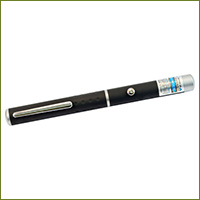 Lasers are common in toys and laser pointers, but improper use can result in vision damage or accident-causing temporary blindness. The US Food and Drug Administration regulates lasers, and they classify them according to strength. The stronger they are, the more damage they can do.
 Chinese scientists have identified nutrients that come from marine algae that may prove to provide even better support for vision health problems due to