
 Carotenoid supplements could mitigate the deleterious effects of electronics screens on sleep, visual performance, and macular pigment density. Eyes that are glued to screens most of the day are exposed to excessive blue light. In a recent study[1. J.M. Stringham, N.T. Stringham, et al. “Macular Carotenoid Supplementation Improves Visual Performance, Sleep Quality, and Adverse Physical Symptoms in Those with High Screen Time Exposure,” Foods, June, 2017], subjects who took a combination of macular carotenoids — lutein, zeaxanthin, and mesozeaxanthin — reported better sleep patterns, reduced eyestrain and fewer headaches. They also had better visual performance and higher macular pigment optical density. Continue reading “Screen Damage Mitigated by Carotenoids Supplement”
Category: Meso-zeaxanthin
Antioxidants, Eye Disease and Oxidative Stress
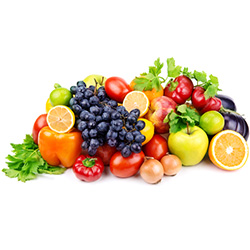 The links between antioxidants and vision health are strong. Antioxidants are the antidote to oxidization. Normal metabolism creates free radicals. These are atoms that lack an electron. Free radicals roam about the body, scavenging electrons and stealing electrons from healthy cells. This results in permanent damage to these afflicted cells which ultimately can result in disease. Significant research has shown that antioxidants protect against this cellular damage and are essential for maintaining health. The eye is especially vulnerable to free radical damage. Therefore, providing the body with sufficient antioxidants Continue reading “Antioxidants, Eye Disease and Oxidative Stress”
AMD Research: Part 1
 Age-Related Macular Denegation is a significant cause of vision loss that can often be managed and even improved through targeted nutritional support. It affects mostly people over age 50. While the precise cause of ARMD is not clear, oxidative damage is suspected as being a major factor. It strikes the elderly possibly due to poor diet and nutritional intake over a lifetime, less efficient absorption of nutrients and poor circulation as the body ages. The care needed by vision-impaired elderly could become overwhelming. Let’s take a look at some of the newest research in preventing macular degeneration, as well as treatment and support options.
Symptoms & Diagnosis
Central vision is possible because of the macula. It is a small, yellow-colored Continue reading “AMD Research: Part 1”
Can Oxidative Damage Cause Macular Degeneration and Cataracts?
 Antioxidants have been studied as a way of preventing eye diseases such as macular degeneration and cataracts. Oxidative damage (free radical damage) may be a contributing cause of these diseases. People concerned about developing these problems may consider taking both dietary and supplemental antioxidants, such as fruits, vegetables, and supplements like lutein, zeaxanthin, glutathione, Continue reading “Can Oxidative Damage Cause Macular Degeneration and Cataracts?”
Computers & Your Eyes II: How Blue Light Damages Vision
 Blue light is emitted from all handheld electronic devices as well as desktop and laptop computers and televisions. It is the shortest wave length light in the visible spectrum and causes significant damage to many parts of the eye seriously impacting present and future vision capacity. Damage from blue light from smartphones is particularly important because smartphones are often used in dim light and are used close to the eyes. Unlike ordinary computer vision fatigue, damage from blue light is serious, cumulative and irreversible. Continue reading “Computers & Your Eyes II: How Blue Light Damages Vision”
Meso-zeaxanthin and Macular Degeneration Prevention
Meso-zeaxanthin and Macular Degeneration Prevention
A supplement of meso-zeaxanthin may bolster macular pigment optical density (MPOD), according to researchers from Florida International University (Nutr Metab . 2007;4:12) (DOI:10.1186/1743-7075-4-12). Lutein and zeaxanthin have been the primary focus of research trials exploring how the xanthophyll carotenoids can support macular pigment and possibly prevent onset of age-related macular degeneration (AMD). Meso-zeaxanthin is the third major carotenoid found in macular pigment.
Update on Meso-Zeaxanthin
A new study, known as Meso-zeaxanthin ocular supplementation trial (MOST), begins in late March 2010 and the clinical research team are currently recruiting suitable candidates. The specialists involved in the trial are research experts in this area of eye disease. The trial requires 60 patients who have been diagnosed with early AMD. After a complimentary eye screening by an IVR Ophthalmologist, suitable candidates will be enrolled into the trial and provided with a 12-month course of dietary supplements containing the macular pigments.
For further information on AMD or on the MOST trial being conducted at the Institute of Vision Research, please contact: Eithne Connolly, Clinical Research Technician, on 051 302153 or at eithneativr.ie
Editor’s Note: Recent studies have shown that the carotenoid mesozeaxanthin, in the family of lutein and zeaxanthin, is used as an antioxidant directly in the center of the retina. Hopefully this study will further confirm that this nutrient along with a family of other essential nutrients helps preserve vision for those with macular degeneration.