
Protection Against Sun Exposure
 Summertime is here, and it is great to be outdoors enjoying the wonderful weather. Some daily exposure to sunlight helps build up Vitamin D in the body and is good for eye health, but excessive exposure can lead to skin damage, skin cancer, and even promote eye disease which may include macular degeneration, other retinal disorders, and cataracts. Ongoing exposure to blue light increases the risk of neovascular (wet) macular degeneration, particularly associated with low levels of antioxidants, and especially low levels of vitamin C and zeaxanthin.[1. Fletcher, A.E., Bentham, G.C., Agnew, M., Young, I.S., Augood, C., et al. (2008). Sunlight exposure, antioxidants, and age-related macular degeneration. Arch Ophthalmol, Oct;126(10):1396-403.] Another study suggested that extended exposure to sunlight outdoors may be associated with age-related maculopathy.[2. Cruickshanks, K.J., Klein, R., Klein, B.E. (1993). Sunlight and age-related macular degeneration. The Beaver Dam Eye Study. Arch Ophthalmol. 111(4):514-518.] Continue reading “Add Nutritional Sun Protection to Your Summer”
 Lutein, zeaxanthin, and meso-zeaxanthin are potent antioxidants found in green leafy vegetables, eggs, corn and even chocolate. They have a profound effect on preserving healthy vision, brain function, the immune and cardiovascular systems.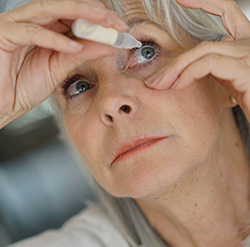
 Does Sunlight Danger Outweigh the Benefits?
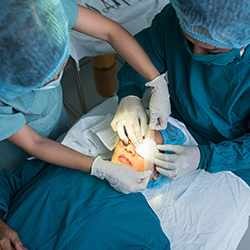 Cataracts are one of the most common eye conditions among seniors. A cataract results in clouding the vision, and eventually causes blindness if not treated. The conventional approach to cataracts is to wait and see if it gets worse. When a cataract is advanced, an eye surgeon usually offers cataract surgery. Cataract surgery uses artificial lenses that correct any clouding due to a cataract. It can correct certain refraction errors at the same time. However, not everyone is a good fit for this treatment. Which nutrients help promote healthy lenses and overall eye health? What does recent research into cataract pharmacotherapy show? And, which combinations of nutrients are the most effective for lens support?
 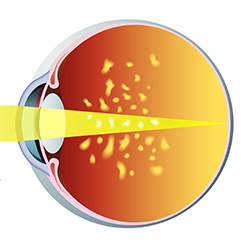 Have you ever noticed specks or clouds in your field of vision? They are most likely eye floaters. Floaters can look like cobwebs, blobs, dots, or little insects that float around. Eye floaters can be semi-transparent or darker. If you have them, they are more noticeable in certain lighting conditions, such as bright sunlight. You might not notice them at all unless you are looking for them.
 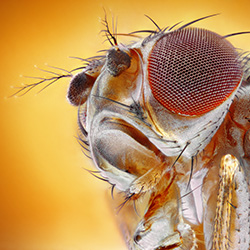 Findings from a recent study suggest that blue light, the same light emitted from smartphones and fluorescent light bulbs, causes brain damage and premature aging in fruit flies.
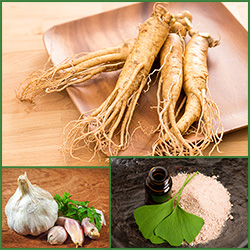 Three time-tested supplements stand out as champions for eye and brain health: garlic, ginseng, and ginkgo. Research on these supplements backs up why they have been used for thousands of years. Garlic plays an important role in all three major traditional medicines–Traditional European Herbal Medicine, Ayurveda, and Traditional Chinese Medicine. Ginseng and ginkgo are crucial herbs in Traditional Chinese Medicine. Do these supplements work? Are they beneficial for aging brains and eyes? What does the research show?
 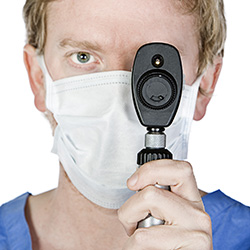 Cataracts can not only be prevented, but can even be reversed through nutrition, supplementation and lifestyle changes. Learn about
 Astaxanthin is a potent antioxidant that helps prevent sun damage to the body by blocking free radical damage. This bright red molecule forms in certain algae, pink seafood, and yeast. Unlike beta-carotene, this carotenoid crosses the blood-brain barrier to help maintain healthy brain function. Astaxanthin helps the brain by promoting neurogenesis, the generation of new brain neurons. This nutrient also supports existing neurons by reducing oxidative stress. Scientists have found that astaxanthin can protect against cumulative sun damage to the eye. This nutrient may help reduce the risk of eye disease such as macular degeneration. It may also protect against cataracts and vision loss from glaucoma. In addition, related carotenoids called lutein and zeaxanthin block blue light and work synergistically with astaxanthin.