
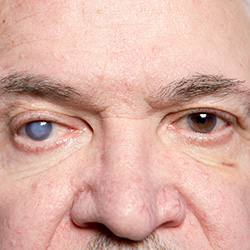
 A study conducted in North India found that people with low levels of antioxidants had higher levels of cataracts.[1. Dherani M, Murthy GV, Gupta SK, et al. Blood levels of vitamin C, carotenoids and retinol are inversely associated with cataract in a North Indian population. Invest Ophthalmol Vis Sci 2008;49(8):3328-35.] A meta-analysis in 2015 found that too little vitamin E increased the risk of developing cataracts.[2. Zhang, Y., Jiang, W., Xie, Z, Wu, W., Zhang, D. (2015). Vitamin E and risk of age-related cataract: a meta-analysis. Public Health Nutr, Oct;18(15):2804-14.] Diabetes and fluctuations in blood sugar levels are risk factors for cataracts. Cataracts are the leading cause of total blindness in the world. Whether you have access to cataract surgery or not, prevention is better than disease. Scientists have studied specific nutrients and their links to cataract formation. What can you do to help prevent cataracts? Which fruits, vegetables, and other foods reduce cataract risk? If you have already developed cataract, can you do anything? Continue reading “Low Antioxidant Levels Tied to Cataracts”
Category: Cataracts
Phytonutrients for Your Eyes and Brain: Love Your Fruits and Vegetables

Mother always told you to eat your fruits and vegetables – but why? Modern researchers are finding more and more about antioxidants for health. Scientists publish mountains of peer-reviewed research a year on antioxidants found in fruits and veggies. One type of antioxidant is called “phytonutrients.” Found in plant pigments, phytonutrients are especially good for the eyes and brain. How do phytonutrients slow the impact of aging and reduce disease risk? Which foods contain significant amounts of the best types of phytonutrients?
Continue reading “Phytonutrients for Your Eyes and Brain: Love Your Fruits and Vegetables”
N-Acetyl-Carnosine Eyedrops and Cataract Management
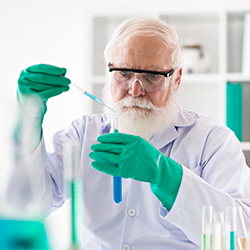
N-Acetyl-Carnosine eyedrops have been shown to stabilize, protect against, and even improve cataracts. Carnosine, found in muscle and brain tissue, is a dipeptide composed of the amino acids beta-alanine and histidine. Researchers have studied carnosine in its various forms for decades. Its positive effects on cataracts are being revealed by numerous studies.
Continue reading “N-Acetyl-Carnosine Eyedrops and Cataract Management”
Gene Therapy Might Cure Type II Diabetes
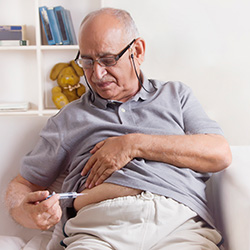
Studies on mice at the Universitat Autònoma de Barcelona (UAB) may lead to an injection that cures Type II Diabetes. This metabolic disorder affects overweight and obese people, due to insulin resistance. The body needs more and more insulin to maintain steady blood sugar, and the pancreas cannot keep up. Diabetes can lead to eye disease in the form of diabetic retinopathy. The chances of developing floaters, cataracts, nerve damage, and glaucoma are higher. Diabetes also causes stroke, amputations, coma, and even death.
The researchers, led by Professor Fátima Bosch, introduced into the mice a gene that creates the FGF21 protein Continue reading “Gene Therapy Might Cure Type II Diabetes”
New Blue Light Protecting and Night Vision Supplement Package
 Natural Eye Care has announced a new supplement package aimed at protecting the eyes from blue light damage and supporting night vision. A significant body of scientific research has shown that the ingredients are helpful to the eyes. The “Blue Light Protecting/Night Vision Supplement Package” contains two formula with specific nutrients to help protect the eyes from blue light and UVA exposure (as well as supporting overall eye health): Dr. Grossman’s Advanced Eye and Vision Support Eye Formula and Astaxanthin in a therapeutic dose. Continue reading “New Blue Light Protecting and Night Vision Supplement Package”
Hormones Influence Blood Flow and Eye Disease
 Managing hormones and vascular disease risk could help prevent eye diseases associated with aging. Impaired blood flow is suspected of contributing to several major eye diseases. Glaucoma, diabetic retinopathy, and Age-related Macular Degeneration (ARMD) are all associated with reduced blood flow to the eyes. These eye diseases mostly strike seniors. As we age, our vascular health suffers. The arteries tend to become narrower and even blocked. Therefore, seniors could see benefits to their eyes by improving their vascular health. Continue reading “Hormones Influence Blood Flow and Eye Disease”
Sunglasses for Driving: Protect the Eyes and Increase Safety
 Whenever the sun is shining, drivers need to wear sunglasses. Glare from the sun is unsafe and can cause accidents. The eyes are vulnerable to damage from sunlight. Which types of sunglasses are best for driving? How do sunglasses protect the eyes?
Driving Safety
New drivers have the mantra drilled into them: “Hands on the wheel, eyes on the road.” Bright sunlight streaming through the windshield is hard on the eyes. Even a slightly Continue reading “Sunglasses for Driving: Protect the Eyes and Increase Safety”
Which Parts of the Eyes Are Associated with Which Eye Diseases?
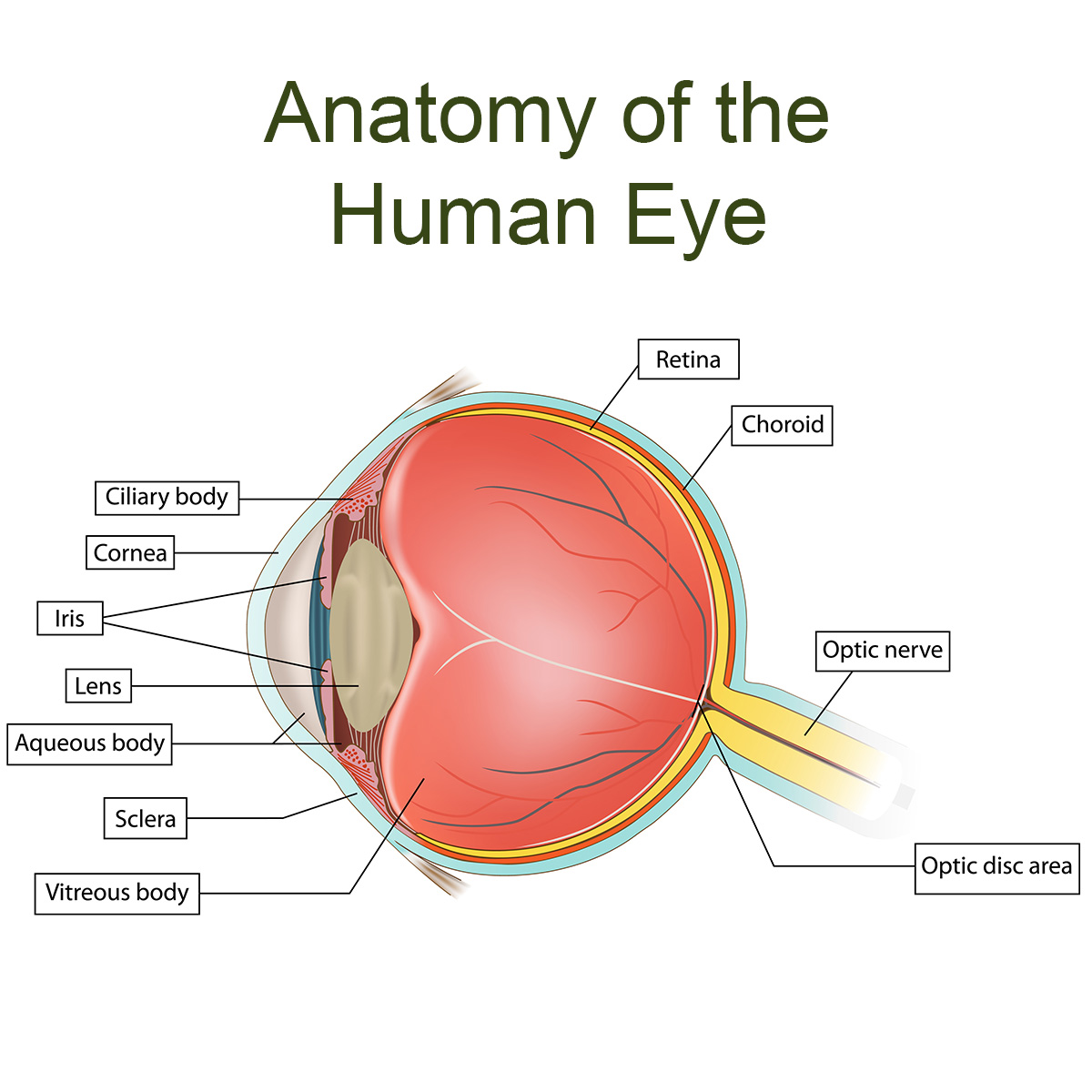 The eyes are small, but they have many parts including the eyelids, sclera, cornea, lens, optic nerve and retina. We depend heavily on our vision. When something goes wrong, the eyes are disproportionately affected. For example, a senior at risk of heart disease is also at risk of an ocular arterial or vein occlusion. Also, the macula requires a yellow-colored nutrient (lutein and zeaxanthin) found in certain vegetables such as green leafy vegetables, red, yellow and green peppers, corn and eggs. And antioxidants found in fresh fruits and vegetables have been shown to reduce oxidative eye damage and eye disease. Continue reading “Which Parts of the Eyes Are Associated with Which Eye Diseases?”
What is Dr. Grossman’s Advanced Eye & Vision Support Formula?
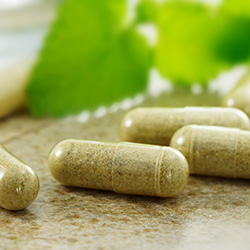 Eye vitamins are crucial to vision health. In fact, the eye is the most vitamin-hungry organ in the body proportional to its size. It is the second most physiologically active part of our body only second to our brain. We believe the eyes require approximately 25% of the nutrients taken into the body to maintain full health. Any less may eventually result in eye diseases such as macular degeneration, glaucoma and cataracts.
Many seniors suffer from these eye diseases. A lifetime of eye stressors, including excessive sunlight and poor diet, catches up with seniors. They also have less efficient digestion, poorer circulation and may have risk factors such as diabetes, long-term smoking, and lack of exercise. Dr. Grossman, a New York-based Continue reading “What is Dr. Grossman’s Advanced Eye & Vision Support Formula?”
Can You Prevent or Reverse Cataracts?
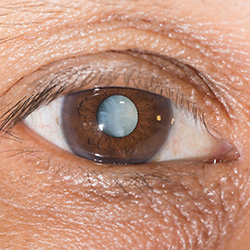 Is it possible to prevent cataracts, or even reverse cataracts? Can you put off cataracts surgery? Cataracts are one of the most common eye diseases in seniors. More and more people have a special “glint” in their eye when the light hits the lens just right. What is the value of preventing cataracts and other eye diseases? Continue reading “Can You Prevent or Reverse Cataracts?”