
 Lifestyle can have a significant impact on the progression of glaucoma. Patients should follow their ophthalmologist’s advice. Also, research has shown that certain behavioral changes can help preserve vision. Natural Eye Care offers these tips.
Get Moving to Fight Glaucoma
If you are sedentary and have a glaucoma diagnosis, you can expect strong benefits from becoming active. A meta analysis[1. Clin J Sport Med. 2014 Sep;24(5):364-72. doi: 10.1097/JSM.0000000000000073. Reductions in intraocular pressure after acute aerobic exercise: a meta-analysis. By Roddy G et. al.] showed that exercise reduced intraocular pressure in patients. The effect was largest on those who were sedentary Continue reading “Glaucoma Tips Based on Current Research Studies”
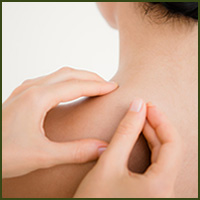 Acupuncture has been used for millennia to treat eye disease. Today, acupuncture can help preserve vision for those with a wide range of eye conditions including macular degeneration, glaucoma, eye floaters, dry eyes, cataracts and much more. Part of Traditional Chinese Medicine, acupuncture involves a practitioner inserting tiny needles into the skin. It is licensed and regulated by most states in the US. How does acupuncture work, and what are its effects on supporting eye conditions? What could you expect from acupuncture treatments? What can you do at home?
 Astaxanthin is an extremely powerful antioxidant that is sometimes overlooked. It protects the body from free radical damage. Ten times more powerful than beta-carotene, astaxanthin is a carotenoid that can cross the blood-brain barrier[1. Tso and Lam 1996]. This means it can reach the retina and macula of the eye.
 A homeopathic eye drop called Pleo-MUC (Mucokehl) is designed to increase circulation and reduce congestion in the eye. The drops are aimed at helping dry, irritated eyes. They are indicated for cataracts, glaucoma, dry eye syndrome and conjunctivitis.
 Middle-aged people and seniors are far more likely to develop Macular Degeneration, glaucoma, cataracts and diabetic retinopathy than those in their youth. It is true that some eye diseases strike the young. These tend to be genetically-based diseases, and they are rare. The incidence of eye diseases in the United States goes up dramatically with age:
 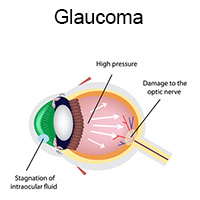 A new “smart” contact lens has been shown to detect accurately intraocular pressure in glaucoma patients. This technology may be useful for predicting which patients are deteriorating rapidly. Their treatment plan can be modified accordingly to help preserve more vision.
 Retinal Vein Occlusion is the blockage of veins that drain blood from the retina in the eye. The eye circulatory system depends on releasing blood back to the heart after it has nourished the retina. When the vein is blocked, hemorrhaging occurs, damaging the retina. It is typically caused by atherosclerosis, a common condition especially in older people that damages the arteries. “Occlusion” means the blockage or closing of a blood vessel.
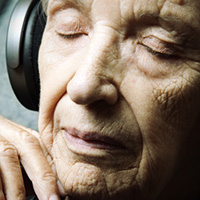 A small study on glaucoma patients found that relaxation music temporarily improved certain measurements associated with this eye disease. Specifically, daily intraocular pressure was significantly reduced, and best corrected visual acuity improved. Also, short-term mental state was improved.
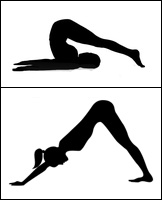 Yoga is generally considered a perfect exercise for overall health; however, head-down positions may be harmful to glaucoma patients. A small study at a yoga studio found that positions that put the head downward increased intraocular pressure. The positions studied were Adho Mukha Svanasana, Uttanasana, Halasana and Viparita Kirani.