
 This month, we’re focusing on understanding macular degeneration and the importance of early detection. We will explore natural approaches to manage this eye disease and support healthy vision.
Macular Degeneration is a leading cause of vision loss, primarily affecting central vision, and can lead to blindness if not properly managed. The macula is a yellowish spot at the center of the retina, where vision is sharpest. While genetics can play a role, macular degeneration often appears in those over 50 due to essential nutrients not reaching the eyes, particularly the retina. Factors like a sedentary lifestyle, poor diet, reduced nutrient absorption, certain medication side-effects, and health issues such as poor circulation and chronic inflammation can contribute to this condition.
Continue reading “February: Macular Degeneration Awareness Month”
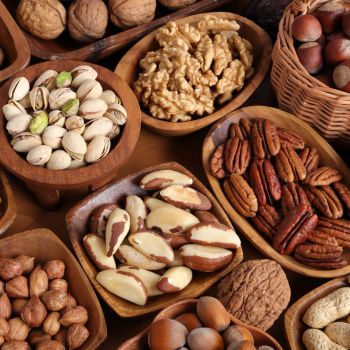 Neuroinflammation is inflammation of the brain or spinal cord. It’s a defensive response to injury, infection, or illness. Neuroinflammation is beneficial after, for example, a spinal cord injury.[1.
 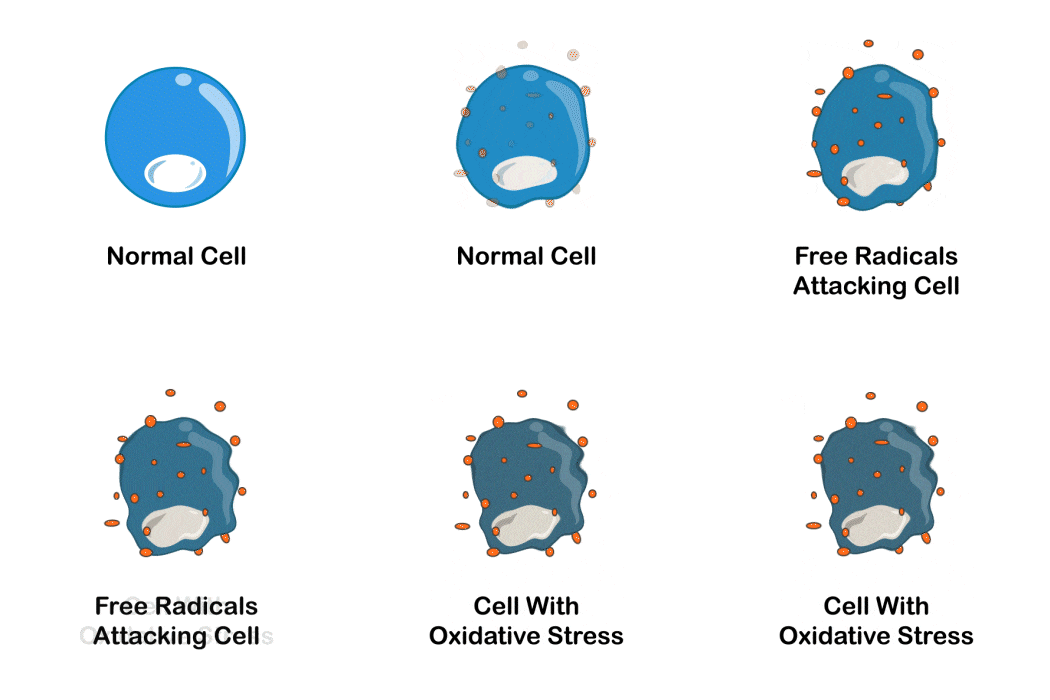 Oxidative stress significantly affects health and vision. It is a process in which free radicals are produced, leading to potential harm as these unstable molecules steal electrons from healthy cells. This oxidative damage can manifest visibly as aging skin and ocular changes, such as cataract formation. However, oxidation is not the only factor contributing to accelerated aging and eye conditions; poor circulation and insufficient essential nutrients also play important roles.
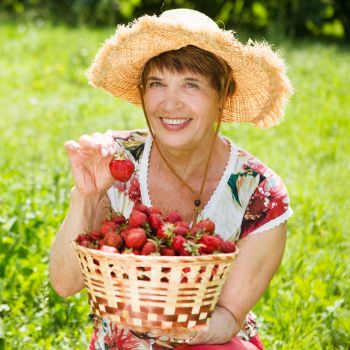 Glaucoma is a severe eye disease linked to high intraocular pressure. How can you regulate eye pressure? If you have a glaucoma diagnosis, the eye doctor often prescribes eye drops to lower intraocular pressure (IOP). Is there anything additional that you can do to help keep your IOP lower?
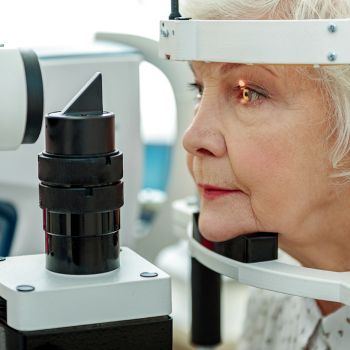 January is Glaucoma Awareness Month—a time to shed light on an eye disease that is a leading cause of irreversible blindness in the US. Seniors are especially at risk. Glaucoma, often dubbed “the silent thief,” primarily impacts peripheral vision. Severe and untreated cases can lead to blindness. This stealthy eye disease can progress unnoticed until it is quite advanced, making early detection vital. While it predominantly affects older adults, glaucoma can occur at any age, underscoring the importance of regular, comprehensive eye exams. Find out about symptoms, screening, causes, and nutrients that fight glaucoma.
 Merry Christmas, Happy Hannukah, and Heri za Kwanzaa to all! The holiday season means celebrating and feasting with family and friends. However, the holidays can also stress out your body and mind. Natural Eye Care offers these health tips for the holiday season.
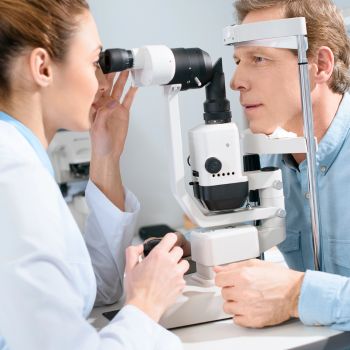 The cornea plays a crucial role in our vision. It is the transparent tissue at the front of the eyeball where light enters the eye. Approximately 65% to 75% of the refraction of light occurs in the cornea. The cornea also protects against external threats and harmful UV radiation. However, this vital part of our eye is constantly under siege. The cornea faces oxidative stress daily due to its high exposure to light and intense metabolic activity. The main culprit is ultraviolet radiation from the sun, which triggers the formation of Reactive Oxygen Species (ROS). These harmful free radicals can wreak havoc on the cells if not kept in check by antioxidants. While the cornea absorbs all UVC and most UVB rays, UVA rays are primarily absorbed by the lens.
 Did you know that your daily habits affect your eyes and brain? As our population ages, more effort is needed to support seniors’ eyes, brains, and overall health. Research shows that a balanced diet, regular exercise, meaningful social interactions, and targeted supplements can have a significant impact. Remember, your retina and optic nerves are essentially brain tissue, meaning the nutrients that nourish your brain also bolster your vision. Read on to discover some of the latest research in this field.
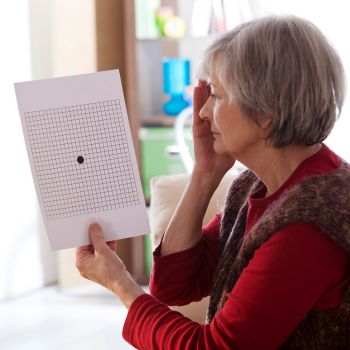 Macular degeneration is also known as AMD, which is an acronym for “Age-Related Macular Degeneration.” It is the leading cause of irreversible blindness. Limited conventional treatments are available. However, natural remedies can go a long way toward reducing the risk of AMD onset. They can help prevent AMD from progressing to the point of vision loss. And, in many cases, lifestyle considerations and targeted supplementation can improve vision loss from AMD.
 Senior citizens have the highest rates of eye issues and conditions. This includes macular degeneration, glaucoma, cataracts, diabetic retinopathy, dry eyes, poor night vision and eye floaters. These diseases and conditions can also happen in much younger people. You get most of your sensory input through vision. Healthy vision is essential for daily functioning, independence and high quality of life.