
 DHA is one of the omega-3 fatty acids that nutritionists implore us to eat. Why are grilled salmon and canned tuna part of nearly every diet and nutrition plan? Fatty fish is just one good source of DHA and other crucial nutrients. Find out how omega-3 fatty acids reduce chronic inflammation and help prevent diseases such as macular degeneration (ARMD), glaucoma, and diabetes. Pregnant people need omega-3’s to help the fetus develop. How much omega-3 fatty acids should you eat? And how do you balance them with omega-6 fatty acids, found in refined foods and certain meats? Continue reading “DHA is a Crucial Omega-3 Fatty Acid”
Category: Dementia
Physical Exercise Reduces Eye Disease and Dementia
 Physical exercise is vital for eye health and overall health. Research shows the positive impacts of exercise on common eye conditions. What is the intricate relationship between exercise and eye health? Can regular physical activity reduce the risk of age-related eye diseases? What role does nutrition play? And, can physical exercise help stave off neurological disease, heart disease, and other chronic illnesses associated with aging? At Natural Eye Care, we want to support you with knowledge and practical tips for getting the exercise you need. Continue reading “Physical Exercise Reduces Eye Disease and Dementia”
Heavy Metal Contamination in Chocolate – Mercury and Lead Harm the Brain
 Chocolate stands alone as both a tasty confection and a healthy food. However, a recent Consumer Reports study found that heavy metals contaminate many brands of chocolate. Cadmium and lead pose health risks, especially neurological health. This includes Alzheimer’s Disease and other forms of dementia. Why is chocolate—especially dark chocolate—considered to be healthy? Why is chocolate contaminated? And how can you find chocolate that is safest to eat? Continue reading “Heavy Metal Contamination in Chocolate – Mercury and Lead Harm the Brain”
Why Alzheimer’s Disease is Visible in the Eyes
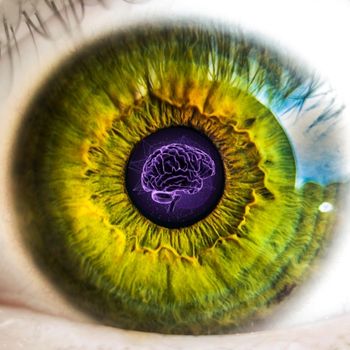 The eyes and the brain are more closely linked than you might realize. Amyloid-beta plaque, the hallmark of Alzheimer’s disease, starts building up in the eyes for a long time before obvious symptoms of dementia appear. Early detection of this brain disease is crucial for slowing its progression. Doctors can screen for Alzheimer’s disease by running a retinal scan. Why? The eyes are neural tissue. Therefore, what is good for the eyes is also good for the brain.
Based on scientific research, Natural Eye Care has recommendations for keeping both your brain and your eyes healthier as you age. We take a holistic approach to Alzheimer’s prevention and management. Early detection, lifestyle, nutrition, and exercise are all important to healthy aging.
The Eyes Mirror The Brain
Why Does Alzheimer’s Show Up in the Eyes? Continue reading “Why Alzheimer’s Disease is Visible in the Eyes”
Sleep Is Fundamental for the Eyes, Brain and Overall Health
 Getting enough sleep is crucial to your daily life and long-term health. However, many seniors struggle to get sufficient sleep. They also may have difficulty with the quality of sleep. What do the statistics show? How bad is sleep deprivation for your health? And what are some natural solutions?
Shocking Sleep Statistics
Sleep comes naturally. So why do we see these shocking sleep statistics? Continue reading “Sleep Is Fundamental for the Eyes, Brain and Overall Health”
Natural Eye Care Michael Edson’s Alzheimer’s Article in the Townsend Letter
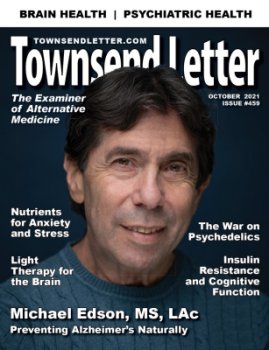 The latest Townsend Letter features co-owner of naturaleyecare.com Michael Edson, L.Ac., MS and his article, Underlying Causes and Natural Treatments for Alzheimer’s and Dementia.
The publisher’s discussion of Michael’s article also mentions that studies report that the Tdap (Tetanus, diphtheria, and pertussis) vaccination reduces the risk of dementia by 42% with similar results for flu and pneumonia vaccines. Both results may be due to reduced overall inflammation in the body.
Top Nutrients for the Brain
Top nutrients for the brain include: ashwagandha, CoQ10, curcumin, DHA, ginseng, gingko biloba, glutathione, lutein, resveratrol, taurine, and vitamins B2, B6, B9, B12, and D3. Interestingly, most of the essential nutrients that support healthy retina, optic nerve and overall eye health are needed in the brain as well and are allowed to pass through the blood-brain barrier.
Continue reading “Natural Eye Care Michael Edson’s Alzheimer’s Article in the Townsend Letter”
Diet and Eye, Brain and Overall Health
 Food for the Brain
Eating a healthy diet is one of the critical factors in helping both maintain good brain, eye and overall health. Also, the way we eat affects our digestion and how well we are able to breakdown and absorb the essential nutrients in the food we take in. Here are some basic recommendations.
Avoid Distractions
Eat without distractions. Eat slowly without watching TV or being distracted by other activities. Continue reading “Diet and Eye, Brain and Overall Health”
The Blood-Brain Barrier
This is the 4th article in our series on the brain, memory, and dementia. This article discusses the blood-brain barrier which protects the brain.
What is the Blood-Brain Barrier?
The blood-brain barrier prevents toxins and microorganisms from crossing from the blood stream into the tissue of the brain. At the same time, beneficial nutrients are capable of crossing this barrier. Generally, integrity of the blood-brain barrier is important and its compromise contributes to a number of neurodegenerative conditions.
Breaking Down Amyloid-Beta Plaque
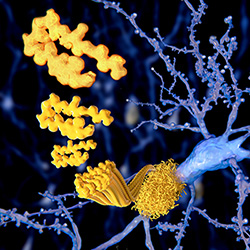 Alzheimer’s disease (AD) is a devastating fatal neurological condition that we’ve all heard or read about or have first-hand experience through our family connection. It is characterized by memory loss and abnormal behavior.
Amyloid beta plaque
This article discusses the role of amyloid beta plaque and the possibility of preventing or slowing its development. Formation of this plaque is the first event in the pathology of Alzheimer’s eventually resulting in nerve cell death.[1. Glenner GG. (1983). Alzheimer’s disease. The commonest form of amyloidosis. Arch Pathol Lab Med. Jun; 107(6):281-2.]
Is It Alzheimer’s or Something Else?
Deficiencies and conditions that can mimic Alzheimer’s Disease

We continue our series on brain health with this short discussion of nutrient deficiencies and a number of health issues which can cause symptoms similar to Alzheimer’s Disease. These should be checked for anyone showing signs of dementia. And we should all pay attention to getting a balanced diet with enough of these important nutrients, supplementing if necessary. Continue reading “Is It Alzheimer’s or Something Else?”