 This is the first of a series of articles discussing how to maintain healthy brain function based on my newest book Natural Brain Support: Preventing and Treating Alzheimer’s and Dementia Naturally.
There is a strong connection between eye and brain health, and in fact the optic nerve is brain tissue and the retina was created prenatally from brain cells. Many of the nutrients discussed below are needed for healthy vision but also are found in the brain as well.
An eye doctor can often identify health issues because of observed changes in the retina. An eye doctor can detect hypertension, diabetes, multiple sclerosis, and even Alzheimer’s disease before it gets to the point that the specialists can identify them. Continue reading “The Eye-Brain-Alzheimer’s-Dementia Connection”
 Parkinson’s disease is a multi-neurological disease. Currently, most Parkinson’s treatments focus on increasing dopamine production and reducing motor symptoms and tremors through medication. However, this disease has many causative or contributing factors that cause changes in healthy brain function. Many of these factors are also relevant for dementia, Alzheimer’s, Huntington’s, and Wilson’s diseases as well. Which factors impact brain functioning and the development of brain disease? Are there natural approaches to preventing and slowing the progress of such devastating diseases? This article offers a brief overview, based on the new book, Natural Parkinson’s Support: Your Guide to Preventing and Managing Parkinson’s.
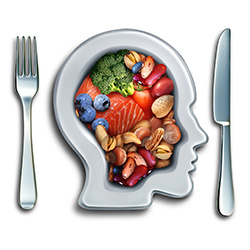 Brain health is especially important in seniors. Seniors are susceptible to dementia, Alzheimer’s disease, memory problems, and cognitive decline. Which foods boost brain power the most? At Natural Eye Care, we have picked eleven common foods that have brain-saving properties. Scientists have been studying the nutrients in foods for decades. They have isolated specific nutrients that cross the blood-brain barrier. These types of nutrients get direct access to the brain and even the retina. The retina is made from neural tissue. Researchers find that many of the nutrients helpful for the brain also stave off eye diseases such as macular degeneration and glaucoma.
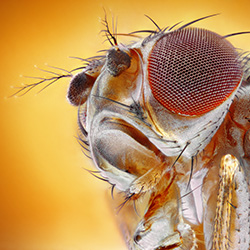 Findings from a recent study suggest that blue light, the same light emitted from smartphones and fluorescent light bulbs, causes brain damage and premature aging in fruit flies.
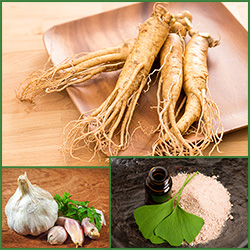 Three time-tested supplements stand out as champions for eye and brain health: garlic, ginseng, and ginkgo. Research on these supplements backs up why they have been used for thousands of years. Garlic plays an important role in all three major traditional medicines–Traditional European Herbal Medicine, Ayurveda, and Traditional Chinese Medicine. Ginseng and ginkgo are crucial herbs in Traditional Chinese Medicine. Do these supplements work? Are they beneficial for aging brains and eyes? What does the research show?
 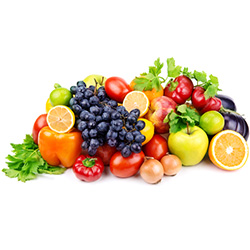 The links between antioxidants and vision health are strong. Antioxidants are the antidote to oxidization. Normal metabolism creates free radicals. These are atoms that lack an electron. Free radicals roam about the body, scavenging electrons and stealing electrons from healthy cells. This results in permanent damage to these afflicted cells which ultimately can result in disease. Significant research has shown that antioxidants protect against this cellular damage and are essential for maintaining health. The eye is especially vulnerable to free radical damage. Therefore, providing the body with sufficient antioxidants
 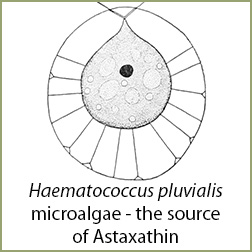 A humble micro-algae produces a powerful antioxidant: astaxanthin. It does so to protect itself from ultraviolet radiation. Research shows that astaxanthin protects the human eyes and brain from serious diseases such as age-related macular degeneration and dementia, including Alzheimer’s disease, as well as conditions like computer eye strain and eye fatigue (asthenopia)[3.
  Exposure to electromagnetic fields has been considered a potential contributor or cause to many chronic illnesses for about 20 years. What is becoming more apparent is that EMF pollution when combined with toxins and poor diet makes chronic disease more likely.