
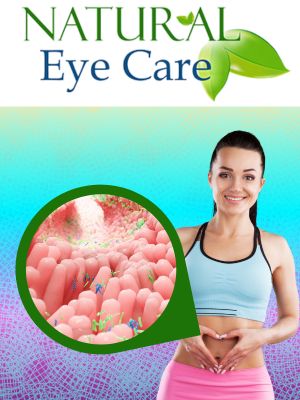
 The digestive tract is filled with over 100 trillion microorganisms, many of which are needed for gut health — and good health.[1. Thursby E, Juge N. Introduction to the human gut microbiota. Biochem J. 2017;474(11):1823–1836] The gut flora, as they are called, has a similar function to that of other organs in the body.[2. O’Hara AM, Shanahan F. The gut flora as a forgotten organ. EMBO Rep. 2006;7(7):688–693] The intestinal microorganisms are their own environment. This environment aids the body’s immune system and helps keep you healthy.[3. Vrancken G, Gregory AC, Huys GRB, et al.. Synthetic ecology of the human gut microbiota. Nat Rev Microbiol. 2019;17(12):754–763]
The health of the eyes depends upon the health of these gut microorganisms. Age-related Macular Degeneration (AMD) and dry eye disease (DED) are impacted by inflammation in the gut. Continue reading “How Your Gut Health Affects Your Eye Health”
 We have written extensively about how excess exposure to blue light can, over time, negatively affect vision. Not only does it affect our vision and ability to fall asleep, but it can also harm skin health, and neural pathways in the brain are affected in various ways.
 Summertime is here, and it is great to be outdoors enjoying the wonderful weather. Some daily exposure to sunlight helps build up Vitamin D in the body and is good for eye health, but excessive exposure can lead to skin damage, skin cancer, and even promote eye disease which may include macular degeneration, other retinal disorders, and cataracts. Ongoing exposure to blue light increases the risk of neovascular (wet) macular degeneration, particularly associated with low levels of antioxidants, and especially low levels of vitamin C and zeaxanthin.[1. Fletcher, A.E., Bentham, G.C., Agnew, M., Young, I.S., Augood, C., et al. (2008). Sunlight exposure, antioxidants, and age-related macular degeneration. Arch Ophthalmol, Oct;126(10):1396-403.] Another study suggested that extended exposure to sunlight outdoors may be associated with age-related maculopathy.[2. Cruickshanks, K.J., Klein, R., Klein, B.E. (1993). Sunlight and age-related macular degeneration. The Beaver Dam Eye Study. Arch Ophthalmol. 111(4):514-518.]
  About Micronutrients
 The standard Western diet, with many processed foods, white grains, fats, sugars, preservatives, and flavorings lacks essential nutrients to support the retina. These non-beneficial components aggravate inflammation in the body – an underlying, and sometimes a direct cause of illness, premature aging, and cellular degeneration.
 Did you know that proper nutrition and exercise can help prevent diabetic retinopathy?[1. Bryl A, Mrugacz M, Falkowski M, Zorena K. (2022). The Effect of Diet and Lifestyle on the Course of Diabetic Retinopathy-A Review of the Literature. Nutrients. Mar 16;14(6):1252.] Diabetic retinopathy (DR) is a potentially blinding complication of diabetes that damages the eye’s retina; it is a leading cause of vision loss in the world. About 10% of Americans have diabetes. One in three people with diabetes has symptoms of diabetic retinopathy. Of these, a further one-third have vision-threatening DR, including diabetic macular edema. And yet, the condition can potentially be preventable.
  Myopia on the Rise
 Understanding your personality is one key to understanding your vision strengths and weaknesses.
 Did you know that untreated high blood pressure increases the risk, not only of heart attacks and strokes, but eye conditions such as advanced macular degeneration, glaucoma, and macular edema?