
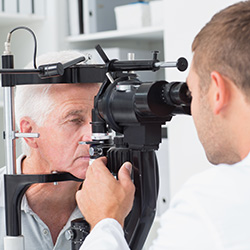
 Getting a thorough eye exam has always been about more than reading letters off an eye chart. That is even truer today. One reason: We are harder on our eyes than ever before. Many of us spend hours each day staring and squinting at screens, developing digital eyestrain, and exposing our eyes to potentially damaging blue light.
But the typical tests offered during a standard eye exam may not go far enough to find problems as early as possible. Even a basic dilated eye exam may not be enough. Continue reading “The Eye Exam: A New Look by Dr. Grossman – 2020 Vision”
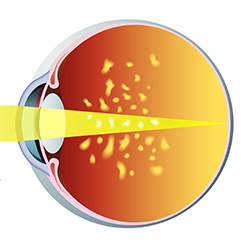 Have you ever noticed specks or clouds in your field of vision? They are most likely eye floaters. Floaters can look like cobwebs, blobs, dots, or little insects that float around. Eye floaters can be semi-transparent or darker. If you have them, they are more noticeable in certain lighting conditions, such as bright sunlight. You might not notice them at all unless you are looking for them.
  A study published in the February 2019 issue of Aging Cell indicates that metformin may reduce the effectiveness of exercise. Metformin is a drug that has been approved for people with Type 2 diabetes to help control blood sugar. However, the drug is also used by healthy people for its anti-aging properties. The researchers are concerned about off-label use of this drug.
 Three time-tested supplements stand out as champions for eye and brain health: garlic, ginseng, and ginkgo. Research on these supplements backs up why they have been used for thousands of years. Garlic plays an important role in all three major traditional medicines–Traditional European Herbal Medicine, Ayurveda, and Traditional Chinese Medicine. Ginseng and ginkgo are crucial herbs in Traditional Chinese Medicine. Do these supplements work? Are they beneficial for aging brains and eyes? What does the research show?
  Diabetic retinopathy is a vision-stealing effect of diabetes. What causes diabetes, and how can you prevent it? Can diabetic patients prevent this eye disease? What can you do to halt diabetic retinopathy? How can patients preserve their vision?
 As the New Year approaches, resolve to improve your vision health. Dr. Marc Grossman and Michael Edson, co-authors of Natural Eye Care 2nd Edition, developed this checklist of New Year resolutions for vision health. Pick one or more resolution. Regardless of your age, you can reduce your risk of developing eye disease. Eye disease such as cataracts, macular degeneration, and glaucoma are prevalent in seniors. A few simple steps can help preserve the precious gift of sight.
 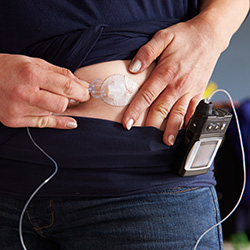 A preliminary study may point to blood sugar variability as an independent risk factor for diabetic neuropathy. Although the study involved only 40 adult patients, this type of research may emphasize the importance of leveling out blood sugar readings. Diabetic neuropathy is permanent nerve damage caused by sugar in the blood vessels. This condition can damage any nerves in the body. When high blood sugar damages the optic nerve in the eyes, it is called “diabetic retinopathy.”
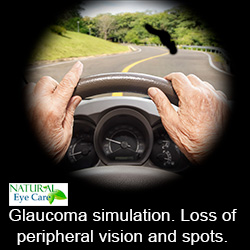 Glaucoma is a serious eye disease with many risk factors. Some risk factors are controllable; other risks are not. The main problems with glaucoma are late detection, permanent damage, and no cure. People who skip going to the eye doctor often notice no symptoms until glaucoma is well-established. Glaucoma is often referred to as the “silent thief.” Typically, are no eye symptoms until the person notices that peripheral vision is reduced. Glaucoma is not curable but with proper treatment often very manageable. Therefore, knowing your glaucoma risks and managing them can help prevent irreversible optic nerve damage.