
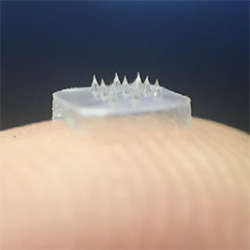
 Instead of getting eye injections, patients with serious eye diseases may in the near future be eligible for a contact lens-type patch.[1. Aung Than, Chenghao Liu, Hao Chang, Phan Khanh Duong, Chui Ming Gemmy Cheung, Chenjie Xu, Xiaomeng Wang, Peng Chen. Self-implantable double-layered micro-drug-reservoirs for efficient and controlled ocular drug delivery. Nature Communications, 2018; 9 (1) DOI: 10.1038/s41467-018-06981-w] Injections are often recommended for eye diseases such as Wet (advanced) Age-Related Macular Degeneration, macular edema, and diabetic retinopathy. The new patch is inserted painlessly like a contact lens. It delivers tiny microneedles containing medication. The microneedles are made from natural materials and dissolve over time, gradually releasing medicine. Patients would be more likely to stick with a regimen that does not involve eye injections.
Eye Injections: Stick a Needle in My Eye
Patients generally dread eye injections. Injections must be performed in a doctor’s office. Eye injections are not typically painful but can have some negative side effects such as occasionally pain after the injection. Continue reading “Patch with Microneedles Could Replace Eye Injections”
 Wet Age-Related Macular Degeneration and Diabetic Retinopathy can lead to vision loss from angiogenesis. Angiogenesis is the growth of unwanted blood vessels in the retina. These excess blood vessels obscure or distort vision and damage the eye. They can result in permanent damage if not treated, typically by injection of EyLea, Avastin, or Lucentis. Macular Degeneration (ARMD) and Diabetic Retinopathy are most prevalent among seniors over age 60. Are there any natural methods to help retard the growth of extra blood vessels in the eye?
 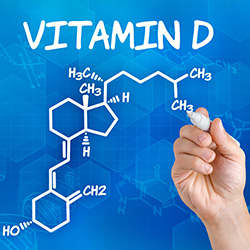 Lack of Vitamin D has been associated with eye diseases like uveitis, macular degeneration, and dry eye. Vitamin D deficiency is also linked to cancer, immune disorders, heart disease, high blood pressure, osteoporosis, bone pain, depression, asthma, multiple sclerosis, and even dementia. Shockingly, more than 40% of the US population is Vitamin D deficient. The body manufactures Vitamin D, so why is deficiency wide spread? Indoor living, aging, and many other factors are behind this virtual pandemic. How can you measure your vitamin D levels? How can you get enough? Isn’t fortified milk enough? Should you take a supplement? Which one?
  Three time-tested supplements stand out as champions for eye and brain health: garlic, ginseng, and ginkgo. Research on these supplements backs up why they have been used for thousands of years. Garlic plays an important role in all three major traditional medicines–Traditional European Herbal Medicine, Ayurveda, and Traditional Chinese Medicine. Ginseng and ginkgo are crucial herbs in Traditional Chinese Medicine. Do these supplements work? Are they beneficial for aging brains and eyes? What does the research show?
  People with vision loss due to retinal disease may be able to use a bionic system to improve sight in the near future. Pixium Vision is running a feasibility study on is PRIMA System, and they got better-than-expected results. The study is on patients with dry Age-Related Macular Degeneration. Currently, medical science cannot restore vision in those with retinal dystrophies. The PRIMA System may lead to vision restoration for patients with Macular Degeneration, Retinitis Pigmentosa and other retinal diseases.
  Astaxanthin is a potent antioxidant that helps prevent sun damage to the body by blocking free radical damage. This bright red molecule forms in certain algae, pink seafood, and yeast. Unlike beta-carotene, this carotenoid crosses the blood-brain barrier to help maintain healthy brain function. Astaxanthin helps the brain by promoting neurogenesis, the generation of new brain neurons. This nutrient also supports existing neurons by reducing oxidative stress. Scientists have found that astaxanthin can protect against cumulative sun damage to the eye. This nutrient may help reduce the risk of eye disease such as macular degeneration. It may also protect against cataracts and vision loss from glaucoma. In addition, related carotenoids called lutein and zeaxanthin block blue light and work synergistically with astaxanthin.
 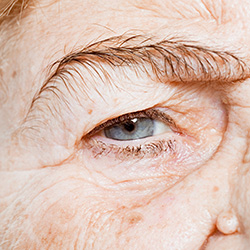 A study, led by Dr. Daniel Martin, an ophthalmologist at the Cleveland Clinic’s Cole Eye Institute, has found that the cancer drug Avastin (bevacizumab) offers macular degeneration patients the same benefits as the drug Lucentis (ranibizumab), which was specifically formulated to treat the disease.
 Docosahexaenoic acid or DHA is a naturally-occurring chemical, so why might seniors need to supplement it? Our bodies create small amounts of this omega-3 fatty acid. DHA from the diet, such as seafood, also counts. Docosahexaenoic acid is crucial to brain development in infants, and it is found in large quantities in the brain and retina. Researchers have found that consuming extra DHA can fight eye disease. How much docosahexaenoic acid do you need to get these effects? Can you get enough through your diet, or do you need to supplement DHA for optimum health?