
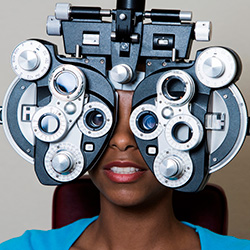
 Regular eye exams improve quality of life, but how often do you need an eye exam? No one wants to waste time and money on unnecessary vision screenings and exams. On the other hand, eye exams can catch minor problems before they become major problems.
Many eye problems have subtle symptoms or no symptoms at all. Continue reading “How Often Do You Need Eye Exams?”
 How can you save your vision regardless of your age? Eye disease is prevalent in seniors; however, people of all ages can take steps to protect their eyes. Here is Natural Eye Care’s guide to preserving the precious gift of sight.
 Managing hormones and vascular disease risk could help prevent eye diseases associated with aging. Impaired blood flow is suspected of contributing to several major eye diseases. Glaucoma, diabetic retinopathy, and Age-related Macular Degeneration (ARMD) are all associated with reduced blood flow to the eyes. These eye diseases mostly strike seniors. As we age, our vascular health suffers. The arteries tend to become narrower and even blocked. Therefore, seniors could see benefits to their eyes by improving their vascular health.
  Whenever the sun is shining, drivers need to wear sunglasses. Glare from the sun is unsafe and can cause accidents. The eyes are vulnerable to damage from sunlight. Which types of sunglasses are best for driving? How do sunglasses protect the eyes?
 The main indicator of age at first glance is facial wrinkles. Seniors who wish to maintain a youthful appearance are tempted to purchase wrinkle creams and supplements. Before buying, consumers should look at objective research. One supplement called astaxanthin has been shown in small studies to reduce wrinkling and enhance the skin. Astaxanthin is also excellent for the eyes. What is Astaxanthin made from? What are the benefits to the eyes and skin?
 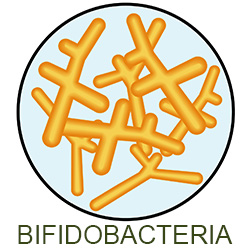 Your doctor may have mentioned that gut health affects mood, cholesterol levels, immunity and cardiovascular health. Reducing sugar intake and increasing fiber is good advice. However, new research has found that a specific gut microorganism has a strong influence on gut health. Unfortunately, the champion bifidobacteria declines significantly with age. Scientists have found an antidote: a probiotic called xylooligosaccharides (XOS). Taking very small doses of XOS increased bifidobacteria populations in the gut.
  Eye vitamins are crucial to vision health. In fact, the eye is the most vitamin-hungry organ in the body proportional to its size. It is the second most physiologically active part of our body only second to our brain. We believe the eyes require approximately 25% of the nutrients taken into the body to maintain full health. Any less may eventually result in eye diseases such as macular degeneration, glaucoma and cataracts.
 People who have advanced eye disease have waited too long to improve their vision health. Keeping the eyes health is a lifetime endeavor. An unhealthy lifestyle and poor nutrition lead to a higher risk of eye diseases. Researchers have linked cataracts, macular degeneration, glaucoma, optic neuropathy, retinal vein occlusions, and other eye conditions to mostly-controllable risk factors. Seniors are especially at risk. Natural Eye Care offers this guide to improving vision health.