
 Docosahexaenoic acid or DHA is a naturally-occurring chemical, so why might seniors need to supplement it? Our bodies create small amounts of this omega-3 fatty acid. DHA from the diet, such as seafood, also counts. Docosahexaenoic acid is crucial to brain development in infants, and it is found in large quantities in the brain and retina. Researchers have found that consuming extra DHA can fight eye disease. How much docosahexaenoic acid do you need to get these effects? Can you get enough through your diet, or do you need to supplement DHA for optimum health? Continue reading “Do Seniors Need to Supplement DHA for Vision Health?”
Category: Health Conditions
Blood Sugar Variability and Diabetic Neuropathy Risk
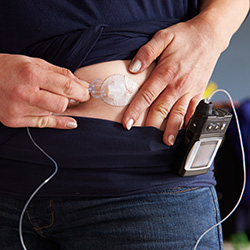 A preliminary study may point to blood sugar variability as an independent risk factor for diabetic neuropathy. Although the study involved only 40 adult patients, this type of research may emphasize the importance of leveling out blood sugar readings. Diabetic neuropathy is permanent nerve damage caused by sugar in the blood vessels. This condition can damage any nerves in the body. When high blood sugar damages the optic nerve in the eyes, it is called “diabetic retinopathy.” Continue reading “Blood Sugar Variability and Diabetic Neuropathy Risk”
Gene Therapy Might Cure Type II Diabetes

Studies on mice at the Universitat Autònoma de Barcelona (UAB) may lead to an injection that cures Type II Diabetes. This metabolic disorder affects overweight and obese people, due to insulin resistance. The body needs more and more insulin to maintain steady blood sugar, and the pancreas cannot keep up. Diabetes can lead to eye disease in the form of diabetic retinopathy. The chances of developing floaters, cataracts, nerve damage, and glaucoma are higher. Diabetes also causes stroke, amputations, coma, and even death.
The researchers, led by Professor Fátima Bosch, introduced into the mice a gene that creates the FGF21 protein Continue reading “Gene Therapy Might Cure Type II Diabetes”
How to Minimize Your Glaucoma Risk
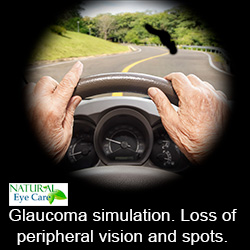 Glaucoma is a serious eye disease with many risk factors. Some risk factors are controllable; other risks are not. The main problems with glaucoma are late detection, permanent damage, and no cure. People who skip going to the eye doctor often notice no symptoms until glaucoma is well-established. Glaucoma is often referred to as the “silent thief.” Typically, are no eye symptoms until the person notices that peripheral vision is reduced. Glaucoma is not curable but with proper treatment often very manageable. Therefore, knowing your glaucoma risks and managing them can help prevent irreversible optic nerve damage. Continue reading “How to Minimize Your Glaucoma Risk”
Protect the Optic Nerve with Taurine, Bilberry, and More
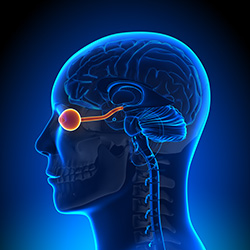 Several nutrients and vitamins such as bilberry and taurine help protect the optic nerve from damage. Glaucoma causes optic nerve damage. Optic neuritis and optic nerve atrophy are serious conditions that harm the optic nerve. Since the optic nerve sends electrical signals from the eye to the brain, any interruption damages vision. How does the optic nerve work? Which diseases damage the optic nerve? What does the research show about how nutrients, foods, and vitamins protect the optic nerve? Taurine, gingko biloba, a fruit called bilberry, Vitamin C, and Vitamin B12 among others have demonstrated their usefulness. Continue reading “Protect the Optic Nerve with Taurine, Bilberry, and More”
Astaxanthin for Wrinkles and the Eyes
 The main indicator of age at first glance is facial wrinkles. Seniors who wish to maintain a youthful appearance are tempted to purchase wrinkle creams and supplements. Before buying, consumers should look at objective research. One supplement called astaxanthin has been shown in small studies to reduce wrinkling and enhance the skin. Astaxanthin is also excellent for the eyes. What is Astaxanthin made from? What are the benefits to the eyes and skin? Continue reading “Astaxanthin for Wrinkles and the Eyes”
How Much Anti-Aging Supplements NAD+ and Nicotinamide Riboside Are Needed?
 You may have heard of the supplement Nicotinamide Riboside, but why is it called anti-aging? How is the supplement Resveratrol involved? How much should you take? William Faloon of the Life Extension Foundation announced new guidelines for dosing in 2017.[1. http://www.lifeextension.com/Magazine/2017/9/New-Resveratrol-And-NAD-Dosing-Protocol/Page-01]
Nicotinamide Riboside is a precursor to NAD+. All living cells naturally contain NAD+. A coenzyme, NAD+ is essential for DNA repair and energy production. NAD+ is abundant in young people. As we age, NAD+ levels drop sharply. Continue reading “How Much Anti-Aging Supplements NAD+ and Nicotinamide Riboside Are Needed?”
Can You Prevent or Reverse Cataracts?
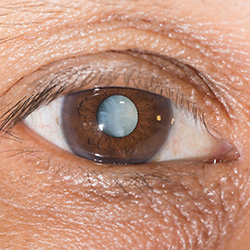 Is it possible to prevent cataracts, or even reverse cataracts? Can you put off cataracts surgery? Cataracts are one of the most common eye diseases in seniors. More and more people have a special “glint” in their eye when the light hits the lens just right. What is the value of preventing cataracts and other eye diseases? Continue reading “Can You Prevent or Reverse Cataracts?”
Anti-Inflammatory Vision Diet for the Holidays
 Inflammation is a factor in many eye diseases, and what you eat affects inflammation. Whenever major holidays comes along, we are tempted to eat special foods. Many of these treats are high in calories and sugar, which contribute to inflammation. While you don’t want to spoil anyone’s fun, you can choose to eat foods that are anti-inflammatory. At the end of this article, you will find tips for limiting the damage while still enjoying the holiday. Continue reading “Anti-Inflammatory Vision Diet for the Holidays”
Alzheimer’s Disease Indicated in the Eyes
 Did you know that certain vision changes can indicate early-stage Alzheimer’s disease? Alzheimer’s is the #3 killer in the United States, right behind cancer and heart disease. Scientists are researching early detection. Catching this disease in its earliest stages opens up potential treatments, before significant brain damage sets in. Treatments for early Alzheimer’s are also being heavily researched. The retina develops from neural tissue, and the entire eye reflects the health of an individual. Therefore, non-invasive screening Continue reading “Alzheimer’s Disease Indicated in the Eyes”