
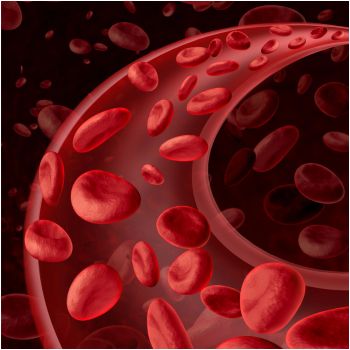
 Poor circulation significantly contributes to eye diseases, including macular degeneration, glaucoma, and diabetic retinopathy. Heart disease and diabetes lead to poor circulation. Our eyes and brain require the most oxygen and nutrients, so they need healthy blood circulation. In this article, we will explore the connections between age-related macular degeneration (AMD) and poor circulation. We will also examine the relationship between heart disease and glaucoma. Additionally, we will discuss how diabetes affects circulation and leads to diabetic retinopathy.
Macular Degeneration and Poor Circulation
Age-related macular degeneration (AMD) is the leading cause of severe and irreversible vision loss in developed countries.[1.Klein R Klein BE Tomany SC Cruickshanks KJ . The association of cardiovascular disease with the long-term incidence of age-related maculopathy: The Beaver Dam Eye Study. Ophthalmology. 2003;110:636–643.] [2.Evans J Wormald R . Is the incidence of registrable age-related macular degeneration increasing? Br J Ophthalmol. 1996;80:9–14.].The macula is a tiny spot in the middle of the eye’s retina, where we get our most detailed vision. Heart disease is a major contributing factor. Numerous studies have linked hypertension and atherosclerosis with AMD.[3.Vingerling JR Dielemans I Bots ML Hofman A Grobbee DE de Jong PT . Age-related macular degeneration is associated with atherosclerosis: The Rotterdam Study. Am J Epidemiol. 1995;142:404–409.] [4.Hyman L Schachat AP He Q Leske MC . Hypertension, cardiovascular disease, and age-related macular degeneration. Age-Related Macular Degeneration Risk Factors Study Group. Arch Ophthalmol. 2000;118:351–358.] [5.van Leeuwen R Ikram MK Vingerling JR Witteman JC Hofman A de Jong PT . Blood pressure, atherosclerosis, and the incidence of age-related maculopathy: The Rotterdam Study. Invest Ophthalmol Vis Sci. 2003;44:3771–3777.] [6.Klein R Klein BE Tomany SC Cruickshanks KJ . The association of cardiovascular disease with the long-term incidence of age-related maculopathy: The Beaver Dam Eye Study. Ophthalmology. 2003;110:636–643.] Hundreds of peer-reviewed studies indicate that AMD can be very responsive to diet, exercise, and targeted supplementation.
The choroid is a thin layer of tissue in the eye’s middle wall, rich in blood vessels that supply oxygen and nutrients to the eye. Several cross-sectional studies have shown that blood flow in the choroid and retina is reduced in AMD.[7.Agnes Boltz, Alexandra Luksch, Barbara Wimpissinger, Noemi Maar, Günther Weigert, Sophie Frantal, Werner Brannath, Gerhard Garhöfer, Erdem Ergun, Michael Stur, Leopold Schmetterer; Choroidal Blood Flow and Progression of Age-Related Macular Degeneration in the Fellow Eye in Patients with Unilateral Choroidal Neovascularization. Invest. Ophthalmol. Vis. Sci. 2010;51(8):4220-4225.] [8.M.L. Hibert, Y.I. Chen, N. Ohringer, W.J. Feuer, N.K. Waheed, J.S. Heier, M.W. Calhoun, P.J. Rosenfeld and J.R. Polimeni. Altered Blood Flow in the Ophthalmic and Internal Carotid Arteries in Patients with Age-Related Macular Degeneration Measured Using Noncontrast MR Angiography at 7T. American Journal of Neuroradiology September 2021, 42 (9) 1653-1660]
Poor circulation hurts the body’s ability to provide a healthy blood supply to the retina. This appears to induce ischemia (an inadequate blood supply) and hypoxia (inadequate supply of oxygen to the body’s tissues) in the retina. The retina is essentially starved of oxygen and essential nutrients. In severe cases, dry AMD develops into the more dangerous wet AMD.
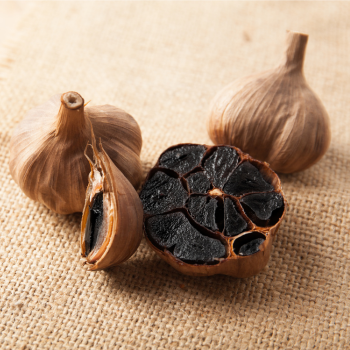 Aged black garlic, a culinary staple, is gaining recognition for its unique flavor and remarkable health benefits. Garlic has long been celebrated for its medicinal properties. Aged black garlic is a fermented food with even more potency and health benefits. Recent research has uncovered the benefits of aged black garlic, particularly in relation to the cardiovascular system and the eyes, including glaucoma and diabetic retinopathy. From improving optic nerve blood flow and reducing intraocular pressure to boosting HDL cholesterol levels and mitigating heart disease risks, aged black garlic is a versatile and powerful ally in promoting overall health.
 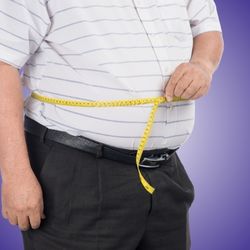 Extra weight around the belly may not seem hazardous. However, a higher abdominal circumference is one of several contributing factors to Metabolic Syndrome. As a risk factor for diabetes and cardiovascular disease, Metabolic Syndrome can creep up over time. Hormones, insulin resistance, genetics, organ dysfunction, and mitochondrial dysfunction can play a role.
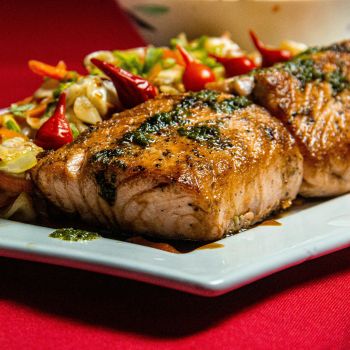 DHA is one of the omega-3 fatty acids that nutritionists implore us to eat. Why are grilled salmon and canned tuna part of nearly every diet and nutrition plan? Fatty fish is just one good source of DHA and other crucial nutrients. Find out how omega-3 fatty acids reduce chronic inflammation and help prevent diseases such as macular degeneration (ARMD), glaucoma, and diabetes. Pregnant people need omega-3’s to help the fetus develop. How much omega-3 fatty acids should you eat? And how do you balance them with omega-6 fatty acids, found in refined foods and certain meats?
 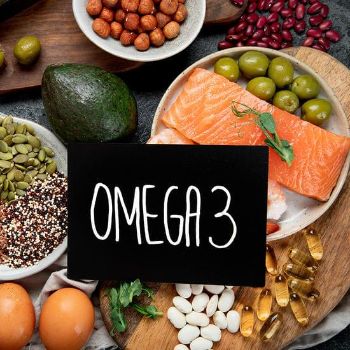 The standard Western diet, with many processed foods, white grains, fats, sugars, preservatives, and flavorings lacks essential nutrients to support the retina. These non-beneficial components aggravate inflammation in the body – an underlying, and sometimes a direct cause of illness, premature aging, and cellular degeneration.
 Did you know that untreated high blood pressure increases the risk, not only of heart attacks and strokes, but eye conditions such as advanced macular degeneration, glaucoma, and macular edema?
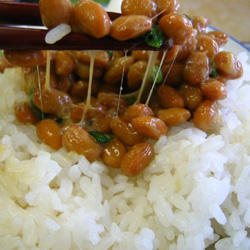 Researchers are finding that food and supplements containing nattokinase may reverse atherosclerosis. Current treatments for hardening of the arteries slow down the progression of heart disease. Effectively reversing atherosclerotic lesions would be a dream come true for drug manufacturers. Nattokinase is the most active ingredient in natto. Natto is a traditional Japanese food made from fermented soybeans. Could we increase our longevity by consuming natto or nattokinase supplements?
  Three time-tested supplements stand out as champions for eye and brain health: garlic, ginseng, and ginkgo. Research on these supplements backs up why they have been used for thousands of years. Garlic plays an important role in all three major traditional medicines–Traditional European Herbal Medicine, Ayurveda, and Traditional Chinese Medicine. Ginseng and ginkgo are crucial herbs in Traditional Chinese Medicine. Do these supplements work? Are they beneficial for aging brains and eyes? What does the research show?
  Scientists recently discovered a fat molecule that they called “palmitoleic acid”, a type of Omega-7 fatty acid. The substance appears to have special anti-inflammatory properties. Omega-7 occurs in certain fish oils and nuts. You may have heard of Omega-3 fatty acids, which come mostly from cold water fatty fish. Omega-3s reduce inflammation and heart disease risk. Omega-6 fatty acids occur in primarily in nuts and seeds, vegetable oil and grains. Omega-6 fatty acids are polyunsaturated fats. Omega-7s are monounsaturated fats, similar to olive oil. How are these types of fats different? What makes palmitoleic acid so important for preventing Type 2 diabetes and metabolic syndrome? Should you get them through food or supplements? How much should you take?