
 Middle-aged people and seniors are far more likely to develop Macular Degeneration, glaucoma, cataracts and diabetic retinopathy than those in their youth. It is true that some eye diseases strike the young. These tend to be genetically-based diseases, and they are rare. The incidence of eye diseases in the United States goes up dramatically with age: Continue reading “Eye Disease in Seniors & Age 40+ Cataracts, Glaucoma, Diabetic Retinopathy, Macular Degeneration”
Category: Heart disease
Dry Macular Degeneration May Improve with High-Dose Statin Cholesterol Drug
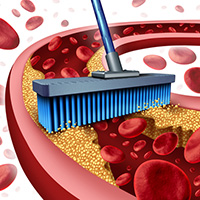 Some patients with dry Age-Related Macular Degeneration (ARMD) have vision improvements after taking high doses a statin. The common cholesterol-lowering drug is called Atorvastatin. It is the statin drug used in a phase I/II clinical trial at Massachusetts Eye and Ear at Harvard Medical School and the University of Crete. A higher-than-normal dose of the drug caused lipid deposits behind the retina to dissolve in some patients.
Statin drugs are FDA approved for controlling blood Continue reading “Dry Macular Degeneration May Improve with High-Dose Statin Cholesterol Drug”
Retinal Vein Occlusion: A Complete Overview from Natural Eye Care
 Retinal Vein Occlusion is the blockage of veins that drain blood from the retina in the eye. The eye circulatory system depends on releasing blood back to the heart after it has nourished the retina. When the vein is blocked, hemorrhaging occurs, damaging the retina. It is typically caused by atherosclerosis, a common condition especially in older people that damages the arteries. “Occlusion” means the blockage or closing of a blood vessel.
Symptoms and How Retinal Vein Occlusion Is Diagnosed
A sudden change in vision may indicate retinal vein occlusion.
- A blurred or missing area of vision is the most common, indicating a branch vein occlusion
- Less commonly, there is a severe loss of central vision, associated with a central vein becoming blocked.
Any sudden vision changes should be reported Continue reading “Retinal Vein Occlusion: A Complete Overview from Natural Eye Care”
Zinc Deficiency Linked to Chronic Inflammation in Study
 Researchers at Oregon State University found a link between chronic inflammation, immune dysfunction and zinc deficiency. [1. “Zinc deficiency enhanced inflammatory response by increasing immune cell activation and inducing IL6 promoter demethylation.” Carmen P. Wong, Nicole A. Rinaldi and Emily Ho. Molecular Nutrition and Food Research. Article first published online: 17 MAR 2015 DOI: 10.1002/mnfr.201400761] Inflammation is involved in cardiovascular disease and other diseases.
They introduced an inflammation-provoking substance to a human white blood cell culture. This resulted in an increase in the responses of the cytokines interleukin Continue reading “Zinc Deficiency Linked to Chronic Inflammation in Study”
Exercise May Be as Effective as Medication
 A study in the British Medical Journal has shown that exercise can be as effective a treatment as conventional medication for some conditions. By examining 305 different trials, researchers found that patients that used exercise regularly as treatment rivaled or surpassed patients taking pills for the same conditions when examining their life expectancies.
The study was conducted by researchers at the London School of Economics, Stanford University School of Medicine, and the Harvard Pilgrim Health Care Institute at Harvard Medical School. Researchers scanned thousands of studies comparing exercise and medication and narrowed their analysis down to 305 of them. The cases included nearly 340,000 patients, treating conditions such as stroke rehab, heart disease and heart failure, and pre-diabetes.
Continue reading “Exercise May Be as Effective as Medication”
Watermelon Helps Fight Heart Disease, Diabetes, and Eye Disease

File this heart healthy fact away for next summer’s barbecue season: watermelon can help fight hypertension.
Florida State University gave nine prehypertensive study participants the amino acid L-citrulline/L-arginine from watermelon extract for six weeks and all of them exhibited improved arterial function and lower aortic blood pressure.
Watermelon is also a source of vitamins A, B6, C, fiber, potassium and the antioxidant lycopene. Antioxidants are vital to eye health and help to fight the free radical oxidation damage that causes eye diseases like macular degeneration.
Study author Arturo Figueroa highlights another condition that could benefit from daily watermelon intake: diabetes. “Individuals with increased blood pressure and arterial stiffness especially those who are older and those with chronic diseases such as type 2 diabetes would benefit from L-citrulline in either the synthetic or natural (watermelon) form,” he said. “The optimal dose appears to be four to six grams a day.”
Diabetes can lead to the eye condition diabetic retinopathy.
Learn more about nutrients in food that can treat and prevent disease.
Source: https://www.medicalnewstoday.com/articles/204527.php
New Study Finds Improved Heart Function with Old Drug Rapamycin
 The success of the study indicates the potential for using the drug to improve heart function in humans.
The Buck Institute study used laboratory mice at an age comparable to humans in their 70s. After three months of treatment with rapamycin, the mice showed improved heart function. Ultrasound Continue reading “New Study Finds Improved Heart Function with Old Drug Rapamycin”
Flavonoids in Deeply Colored Berries Protect People From Disease
 A fruit cup of mixed berries is a powerful snack: deeply colored fruits are filled with flavonoids and other antioxidants that help protect the body from disease. Antioxidants help prevent free-radical damage, which is believed to be responsible for the onset of eye diseases such as cataracts and macular degeneration.
The colored flavonoids found in berries are called “anthocyanins”. These water-soluble pigments make plants shades of red, purple and blue. Berries also contain flavonoids called “quercetin” and “apigenin”. In the field or in the wild, these flavonoids help protect the plant from pests and insects.
Continue reading “Flavonoids in Deeply Colored Berries Protect People From Disease”
Carnosic Acid from Rosemary Herb Protects the Eye
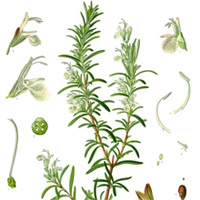 A chemical that occurs naturally in the common herb rosemary has been found to protect the eye from macular degeneration and other eye diseases. This study, published in Investigative Ophthalmology and Visual Science, is one of many recent investigations into the anti-inflammatory and antioxidant effects of the active ingredients in medicinal herbs. The compound in Rosemary is called “carnosic acid.”
Rosemary is a savory herb that adds flavor to a variety of recipes, including chicken, barbeques, salad dressing and tomato dishes. A member of the mint family, it is native to the Mediterranean region. Rosemarinus officinalis has evergreen, needle-like, fragrant leaves and tiny colorful flowers. It is a common decorative plant in gardens.
Continue reading “Carnosic Acid from Rosemary Herb Protects the Eye”
No Eye Surgery Infections Yet from Fungal Meningitis Drug Contamination
 There have not been any reported cases so far of eye infection in eye surgery patients who received medications from the New England Compounding Pharmacy (NECC); however, other types of patients have contracted fungal meningitis. Several NECC products were recalled after patients receiving drug injections for back pain became ill. More than 400 people in 15 states developed fungal infections that have been traced to products from NECC, and more than 29 people have died.
The compounding pharmacy is supposed to ship sterile products that are free of bacteria, fungi, viruses, and contaminants. Investigators found contamination that was sometimes even visible to the naked eye. Compounding pharmacies operate in a legal gray area that includes both state and federal laws. Pharmacies are regulated by state pharmacy boards, but the FDA steps in when a significant situation arises. Sometimes the federal Continue reading “No Eye Surgery Infections Yet from Fungal Meningitis Drug Contamination”