
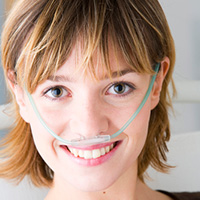
 The role of supplemental oxygen in diabetic macular edema was the subject of a pilot study in 2004. Diabetic macular edema or DME is a side-effect of diabetes. DME occurs when retinal blood vessels leak into the macula apparently trying to provide more oxygen to the retina. This leakage causes swelling, which, in turn, causes part of central vision to become blurred.
Oxygen Therapy
The study gave 5 DME patients supplemental oxygen using a standard oxygen supplying device called a nasal cannula (see photo). The patients were tested before, during and after three months of oxygen therapy. The results showed a significant reduction in excess foveal thickness and Continue reading “Diabetic Macular Edema and Supplemental Oxygen”
 Middle-aged people and seniors are far more likely to develop Macular Degeneration, glaucoma, cataracts and diabetic retinopathy than those in their youth. It is true that some eye diseases strike the young. These tend to be genetically-based diseases, and they are rare. The incidence of eye diseases in the United States goes up dramatically with age:
  Retinal Vein Occlusion is the blockage of veins that drain blood from the retina in the eye. The eye circulatory system depends on releasing blood back to the heart after it has nourished the retina. When the vein is blocked, hemorrhaging occurs, damaging the retina. It is typically caused by atherosclerosis, a common condition especially in older people that damages the arteries. “Occlusion” means the blockage or closing of a blood vessel.
 Rod-Cone Dystrophy is a genetically-based deterioration of vision caused by damage to the photoreceptors in the eye. Rods and cones are the photoreceptor cells in the retina that give us daytime and night time vision. Genes that provide the blueprint for manufacturing proteins crucial to the eye’s rods and cones are damaged. Without enough of these proteins, vision deteriorates and blindness may result.
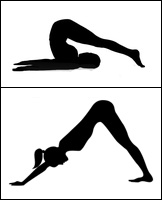 Yoga is generally considered a perfect exercise for overall health; however, head-down positions may be harmful to glaucoma patients. A small study at a yoga studio found that positions that put the head downward increased intraocular pressure. The positions studied were Adho Mukha Svanasana, Uttanasana, Halasana and Viparita Kirani.
 There are often toxins in cosmetics and personal care items that you use daily. 87% of likely voters in 2016 want better regulation of personal care products. The cosmetics, cleansers, shampoos, soaps, toothpastes, sun-screens, skin treatments and whatever else we might put on our skin, hair or nails often contain toxins. We absorb toxins through our skin so this is important. Of course, some people are more sensitive than others, but even so it is a good idea to pay attention when we shop.
 Scientists are putting significant focus on Age-Related Macular Degeneration in their research. This eye disease strikes mostly older adults, over aged 50. The “Baby Boomer” generation is well above age 50, as are their living parents. Understanding the causes and potential treatments for Macular Denegation (ARMD) are important, because vision-impaired elderly people need extra help with their daily activities. Also, quality of life is lowered when vision is poor.
 Americans spend about 1/3 of their waking hours on smartphones; young Americans spend even more. Research finds that we spend almost twice as much time as we think we do and more than half of that time is in short bursts of less than 30 seconds.
 The benefits of exercise are indisputable.