
 Physical exercise is vital for eye health and overall health. Research shows the positive impacts of exercise on common eye conditions. What is the intricate relationship between exercise and eye health? Can regular physical activity reduce the risk of age-related eye diseases? What role does nutrition play? And, can physical exercise help stave off neurological disease, heart disease, and other chronic illnesses associated with aging? At Natural Eye Care, we want to support you with knowledge and practical tips for getting the exercise you need. Continue reading “Physical Exercise Reduces Eye Disease and Dementia”
Category: Macular Degeneration
How to Keep Your Brain Healthy–And Your Eyes!
 What is the relationship between brain health and eye health as we age? Our brains adapt and form new connections throughout our lives. Nutrition, lifestyle choices, and early detection play major roles in keeping the brain healthy, and the eyes. Find out about Natural Eye Care’s holistic approach to brain and eye health. Continue reading “How to Keep Your Brain Healthy–And Your Eyes!”
NMN (Nicotinamide Mononucleotide): The New Anti-Aging Nutrient?
 Is it possible that NMN – nicotinamide mononucleotide – is an anti-aging nutrient? This chemical occurs naturally in the body, but levels drop in seniors. Researchers are finding that taking NMN supplements appears to have benefits. How does NMN work? What does it do? And, could seniors slow down the aging process by taking it?
Continue reading “NMN (Nicotinamide Mononucleotide): The New Anti-Aging Nutrient?”
Molecular Hydrogen for Macular Degeneration, Cataracts, and Diabetic Retinopathy
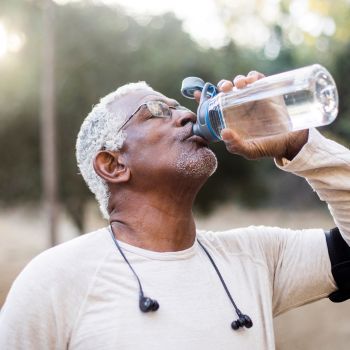 Molecular Hydrogen is gaining popularity as a therapy for everything from skin problems to eye disease to arthritis to cancer. Is molecular hydrogen the latest supplement craze? Or is there merit to using this therapy? Find out how it works, and look at the research.
The Smallest Molecule Has Advantages
Hydrogen is the very first molecule on the Periodic Table of Elements. As the smallest molecule, hydrogen can reach places that other molecules cannot. For example, hydrogen easily crosses the blood-brain barrier and reaches the interior of the eyes. It can also get into the smallest parts of the cells, which many other antioxidants cannot. Modular hydrogen is two molecules of hydrogen bonded to each other. Water is H2O — two molecules of hydrogen plus a molecule of oxygen. Molecular hydrogen is written as H2. Continue reading “Molecular Hydrogen for Macular Degeneration, Cataracts, and Diabetic Retinopathy”
Alzheimer’s Disease, Glaucoma and Macular Degeneration: New Research
 New research studies have found strong relationships between lifestyle and the aging brain. How can you help prevent or delay Alzheimer’s Disease and other forms of dementia? The eye’s retina is brain tissue. Not surprisingly, researchers have found connections between Alzheimer’s Disease, glaucoma, and lifestyle. What does the new research show? Are nutrition, supplements, exercise, and smoking avoidance shown to help?
What Are The Chances?
By the age of 65, 10% of seniors have Alzheimer’s Disease. Every five years, the risk doubles. Instead of waiting for any type of dementia to strike, you can take steps right now!
Alzheimer’s Disease is a complex brain disease. Amyloid-beta plaque builds up in the brain. Early symptoms include memory loss, impaired judgment, disorientation, losing items, and personality changes. Later, the brain is fully impaired, resulting in the need for caregivers. Multiple systems in the brain break down, including: Continue reading “Alzheimer’s Disease, Glaucoma and Macular Degeneration: New Research”
Taurine: An Amino Acid Crucial for Health and Aging
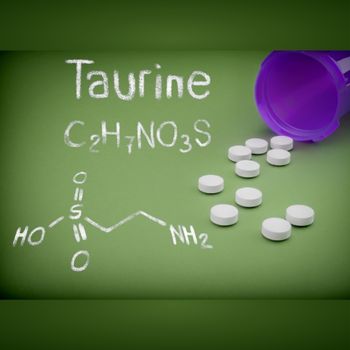 Taurine is an amino acid that your body manufactures and obtains from food. Crucial to health, taurine has many benefits for the eyes, heart, and brain. It is also an antioxidant that reduces inflammation and bad cholesterol levels. However, seniors often have taurine levels that are 80% lower than younger people.[1. Ito T, Yoshikawa N, Inui T, et al. Tissue depletion of taurine accelerates skeletal muscle senescence and leads to early death in mice. PLoS One. 2014;9(9):e107409] [2. Singh P, Gollapalli K, Mangiola S, et al. Taurine deficiency as a driver of aging. Science. 2023 Jun 9;380(6649):eabn9257.]
Night vision, eye health, cardiovascular fitness, brain health, the gastrointestinal system, immunity, bones, and diabetes are all linked to taurine.[3. Ibid. Science. 2023 Jun 9;380(6649):eabn9257] This article covers the benefits of this amino acid and how to check your taurine levels. It also discusses ways to get extra taurine if needed. Continue reading “Taurine: An Amino Acid Crucial for Health and Aging”
Omega-3 Fatty Acids and Carotenoids Fight Macular Degeneration
 Age-related macular degeneration is an eye disease you do not want to get! One of the treatments is injections directly into the eye on a regular basis. The consequences can be devastating. The loss of central can steal your driving independence and your ability to recognize faces, watch TV, read, do crafts and hobbies, and cook. Research studies on carotenoids and essential fatty acids such as omega-3 fatty acids show hope for preventing and supporting Age-Related Macular Degeneration (ARMD or AMD). Continue reading “Omega-3 Fatty Acids and Carotenoids Fight Macular Degeneration”
How Your Gut Health Affects Your Eye Health
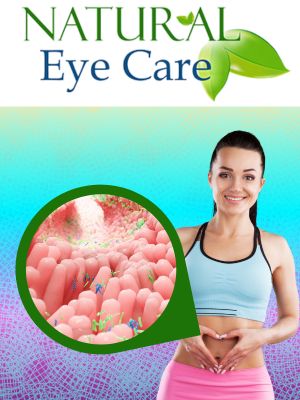 The digestive tract is filled with over 100 trillion microorganisms, many of which are needed for gut health — and good health.[1. Thursby E, Juge N. Introduction to the human gut microbiota. Biochem J. 2017;474(11):1823–1836] The gut flora, as they are called, has a similar function to that of other organs in the body.[2. O’Hara AM, Shanahan F. The gut flora as a forgotten organ. EMBO Rep. 2006;7(7):688–693] The intestinal microorganisms are their own environment. This environment aids the body’s immune system and helps keep you healthy.[3. Vrancken G, Gregory AC, Huys GRB, et al.. Synthetic ecology of the human gut microbiota. Nat Rev Microbiol. 2019;17(12):754–763]
The health of the eyes depends upon the health of these gut microorganisms. Age-related Macular Degeneration (AMD) and dry eye disease (DED) are impacted by inflammation in the gut. Continue reading “How Your Gut Health Affects Your Eye Health”
Blue Light & Your Vision (and more!)
 We have written extensively about how excess exposure to blue light can, over time, negatively affect vision. Not only does it affect our vision and ability to fall asleep, but it can also harm skin health, and neural pathways in the brain are affected in various ways. Continue reading “Blue Light & Your Vision (and more!)”
Vision Self-Empowerment in a New Age
What Harms Eyesight?

Our eyes are constantly exposed to the external environment with frequent excess exposure to UVA/UVB light. Natural exposure to the sun is exacerbated by blue light exposure from mobile phones, E-readers, handheld gaming electronics, TV, computer monitors, and fluorescent and LED lighting.
In addition to blue/UV light, our long hours on computers and mobile phones cause stress on our visual system. Physical and visual fatigue reduces the free flow of energy and circulation to the eyes, often accompanied by muscle tension in the neck, shoulders, and lower back.
The combination of the above and the effects of a poor diet, lack of essential nutrients, chronic stress, and health conditions such as chronic inflammatory conditions can result in progressive and sometimes irreversible vision loss. Sight loss may include pathologies such as cataracts, ocular atrophy, corneal opacity, age-related macular degeneration, uncorrected refractive error, posterior capsular opacification, uveitis, glaucoma, diabetic retinopathy, retinal detachment, undetermined disease, and other disorders involving oxidative stress and inflammation. Continue reading “Vision Self-Empowerment in a New Age”