
 Astaxanthin is a superfood for the eyes, but our absorption rates are low. Only about half of the astaxanthin we ingest is usable by the body.[1. Mol Nutr Food Res. 2012 Sep;56(9):1385-97.] Astaxanthin is prized for easily crossing the blood/eye barrier and providing antioxidants to the eyes. These free radical fighters help prevent and support a wide variety of age-related eye diseases. A supplement company has added harmless emulsifiers called “phospholipids” to astaxanthin to increase absorption.
What is Astaxanthin?
Many have not heard of astaxanthin. The human body Continue reading “How to Increase Astaxanthin Absorption for Vision Support”
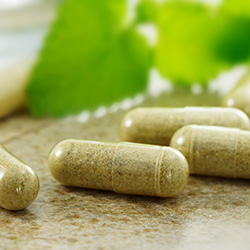 Eye vitamins are crucial to vision health. In fact, the eye is the most vitamin-hungry organ in the body proportional to its size. It is the second most physiologically active part of our body only second to our brain. We believe the eyes require approximately 25% of the nutrients taken into the body to maintain full health. Any less may eventually result in eye diseases such as macular degeneration, glaucoma and cataracts.
 You may have heard of the supplement Nicotinamide Riboside, but why is it called anti-aging? How is the supplement Resveratrol involved? How much should you take? William Faloon of the Life Extension Foundation announced new guidelines for dosing in 2017.[1. http://www.lifeextension.com/Magazine/2017/9/New-Resveratrol-And-NAD-Dosing-Protocol/Page-01]
 Carotenoid supplements could mitigate the deleterious effects of electronics screens on sleep, visual performance, and macular pigment density. Eyes that are glued to screens most of the day are exposed to excessive blue light. In a recent study[1. J.M. Stringham, N.T. Stringham, et al. “Macular Carotenoid Supplementation Improves Visual Performance, Sleep Quality, and Adverse Physical Symptoms in Those with High Screen Time Exposure,” Foods, June, 2017], subjects who took a combination of macular carotenoids — lutein, zeaxanthin, and mesozeaxanthin — reported better sleep patterns, reduced eyestrain and fewer headaches. They also had better visual performance and higher macular pigment optical density.
 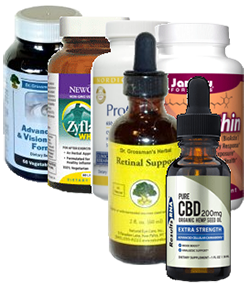 More and more research is pointing to inflammation as playing a role in a wide range of diseases. Alzheimer’s disease, heart disease, cancer, and arthritis, and even the visible signs of aging are all linked to chronic inflammation. Autoimmune disorders such as rheumatoid arthritis, multiple sclerosis, lupus, and Sjogren’s Syndrome can damage the eyes. Also, major eye diseases including Inflammatory (Uveitic) Glaucoma and Wet Macular Degeneration involve inflammation. Anti-inflammatory supplements can help tackle these conditions.
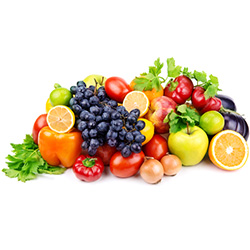 The links between antioxidants and vision health are strong. Antioxidants are the antidote to oxidization. Normal metabolism creates free radicals. These are atoms that lack an electron. Free radicals roam about the body, scavenging electrons and stealing electrons from healthy cells. This results in permanent damage to these afflicted cells which ultimately can result in disease. Significant research has shown that antioxidants protect against this cellular damage and are essential for maintaining health. The eye is especially vulnerable to free radical damage. Therefore, providing the body with sufficient antioxidants
  As we age, our chances of developing a serious vision problem increase significantly. More than half of people over the age of 70 years old have an eye condition such as cataracts, glaucoma, and macular degeneration; people with diabetes often develop diabetic retinopathy. These limiting conditions decrease the quality of life. Being a retired senior means having time to enjoy life, read, travel, play golf, enjoy hobbies, and socialize with friends and family. However, participating in these activities requires clear vision.
 Macular edema is a swelling of the macula, the part of the eye responsible for central vision. When fluid builds up in the macula, it becomes swollen and thicker. This distorts vision. There are several causes, including diabetic retinopathy, post-eye surgery complications, macular degeneration, injury, systemic inflammatory diseases that can affect the eye, and/or vein blockages. If an eye disease causes damage to blood vessels in the retina, it can cause macular edema. Left untreated, this problem can cause serious vision loss and even blindness.
 Several studies have indicated saffron’s power to protect the eye from the effects of Age-Related Macular Degeneration (ARMD). This precious yellow & red spice contains the carotenoids crocin and crocetin, antioxidants that appear to protect the retina. Visual acuity has been shown to be improved in Macular Degeneration patients who take a saffron supplement. These supplements may also increase blood flow to the retinal area, improve light sensitivity, and reduce photo-oxidative damage.
 Middle-aged people and seniors are far more likely to develop Macular Degeneration, glaucoma, cataracts and diabetic retinopathy than those in their youth. It is true that some eye diseases strike the young. These tend to be genetically-based diseases, and they are rare. The incidence of eye diseases in the United States goes up dramatically with age: