
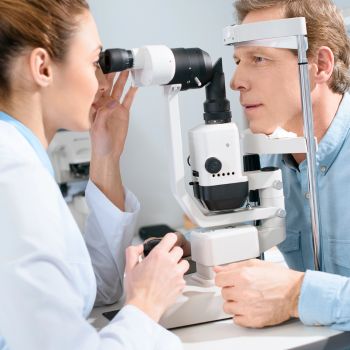
 The cornea plays a crucial role in our vision. It is the transparent tissue at the front of the eyeball where light enters the eye. Approximately 65% to 75% of the refraction of light occurs in the cornea. The cornea also protects against external threats and harmful UV radiation. However, this vital part of our eye is constantly under siege. The cornea faces oxidative stress daily due to its high exposure to light and intense metabolic activity. The main culprit is ultraviolet radiation from the sun, which triggers the formation of Reactive Oxygen Species (ROS). These harmful free radicals can wreak havoc on the cells if not kept in check by antioxidants. While the cornea absorbs all UVC and most UVB rays, UVA rays are primarily absorbed by the lens.
Continue reading “Corneal Health: Best Ways to Help Your Eyes”
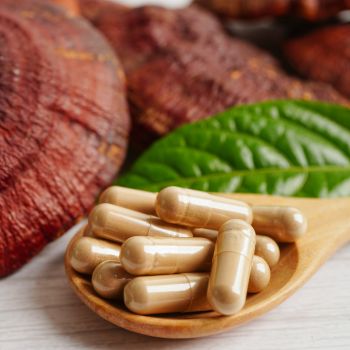 Edible mushrooms have a long history as both food and medicine. What are its health benefits? How can you safely enjoy mushrooms in food and as a supplement?
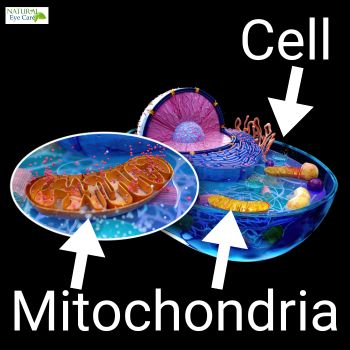 Keeping our cells healthy is key to staying well and helping to prevent disease. Your 30 trillion cells each contain mitochondria, the cell’s tiny “battery” and energy source. The main cause of death worldwide is non-communicable diseases such as heart disease, strokes, diabetes, cancer, chronic lung diseases, and brain diseases, including Alzheimer’s disease and dementia. Anything you do to keep your mitochondria healthy can mitigate these diseases, potentially extending life and increasing the quality of life. We have talked about how mitochondria work in some of our
  Did you know that your daily habits affect your eyes and brain? As our population ages, more effort is needed to support seniors’ eyes, brains, and overall health. Research shows that a balanced diet, regular exercise, meaningful social interactions, and targeted supplements can have a significant impact. Remember, your retina and optic nerves are essentially brain tissue, meaning the nutrients that nourish your brain also bolster your vision. Read on to discover some of the latest research in this field.
 What we eat earlier in life has a profound effect on long-term health and aging. Many studies confirm that eating a healthy diet and exercising regularly is essential to long-term health.
 Visual detox refers to purifying the eyes of debris, toxins, and the effects of bad visual habits. Debris build-up can affect vision health and contribute to the onset of eye disease. These diseases can include eye irritation, effects on lacrimation related to dry eyes, glaucoma, and macular degeneration (AMD). Focusing too much on close-up computer screens leads to computer eye strain symptoms and reduces the free flow of energy to the eyes. As the eyes’ health is directly connected to whole-body well-being, we must look at detoxification from a whole-body perspective.
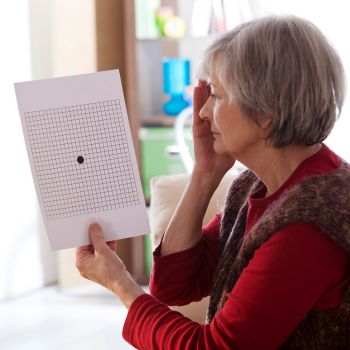 Macular degeneration is also known as AMD, which is an acronym for “Age-Related Macular Degeneration.” It is the leading cause of irreversible blindness. Limited conventional treatments are available. However, natural remedies can go a long way toward reducing the risk of AMD onset. They can help prevent AMD from progressing to the point of vision loss. And, in many cases, lifestyle considerations and targeted supplementation can improve vision loss from AMD.
 Not all foods play well together. Meat and Potatoes. Surf and Turf. Chicken with Rice. Sounds yummy, right? However, proponents of food-combining diets would not combine protein with carbs, and or mix different types of proteins. Food combining advocates believe that eating certain types of food in the same meal can lead to disease, toxin buildup, and digestive issues. They also believe that proper combinations can help relieve these problems.
 The human body contains approximately 36 trillion cells. Cells communicate with each other every millisecond of life to coordinate functioning and maximize health. The mind-body connection includes how you think, and how organs communicate back and forth with the brain.
 Senior citizens have the highest rates of eye issues and conditions. This includes macular degeneration, glaucoma, cataracts, diabetic retinopathy, dry eyes, poor night vision and eye floaters. These diseases and conditions can also happen in much younger people. You get most of your sensory input through vision. Healthy vision is essential for daily functioning, independence and high quality of life.