

Studies on mice at the Universitat Autònoma de Barcelona (UAB) may lead to an injection that cures Type II Diabetes. This metabolic disorder affects overweight and obese people, due to insulin resistance. The body needs more and more insulin to maintain steady blood sugar, and the pancreas cannot keep up. Diabetes can lead to eye disease in the form of diabetic retinopathy. The chances of developing floaters, cataracts, nerve damage, and glaucoma are higher. Diabetes also causes stroke, amputations, coma, and even death.
The researchers, led by Professor Fátima Bosch, introduced into the mice a gene that creates the FGF21 protein Continue reading “Gene Therapy Might Cure Type II Diabetes”
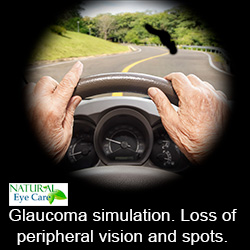 Glaucoma is a serious eye disease with many risk factors. Some risk factors are controllable; other risks are not. The main problems with glaucoma are late detection, permanent damage, and no cure. People who skip going to the eye doctor often notice no symptoms until glaucoma is well-established. Glaucoma is often referred to as the “silent thief.” Typically, are no eye symptoms until the person notices that peripheral vision is reduced. Glaucoma is not curable but with proper treatment often very manageable. Therefore, knowing your glaucoma risks and managing them can help prevent irreversible optic nerve damage.
 Managing hormones and vascular disease risk could help prevent eye diseases associated with aging. Impaired blood flow is suspected of contributing to several major eye diseases. Glaucoma, diabetic retinopathy, and Age-related Macular Degeneration (ARMD) are all associated with reduced blood flow to the eyes. These eye diseases mostly strike seniors. As we age, our vascular health suffers. The arteries tend to become narrower and even blocked. Therefore, seniors could see benefits to their eyes by improving their vascular health.
  Several nutrients and vitamins such as bilberry and taurine help protect the optic nerve from damage. Glaucoma causes optic nerve damage. Optic neuritis and optic nerve atrophy are serious conditions that harm the optic nerve. Since the optic nerve sends electrical signals from the eye to the brain, any interruption damages vision. How does the optic nerve work? Which diseases damage the optic nerve? What does the research show about how nutrients, foods, and vitamins protect the optic nerve? Taurine, gingko biloba, a fruit called bilberry, Vitamin C, and Vitamin B12 among others have demonstrated their usefulness.
  Whenever the sun is shining, drivers need to wear sunglasses. Glare from the sun is unsafe and can cause accidents. The eyes are vulnerable to damage from sunlight. Which types of sunglasses are best for driving? How do sunglasses protect the eyes?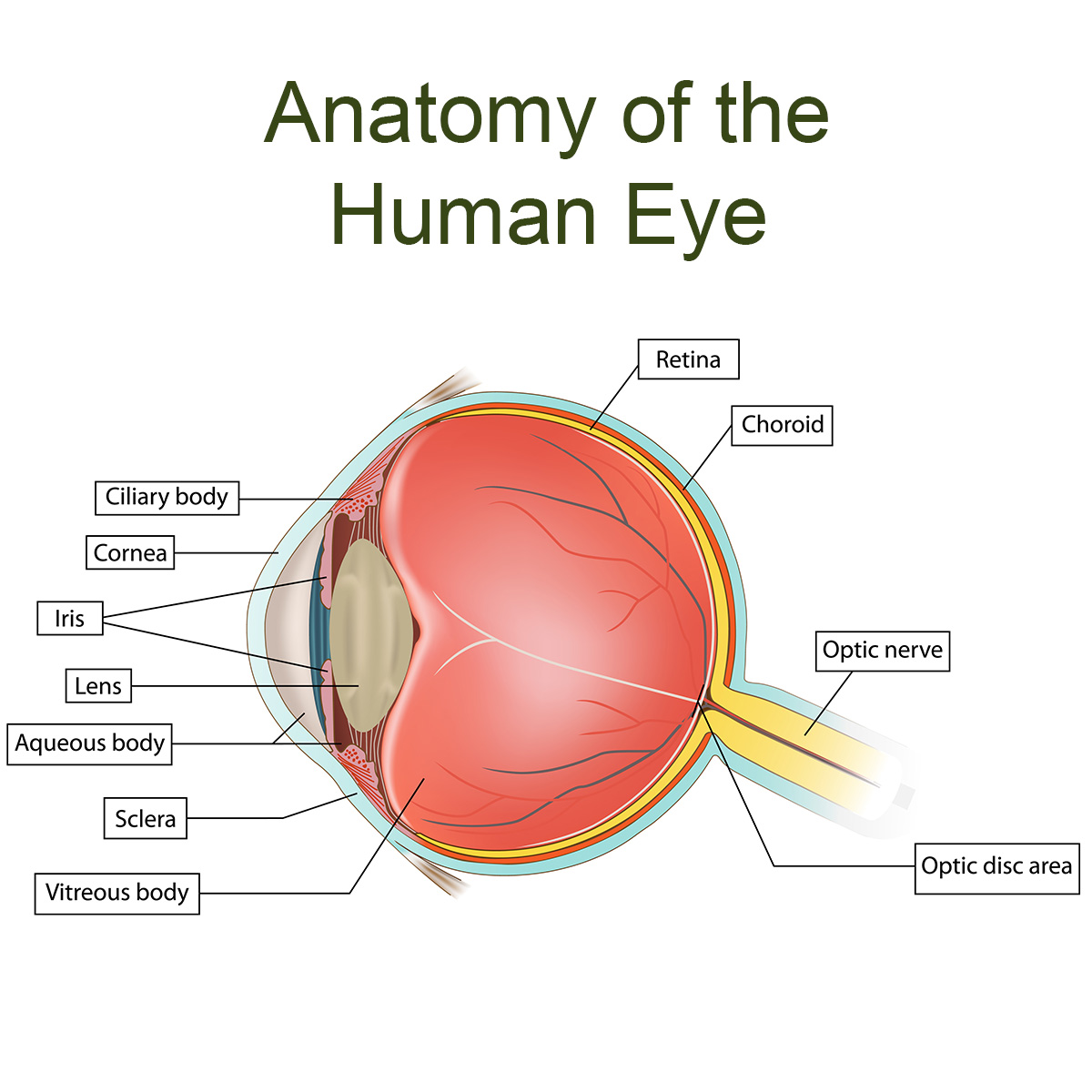
 The main indicator of age at first glance is facial wrinkles. Seniors who wish to maintain a youthful appearance are tempted to purchase wrinkle creams and supplements. Before buying, consumers should look at objective research. One supplement called astaxanthin has been shown in small studies to reduce wrinkling and enhance the skin. Astaxanthin is also excellent for the eyes. What is Astaxanthin made from? What are the benefits to the eyes and skin?
  Your doctor may have mentioned that gut health affects mood, cholesterol levels, immunity and cardiovascular health. Reducing sugar intake and increasing fiber is good advice. However, new research has found that a specific gut microorganism has a strong influence on gut health. Unfortunately, the champion bifidobacteria declines significantly with age. Scientists have found an antidote: a probiotic called xylooligosaccharides (XOS). Taking very small doses of XOS increased bifidobacteria populations in the gut.
  Astaxanthin is a superfood for the eyes, but our absorption rates are low. Only about half of the astaxanthin we ingest is usable by the body.[1. Mol Nutr Food Res. 2012 Sep;56(9):1385-97.] Astaxanthin is prized for easily crossing the blood/eye barrier and providing antioxidants to the eyes. These free radical fighters help prevent and support a wide variety of age-related eye diseases. A supplement company has added harmless emulsifiers called “phospholipids” to astaxanthin to increase absorption.