
 Oxidative stress happens everywhere in the body and can create havoc over time. Many eye and brain diseases are triggered or exacerbated by oxidative stress. The body counteracts this stress by producing antioxidants. However, you must also ingest additional antioxidants through healthy food, drinks, and supplements. Green tea, rich in antioxidants, offers protective benefits for eye health by combating oxidative damage.[1. Merin, S. (1991). Inherited cataracts. In Merin S. editor. Inherited Eye Diseases, (pp. 86-120), New York: Mercel Dekker.] At pennies per cup, this convenient and tasty beverage has been studied for its special antioxidant properties. What are the green tea benefits for seniors? Read on to find out. Continue reading “Green Tea Benefits for Seniors – Antioxidants for the Eyes, Brain, and Body”
Category: Nutrition
How Microplastic Pollution Can Damage Your Health
 When tiny plastic particles pollute the ecosystem, can they cause harm? If so, can you do anything? At Natural Eye Care, we have mined the research on the effects of microplastics and nanoplastics on human health. Read on to find out what they are, how they affect living organisms, and how to reduce your exposure.
What Are Microplastics?
Microplastics are pieces of plastic measuring less than 5 millimeters (0.2 inches) long. They are usually produced intentionally or generated when large synthetic polymer products, such as plastic packaging, are not properly disposed of or treated. Once formed, microplastics are often exposed to the environment, where they can decompose. Much of the exposure to microplastics starts with the dumping of these MNPs in the ocean, finding their way to fish, plankton, and the shore. Various human activities and products, such as washing, worn tires, city dust, road paint, ships, and cleaning products, have been reported as sources of microplastics. [1. IUCN. IUCN 2017: international union for conservation of nature annual report 2017. accessed on 2023 February 20. Available at: https://portals.iucn.org/library/node/47536] Continue reading “How Microplastic Pollution Can Damage Your Health”
Diabetic Retinopathy, Sugar Balance and Retinal Support
 Diabetic retinopathy is a leading cause of blindness among adults. Poor blood sugar balance can damage nerves, so nerve support is crucial for people with diabetes. Diabetic retinopathy is a serious eye condition stemming primarily from imbalances in blood sugar levels. When blood sugar is not properly managed, the body’s delicate nerve tissues, including the retina, can be injured.
At Natural Eye Care, we have examined the research on nutrients that help protect the eye, including the retina and blood flow to the eye. Research has identified oxidative stress and inflammation as key contributors to the onset and development of numerous eye conditions.[1.Levkovitch-Verbin, H. (2015). Retinal ganglion cell apoptotic pathway in glaucoma: Initiating and downstream mechanisms. Prog. Brain Res, 220:37–57.] [2.Kowluru, R.A., Mishra, M. (2015). Oxidative stress, mitochondrial damage and diabetic retinopathy. Biochem. Biophys. Acta. 1852:2474–2483.] [3.Dib, B., Lin, H., Maidana, D.E., Tian, B., Miller, J.B., et al. (2015). Mitochondrial DNA has a pro-inflammatory role in AMD. Biochem Biophys Acta, 1853:2897–2906.] These conditions include macular degeneration, glaucoma, cataracts, macular edema, and diabetic retinopathy. Without intervention, these eye diseases can result in a gradual decline in vision, potentially leading to blindness. Studies suggest that incorporating specific antioxidant and anti-inflammatory nutrients may be beneficial in preventing and managing these eye disorders.[4.Rhone, M., Basu, A. (2008). Phytochemicals and age-related eye diseases. Nutr Rev, 66:465–472.]
Continue reading “Diabetic Retinopathy, Sugar Balance and Retinal Support”
Eating Habits Can Impair Circulation, Increasing the Risk of Glaucoma, Retinal Vascular Occlusions, Dry Eyes, Macular Degeneration
 We might not connect our eating habits to eye disease, but poor nutrition impairs circulation. Reduced circulation can contribute to eye diseases, including cataracts, glaucoma, retinal vascular occlusions, ischemic optic neuropathy (ION), dry eyes, macular degeneration, and diabetic retinopathy. Instead of being a “victim” of eye diseases in your senior years, you can take charge of your health today!
At Natural Eye Care, we believe that the visual system uses approximately 25% of the nutrients we take into the body. Only the brain needs more. Therefore, a nutrient-rich diet helps keep your eyes healthy. Anything that impairs the free flow of blood, oxygen, and nutrients can significantly increase the risk of eye disease. Over time, you could experience vision loss, making you less independent in your senior years.
February: Macular Degeneration Awareness Month
 This month, we’re focusing on understanding macular degeneration and the importance of early detection. We will explore natural approaches to manage this eye disease and support healthy vision.
Macular Degeneration is a leading cause of vision loss, primarily affecting central vision, and can lead to blindness if not properly managed. The macula is a yellowish spot at the center of the retina, where vision is sharpest. While genetics can play a role, macular degeneration often appears in those over 50 due to essential nutrients not reaching the eyes, particularly the retina. Factors like a sedentary lifestyle, poor diet, reduced nutrient absorption, certain medication side-effects, and health issues such as poor circulation and chronic inflammation can contribute to this condition.
Continue reading “February: Macular Degeneration Awareness Month”
Oxidative Stress and Its Impact on Health and Vision
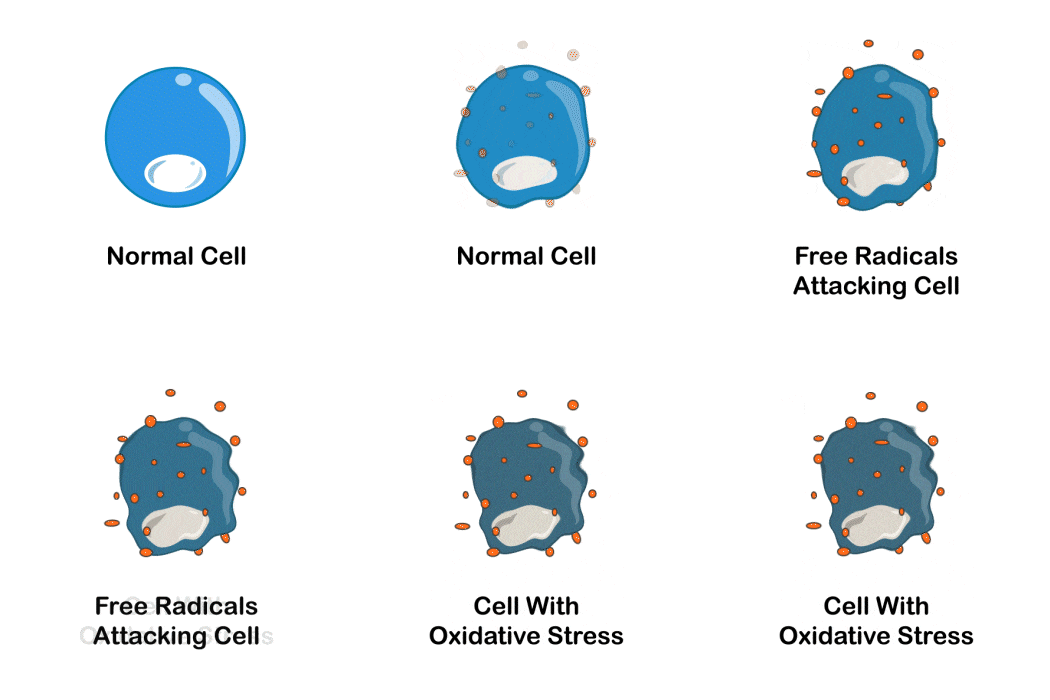 Oxidative stress significantly affects health and vision. It is a process in which free radicals are produced, leading to potential harm as these unstable molecules steal electrons from healthy cells. This oxidative damage can manifest visibly as aging skin and ocular changes, such as cataract formation. However, oxidation is not the only factor contributing to accelerated aging and eye conditions; poor circulation and insufficient essential nutrients also play important roles.
Ultraviolet (UV) rays are a major external factor that promotes oxidation. Continuous exposure to sunlight without protective eyewear can increase oxidative damage in the eyes over time. This exposure can harm retinal cells and may lead to various eye conditions, including macular degeneration. Therefore, protecting the eyes from UV rays is crucial for maintaining eye health.
Continue reading “Oxidative Stress and Its Impact on Health and Vision”
Regulate Intraocular Pressure Naturally: Fight Glaucoma
 Glaucoma is a severe eye disease linked to high intraocular pressure. How can you regulate eye pressure? If you have a glaucoma diagnosis, the eye doctor often prescribes eye drops to lower intraocular pressure (IOP). Is there anything additional that you can do to help keep your IOP lower?
Addressing glaucoma and the risk of glaucoma primarily involves maintaining normal intraocular pressure and nourishing the optic nerves. (If you have low-tension glaucoma, circulation to the eye is crucial.) In our previous article, we explored essential nutrients that support optic nerve health.
Continue reading “Regulate Intraocular Pressure Naturally: Fight Glaucoma”
Flu and Cold Season – Natural Ways to Stay Healthy
 Wintertime is when colds and flu are the most common. Why should we try to avoid these infectious diseases, and how? In addition to annual vaccines, what are some natural ways to stay healthy during cold and flu season? At Natural Eye Care, we see healthy eyes as part of a healthy body. This article references research that supports lifestyle, nutrition, botanicals, and supplements to fight colds and flu. Find out how to avoid getting sick, reduce the impact, and recover faster.
Each year, approximately 5 to 20 percent of Americans come down with the flu. Although most recover without incident, flu-related complications typically lead to at least 200,000 hospitalizations and between 12,000 and 60,000 deaths each year. People tend to recover from bacterial-related colds much more quickly than virus-related colds. Seniors and small children are especially susceptible.
Continue reading “Flu and Cold Season – Natural Ways to Stay Healthy”
Corneal Health: Best Ways to Help Your Eyes
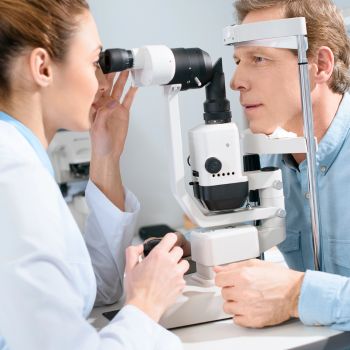 The cornea plays a crucial role in our vision. It is the transparent tissue at the front of the eyeball where light enters the eye. Approximately 65% to 75% of the refraction of light occurs in the cornea. The cornea also protects against external threats and harmful UV radiation. However, this vital part of our eye is constantly under siege. The cornea faces oxidative stress daily due to its high exposure to light and intense metabolic activity. The main culprit is ultraviolet radiation from the sun, which triggers the formation of Reactive Oxygen Species (ROS). These harmful free radicals can wreak havoc on the cells if not kept in check by antioxidants. While the cornea absorbs all UVC and most UVB rays, UVA rays are primarily absorbed by the lens.
Continue reading “Corneal Health: Best Ways to Help Your Eyes”
Edible Mushrooms: The Broad Range of Health Benefits
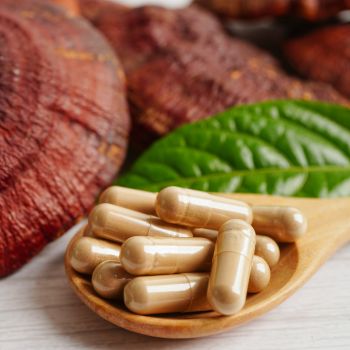 Edible mushrooms have a long history as both food and medicine. What are its health benefits? How can you safely enjoy mushrooms in food and as a supplement?
Studies have shown both in vitro and mammal studies to have potential roles in the prevention of many age-associated neurological diseases including Alzheimer’s Disease.[1.Rahman MA, Abdullah N, Aminudin N. (2016). Interpretation of mushroom as a common therapeutic agent for Alzheimer’s disease and cardiovascular diseases. Crit Rev Biotechnol. Dec;36(6):1131-1142.] Popular medicinal mushrooms include lion’s mane (Hericium erinaceus), reishi (Ganoderma lucidum), Sarcodon scabrosus, Antrodia camphorata, Pleurotus giganteus, maitake (Grifola frondosa), and many more. For example, Reishi mushrooms help reduce inflammation.[2.Phan CW, David P, Naidu M, Wong KH, Sabaratnam V. (2015). Therapeutic potential of culinary-medicinal mushrooms for the management of neurodegenerative diseases: diversity, metabolite, and mechanism. Crit Rev Biotechnol. 2015;35(3):355-68.]
Continue reading “Edible Mushrooms: The Broad Range of Health Benefits”